By: Leigh Ann Gardner (MSTP Senior Grants Manager)

September 5: Dr. Ildaura Murillo-Rohde, founder of the National Association of Hispanic Nurses, was born in Panama in 1920 to a family of physicians. After immigrating to the United States in 1945, she earned a nursing degree from the Medical and Surgical Hospital School of Nursing in San Antonio. In 1971, she received her PhD from New York University, the first Hispanic nurse to receive a PhD from that institution. Her early working experiences helped her to realize how much the awareness of cultural differences could impact mental health care, and she advocated for nurses to learn about cultural differences in order to provide better health care. In 1974, she was a pivotal leader in the movement to create a Hispanic nursing caucus within the American Nurses Association (ANA), to address the unique needs of Hispanic nurses. When the ANA refused to create a separate caucus, she led the movement to create what became the National Association of Hispanic Nurses and she served as its first president. Dr. Murillo-Rohde died on September 5, 2010 in Panama, and you can learn more about her life and career here and here.
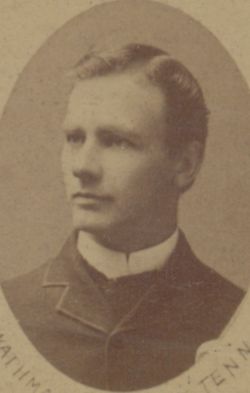
September 10: Dr. James Tayloe Gwathmey, first president of the American Association of Anesthetics and regarded as the “Father of Modern Anesthesia” was born on September 10, 1862, in Virginia. After his expulsion from the Virginia Military Institute in 1887, he spent two years traveling and performing with an acrobatic troupe and then spent a few years teaching acrobatics. In 1890, he moved to Nashville and eventually earned his medical degree from the Vanderbilt School of Medicine in 1899. While training at the New York Skin and Cancer Hospital, he began to focus on the administration of anesthesia as there were no medical specialists in that field at that time. Although intending to practice both dermatology and anesthesia after completing his training, his expertise in anesthesia led him to focus solely on that, becoming one of the first, full-time private practice anesthesiologists in the US. He was a founding member of the Long Island Society of Anesthetists in 1905, which became the American Society of Anesthesiologists, serving as the second president of that organization. In 1912, the American Association of Anesthetists was created, and Gwathmey served as the first president. In 1914, he wrote the first complete text on anesthesia in the United States. Gwathmey died in 1944 and you can learn more about his life here. You can access his 1914 book on anesthesia here or his 1887 book, Tumbling for Amateurs, here.
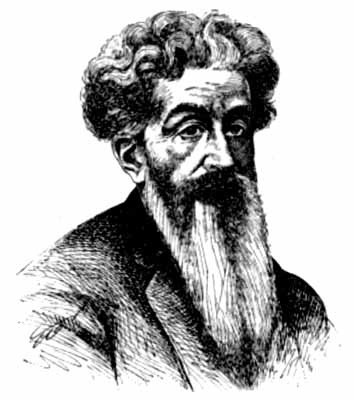
September 16: Rámon Emeterio Betances y Alacáan was a doctor, abolitionist, and leader of a Puerto Rican independence movement. Born in 1827 in Cabo Rojo, Puerto Rico, Betances was sent by his father to France at the age of 10 for his education. Following his primary education, Betances studied medicine in Paris, receiving his medical degree in 1855. In 1856, he returned to Puerto Rico, settling in Mayagüez, where he opened a hospital and helped fight a cholera epidemic that was devastating the area. He provided much free care to those in his community and was a proponent of free and universal health care. He is also considered as the father of academic medicine in Puerto Rico. In addition to his medical practice, he and others formed a secret society dedicated to the liberation of the enslaved, an activity for which the Spanish colonial government banished him from Puerto Rico on multiple occasions. In 1867, forced to flee to what is now the Dominican Republic, he founded the Revolutionary Committee of Puerto Rico. In 1868, he led an expedition to Puerto Rico in an unsuccessful attempt to overthrow the colonial government, known as Grito de Lares. Following this, he spent time in New York and Haiti, where he continued to work for Puerto Rican independence. He then moved to Paris, where he spent time in diplomatic activities. Betances died on September 16, 1898, and you can learn more about his life and work here and here.
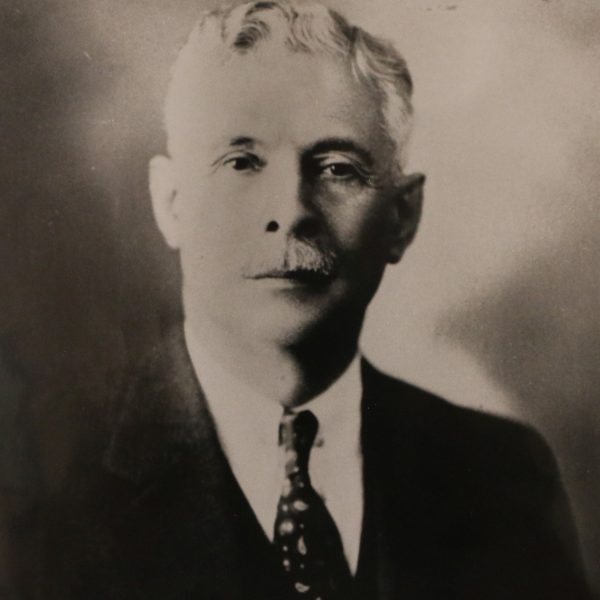
September 22: On September 22, 1950, the Puerto Rican Chapter of the American Cancer Society recognized Dr. Isaac González Martinez as Puerto Rico’s first oncologist. Born in 1871 in Utuado, Puerto Rico, González Martinez earned his teacher’s certificate from a normal school in Mayagüez, which he used initially to teach mathematics and history. In 1890, he went to Spain to study medicine, where he earned degrees from the School of Medicine of Barcelona and Complutense University of Madrid. In 1900, he returned to Puerto Rico where he practiced medicine and served as the head of sanitation for the city of Mayagüez. His early career focused on parasitology and zoonotic diseases, such as the bubonic plague, and in 1912 he detected an outbreak of that disease in Puerto Rico, where he brought the epidemic under control within 90 days. After establishing the School of Tropical Medicine and Anales de Medicina de Puerto Rico, a scientific journal, he went to France to study radiology at the Curie Institute. After graduating from there, his focus was on trying to expand knowledge on how x-rays could be used in cancer treatment. In 1938, he founded the Puerto Rican League Against Cancer. He is credited with creating the concept of comprehensive care for cancer patients through offering specialized services for cancer treatment in one facility. He died in 1954, and you can learn more about his life here.
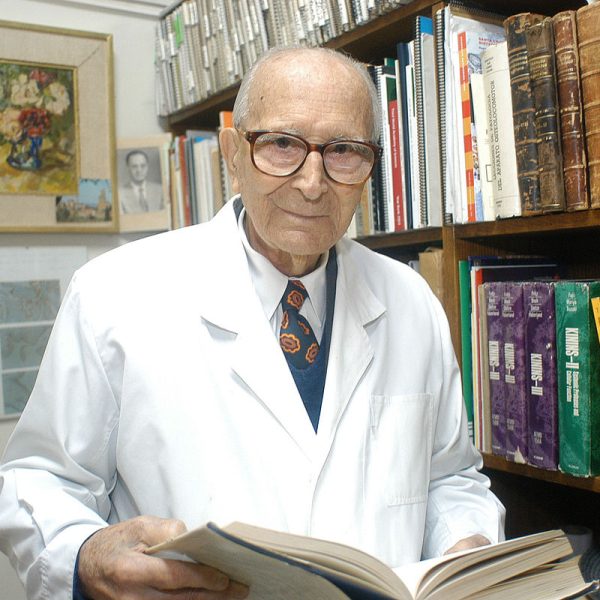
September 28: Chilean physiologist Héctor Croxatto Rezzio, 1979 winner of the Chilean National Prize for Sciences, died on September 28, 2010. Born in 1908 in Chile, he attended the University of Chile in Santiago, where he received a medical degree in 1930. His research focused primarily on the role of certain peptides in the pathogenesis of arterial hypertension. Appointed as a professor at the Pontifical Catholic University of Chile in 1934, where he remained many years. In addition to his research, he was noted for his mentorship of hundreds of doctors and biologists. He was a cofounder of the Latin American Academy of the Sciences and Third World Academy of Sciences. He was the founder of the Chilean Society of Hypertension, and he painted in his spare time. You can learn more about his life here.
Note: Hispanic Heritage Month is September 15 – October 15, and posts during that period will focus on the achievements of Hispanic scientists and doctors.