By Leigh Ann Gardner (MSTP Sr. Grants Manager)
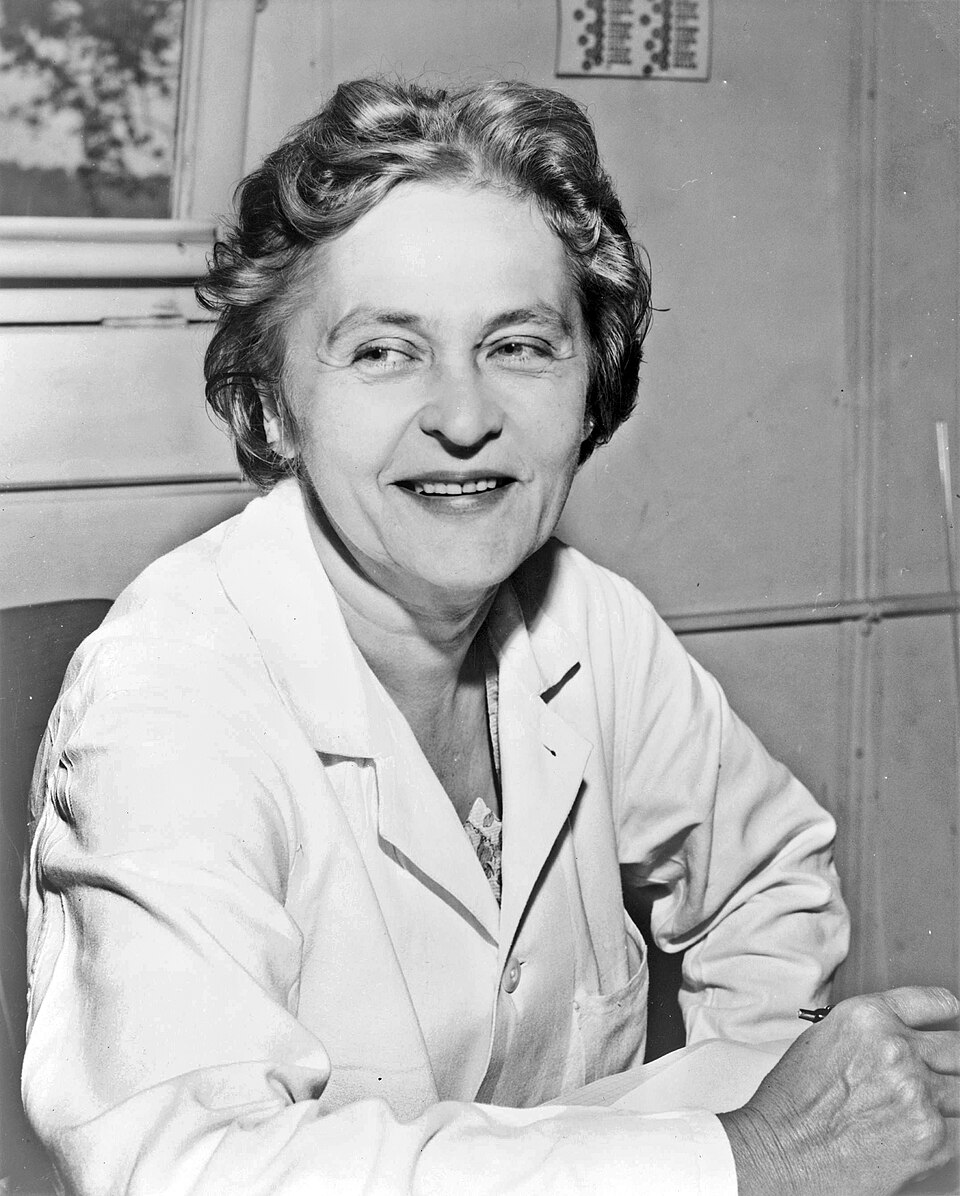 December 2: Chemist and biophysicist Maria Telkes, known for her research and inventions involving solar power, died on December 2, 1995. Born in Budapest in 1900, she developed an interest in chemistry at an early age, having a chemistry set by age 10. She received her undergraduate degree in physical chemistry from the University of Budapest, and her PhD in physical chemistry from the University of Budapest in 1924. After initially taking a position at the University of Geneva, she decided to immigrate to the United States in 1924, where she was hired by the Cleveland Clinic. In 1937, she gained her American citizenship and also took a job at Westinghouse Electric, where she developed instruments that converted heat into electrical energy. In 1939, she began researching solar energy with the Solar Energy Conversion Project at MIT, where she developed sunlight-powered thermoelectric devices. During World War II, she was assigned to the US Office of Scientific Research and Development, where she invented a solar distiller capable of vaporizing seawater and converting it to drinkable water. Later in her career, she invented the first residential solar-powered heating system, solar stoves, and made other contributions to solar-heated building technology. You can learn more about her life and inventions here and here.
 December 9: Pioneering bacteriologist, Frederick S. Novy, was born on December 9, 1864, in Chicago, Illinois, to Czech immigrants. He was interested in science from a young age and entered the University of Michigan as a young man to study chemistry. After receiving his B.S. in 1886, he began graduate work at the same institution, receiving a Sc.D. in 1890. He also studied medicine there, receiving his MD in 1891. He was hired at the University of Michigan by Victor Vaughan, an early physician scientist, to work as an assistant in his hygiene lab, where they studied the bacteria in water, milk, and other substances. In 1888, he traveled to Germany to study with Robert Koch, considered the father of medical bacteriology and an advocate of germ theory. Upon his return to Michigan, Novy began to research bacteria, not in order to cure disease, but to gain a scientific understanding of bacteria. He started the first bacteriology course at the University of Michigan in 1890. In 1897, he studied bacteria at the Pasteur Institute in France. His national reputation grew, and in 1901, he was asked to study an outbreak of the plague in San Francisco. He served as a president of the Society of American Bacteriologists, the American Society for Experimental Pathology, and the American Association of Immunologists. Novy died in 1957, and you can learn more about his life here and here.
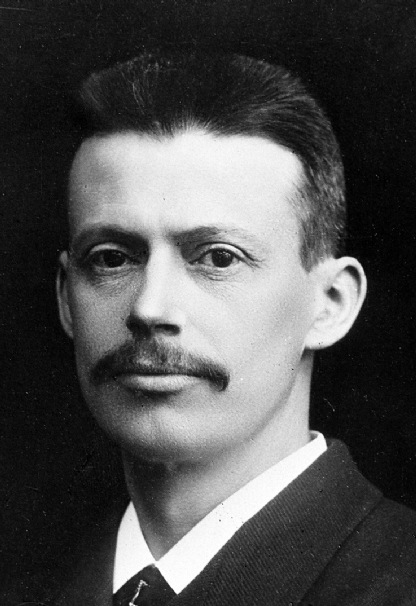 December 15: Niels Ryberg Finsen, winner of the 1903 Nobel Prize in Medicine and Physiology for his work on the benefits of phototherapy on skin diseases, was born on December 15, 1860, on the Faroe Islands. He attended the University of Copenhagen to study medicine and received his degree in 1890. He worked in clinical practice until 1893, when he began focusing on his research on the benefits of light on living organisms after noticing his own health, which suffered from a rare metabolic disease, seemed to improve after exposure to light. In 1896, he founded the Finsen Institute, which focused on the benefits of light therapy on medical conditions. In his research, he discovered that UV and red light could have therapeutic benefits for skin infections, particularly those caused by Mycobacterium tuberculosis. Although the type of phototherapy he revolutionized has largely been replaced with radiation and drug therapies, his own work is credited with encouraging research into radiation therapy. In 1903, he was awarded the Nobel Prize for his research on light therapy, and he was the first Scandinavian to win the prize. Finsen died in 1904, and you can learn more about his life here and here.
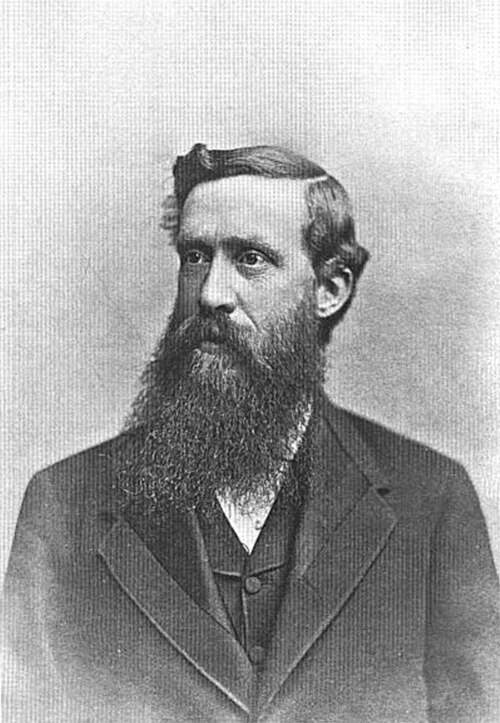 December 25: Elliott Coues, a surgeon, author, and noted ornithologist responsible for furthering the study and classification of North American birds, died on December 25, 1899. Born in New Hampshire in 1842, he received his undergraduate and medical degrees from Columbian University in Washington, DC. In 1864, he was appointed surgeon in the Union Army and remained an Army physician until 1881. While stationed in the Southwest, he continued his life-long love of ornithology and began identifying several species. Some of the previously unknown species he identified included the White Throated Swift and the Southwestern House Finch. In 1872, he published the first edition of his work, Key to North American Birds, and in 1883, he became a co-founder of the American Ornithologists Union. He resigned from the Army in 1881 to devote himself to his research, and other published works included Birds of the North-West, Fur-Bearing Animals, and Birds of the Colorado Valley. You can learn more about Coeus here and here. You can read his Key to North American Birds here.
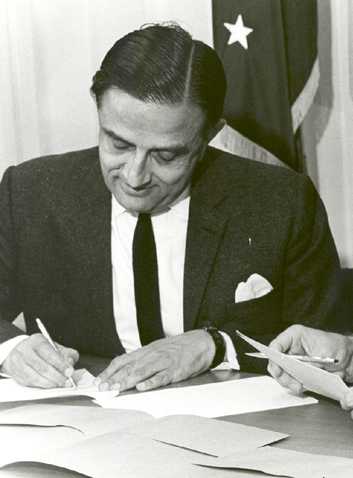 December 30: Vikram Sarabhai, Indian physicist that developed nuclear power in India and father of the Indian space program, died on December 30, 1971. Born in India in 1919, he attended Gujarat College before going to the University of Cambridge. During World War II, he returned to India, where he researched cosmic rays at the Indian Institute of Science, Bangalore. In 1945, he returned to Cambridge and received his PhD in 1947. In that year, he established the Physical Research Laboratory in Ahmedabad. While remaining interested in research, Sarabhai was also interested in industry and development. In 1962, he established the Indian National Committee for Space Research, and the Thumba Equatorial Rocket Launching Station in southern India. In 1966, he was appointed chair of the Atomic Energy Commission of India, where he was responsible for establishing and developing nuclear power plants. Sarabhai died in 1971, and you can learn more about his myriad of achievements here and here.