Discoveries
-
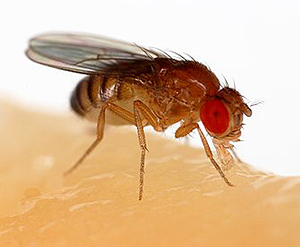
Dynamics of Basement Membrane Repair
Dynamics of Basement Membrane Repair The basement membrane (BM) is an ancient, highly conserved structure that lies under the basal surface of epithelial cells and wraps around organs such as muscles and nerves. It provides mechanical stiffness and modulates cellular communication by interacting with signaling molecules. Although much… Read MoreJuly 10, 2018
-
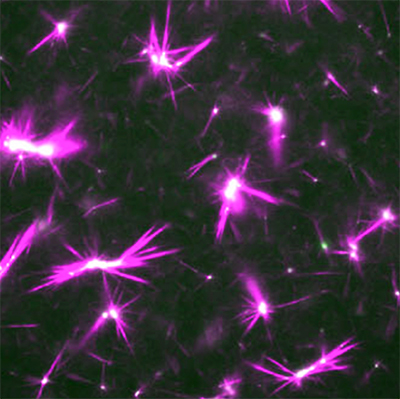
Organizing Microtubule Asters
Organizing Microtubule Asters Microtubules (MTs) are a critical component of the cytoskeleton, playing a role in a range of processes from cell polarization to division. MTs are polymers of αβ-tubulin that grow and shrink from a rapidly changing plus-end and a more slowly changing minus-end to form two… Read MoreJuly 10, 2018
-
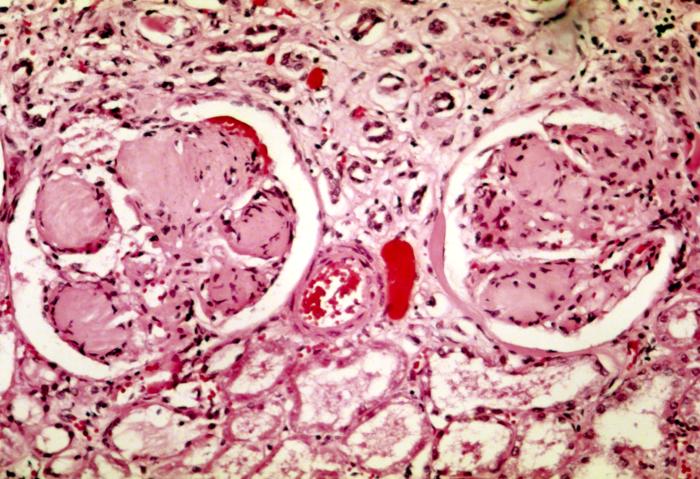
Albumin Degradation in the Diabetic Kidney
Albumin Degradation in the Diabetic Kidney A major long-term complication of diabetes is kidney damage that leads to diabetic nephropathy (DN), a condition associated with considerable morbidity and mortality among diabetic patients. An early sign of DN is the appearance of protein, primarily albumin, in the urine. Indeed, clinicians… Read MoreMay 29, 2018
-
Targeting Mood Disorders in Alcohol Withdrawal
Targeting Mood Disorders in Alcohol Withdrawal Mood disorders such as anxiety and depression are strongly associated with alcohol use disorder and can be exacerbated during alcohol withdrawal. In fact, the increase in anxiety and depression associated with withdrawal contributes to the likelihood of relapse and return to alcohol abuse. Read MoreMay 29, 2018
-
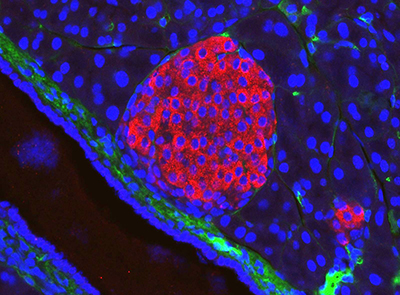
Exploring Maturation of Pancreatic β-cells
Exploring Maturation of Pancreatic β-cells The β-cells of the pancreatic Islets of Langerhans play a major role in glucose homeostasis through their production of insulin, and they change in their ability to release insulin in response to glucose during development. Fetal and neonatal β-cells secrete more insulin basally and… Read MoreApril 18, 2018
-
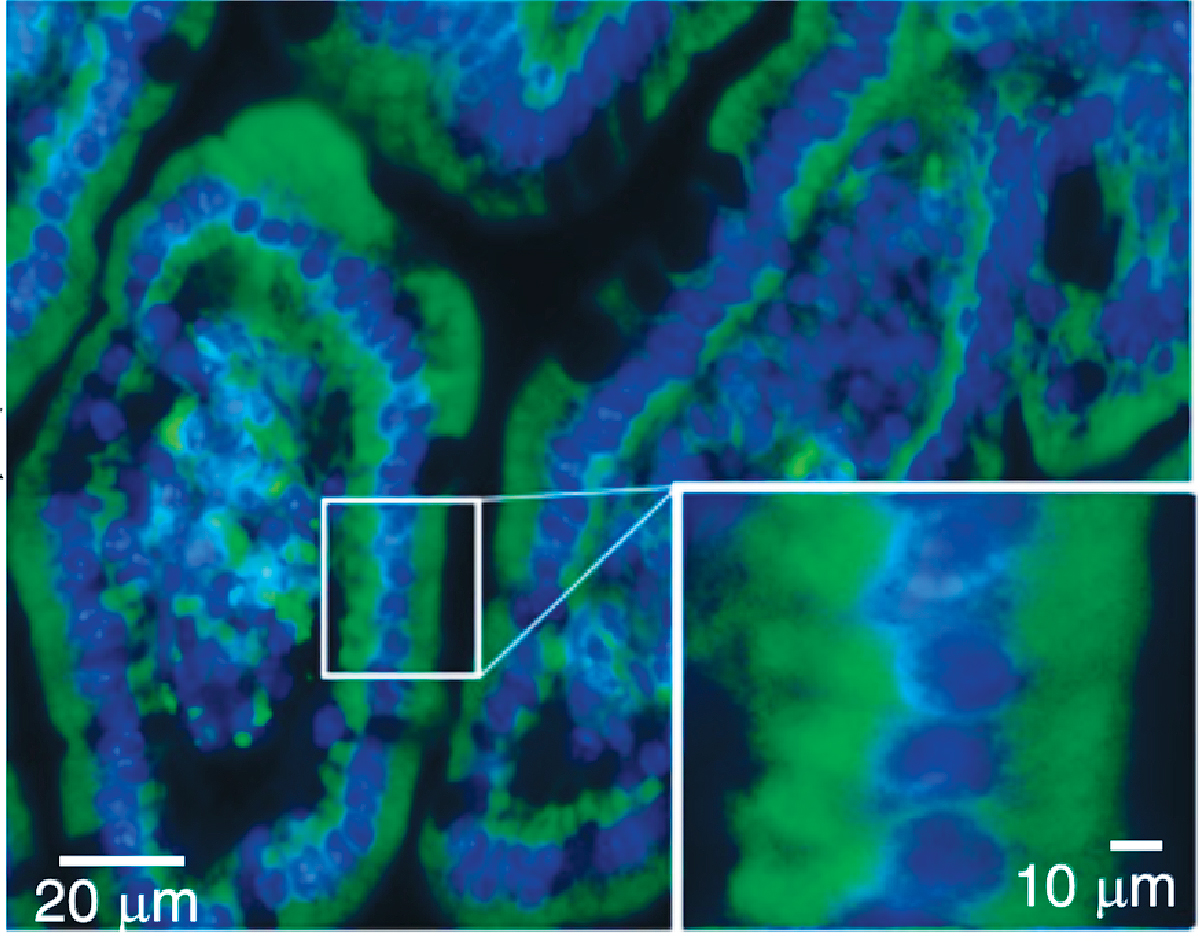
Sulfate-Iron Link to Anemia
Sulfate-Iron Link to Anemia Sulfation (the addition of a sulfate group to a molecule) is an important biochemical process that aids in the detoxification of xenobiotic compounds and plays a role in the biosynthesis of a variety of molecules. In mammalian cells, sulfation requires PAPS (3´-phosphoadenosine 5´-phosphosulfate), which donates… Read MoreMarch 27, 2018
-
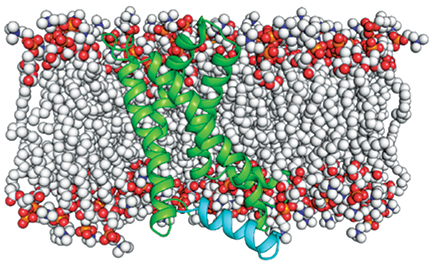
Explaining Cardiac Arrhythmia
Explaining Cardiac Arrhythmia The KCNQ1 potassium channel, in complex with the KCNE1 regulatory protein, is responsible for a delayed outward flow of potassium ions during the repolarization phase of the cardiac myocyte action potential. Mutations that result in loss of function (LOF) of KCNQ1 are associated with type 1… Read MoreMarch 8, 2018
-
Cholesterol’s Role in the Response to Graphene
Cholesterol’s Role in the Response to Graphene Due to its interesting array of physical and chemical properties, graphene is the focus of exciting new applications in biomedical research, drug delivery, neuroprosthetics, and tissue engineering. However, little is known about how graphene interacts with cells or its potential toxicity. Prior… Read MoreMarch 7, 2018
-
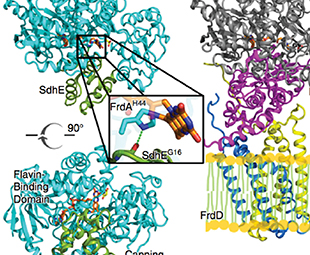
Path to Flavinylation
Flavin-containing cofactors play an important role in many enzymatic biochemical reactions that involve electron and/or group transfer. In some, but not all flavin-containing enzymes, the cofactor is covalently bound. This is not a trivial distinction, because covalent binding alters the redox potential of the flavin, a change frequently required… Read MoreFebruary 26, 2018
-
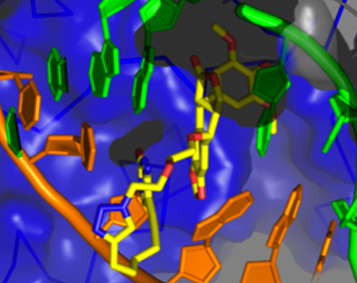
Targeting Topoisomerase II Inhibitors
Targeting Topoisomerase II Inhibitors Topoisomerases are critical enzymes during DNA replication and transcription, as they are responsible for untangling the knots and twists that can form as DNA is unwound and rewound during these processes. Type II topoisomerases accomplish this task by making a temporary double stranded break… Read MoreFebruary 26, 2018