Featured
-
CISR Life Is Beautiful Image Contest returns to showcase spectacular scientific imagery
The Cell Imaging Shared Resource is hosting its second annual Life Is Beautiful Image Contest and will award cash prizes to winning images. The contest features stunning scientific imagery of life at the microscopic level and is open to anyone who has captured an image using a CISR microscope. Read MoreMay 13, 2025
-
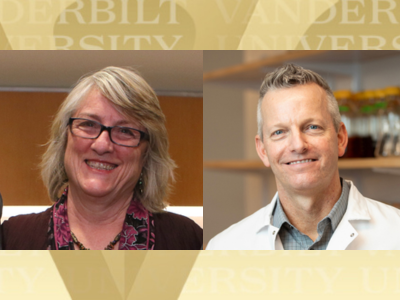
Heidi Hamm, Eric Skaar elected members of the National Academy of Sciences
Heidi Hamm,, the Aileen M. Lange and Annie Mary Lyle Professor of Cardiovascular Research and former chair of the Department of Pharmacology, and Eric Skaar, the Ernest W. Goodpasture Professor of Pathology and director of the Vanderbilt Institute for Infection, Immunology and Inflammation have been elected members of the National Academy of Sciences in recognition of their “distinguished and continuing achievements in original research.” Read MoreMay 12, 2025
-
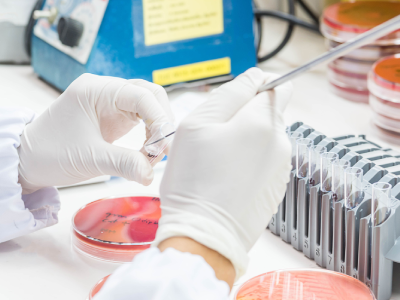
Winning the War on Bacteria
Crucial research by Neil Osheroff and his lab leads to approval of the first new class of antibacterial drugs in decades. Read MoreApril 28, 2025
-

CLASS OF 2025: Logan Northcutt is driven to fight cancer and support future scientists
“Logan is a role model for scientists at all levels,” said Julie Rhoades, professor of medicine and associate professor of biomedical engineering. “His positivity, patience and passion for mentoring and science is exceptional. He was willing to step out of his science comfort zone and tackle challenging projects, and he is also one of the nicest people I have ever met. We miss his presence in the lab.” Read MoreApril 28, 2025
-

From AI to isotopes: Symposium brings together ORNL, Vanderbilt scientists
The meeting on March 6 convened researchers from the Vanderbilt School of Medicine Basic Sciences focused on pharmacology, molecular physiology, and protein dynamics and biochemistry, alongside ORNL scientists engaged in exascale artificial intelligence, microbial science, molecular biophysics, neutron science, advanced mass spectrometry, and medical isotopes research and development. Read MoreApril 28, 2025
-
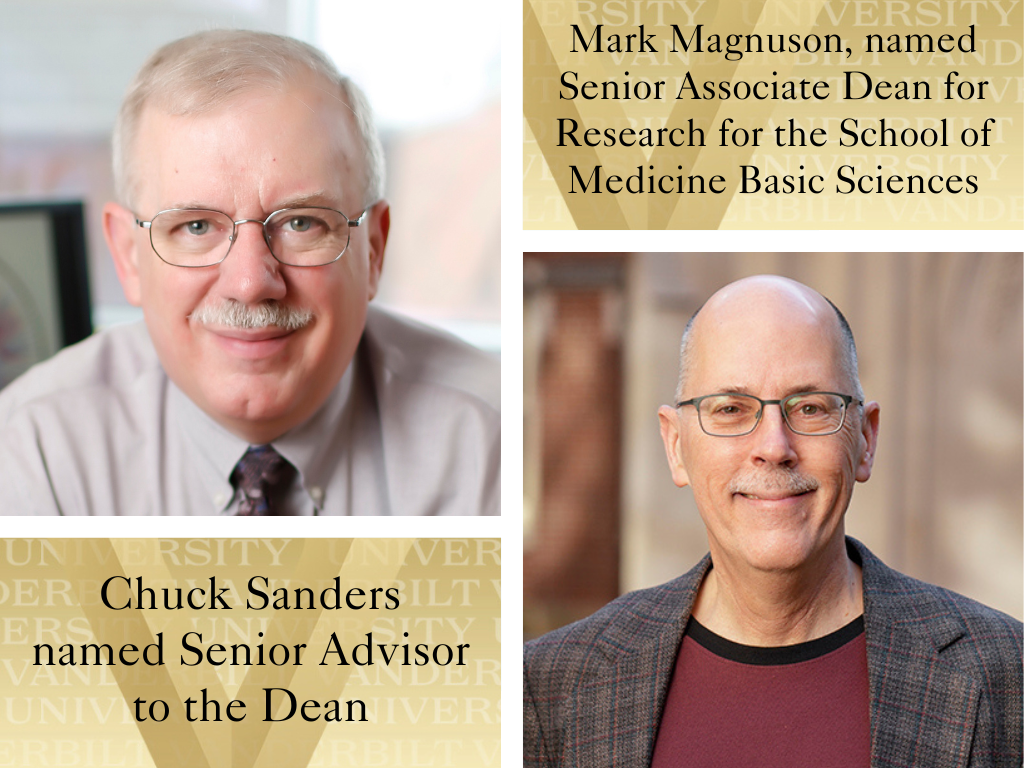
Magnuson named senior associate dean for research as Sanders steps into new advisory role
Mark Magnuson, Louise B. McGavock Professor and professor of molecular physiology and biophysics, has been named senior associate dean for research for the School of Medicine Basic Sciences. He succeeds Chuck Sanders, who will transition from vice dean to a new role as senior advisor to the dean, effective July… Read MoreApril 11, 2025
-
Provost launches Discovery Bridge Funding Program
Over the past few months, the federal research funding landscape has begun to shift. As a response to some of the transitions taking place, Vanderbilt University is launching the Provost Discovery Bridge Funding Program. This program will provide short-term financial support ranging from three to six months to faculty researchers affected by changes in federal policy. Read MoreApril 10, 2025
-
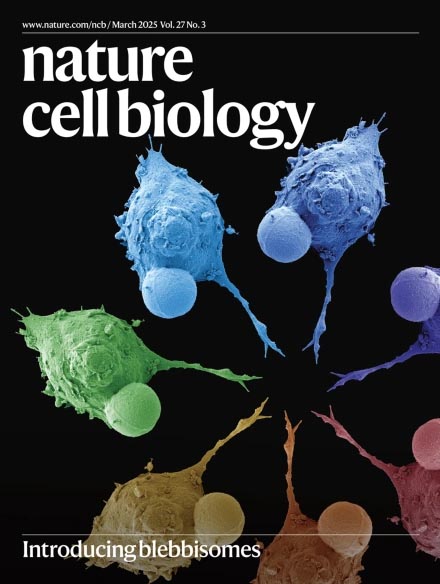
Exploring a New Frontier in Cell Communication: A Q&A with the Burnette Lab on Blebbisomes
Since its February 2025 publication in Nature Cell Biology, a groundbreaking study from the Burnette Lab has drawn more than 44,000 Article Accesses—amplified by Vanderbilt’s new open access agreement with Springer Nature. The study reveals the existence of blebbisomes, massive, motile extracellular vesicles that behave almost like mini cells. Packed with organelles and capable of delivering immune-modulating proteins, blebbisomes may one day serve as therapeutic couriers or targets in cancer treatment. Read MoreApril 7, 2025
-
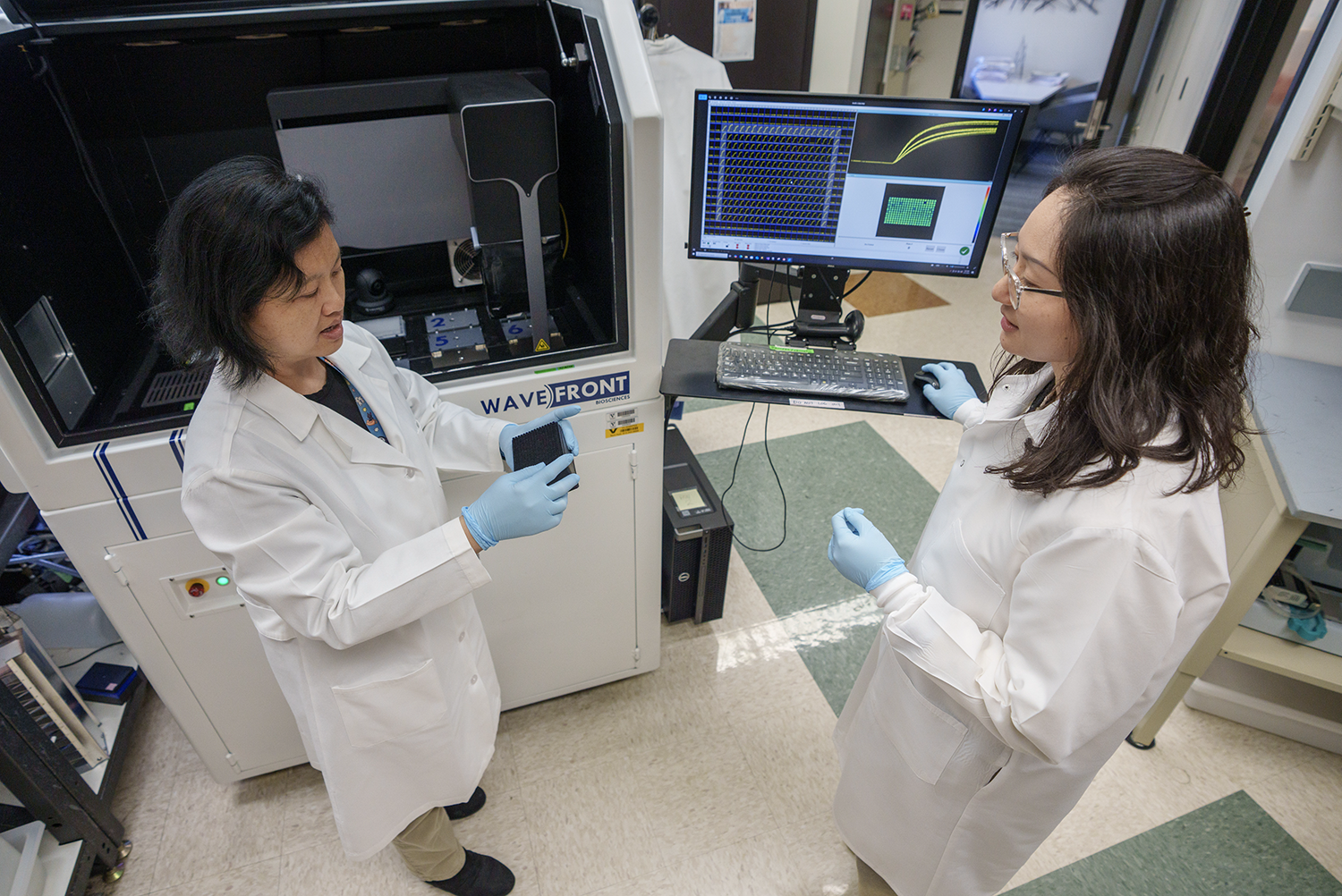
Getting bang for your buck
Ever wonder what about the ROI on biomedical research looks like? At the Vanderbilt University School of Medicine Basic Sciences, scientists are delivering answers—by driving discoveries that are already improving human health and paving the way for tomorrow’s treatments. From tackling cancer and Alzheimer’s to pioneering antibiotic resistance solutions, we are shaping the future of medicine. This roundup highlights some of the year’s most exciting advances—showing the extraordinary value of sustained support for biomedical science. Read MoreApril 2, 2025
-
School of Medicine Basic Science’s Monteggia and Tyska named fellows by the American Association for the Advancement of Science
Lisa M. Monteggia and Matthew J. Tyska are among the 471 scientists elected as 2024 fellows of the American Association for the Advancement of Science. Dean John Kuriyan was also recently elected a member of the 2025 class of fellows of the American Association for Cancer Research academy. Read MoreMarch 27, 2025