Uncategorized
-
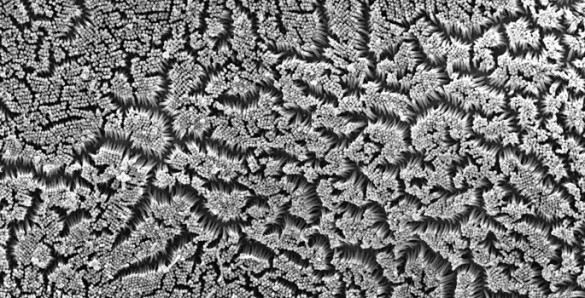
Motoring to the tips of the brush border
The epithelial cells that line organs like the intestines and kidneys build a special surface called the “brush border,” which consists of a dense array of finger-like microvilli. Matthew Tyska, Ph.D., and colleagues are exploring the molecular machinery that builds the border, which is critical for healthy organ function. Read MoreOctober 18, 2016
-
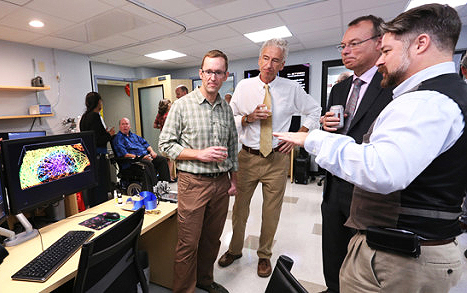
Nikon Center of Excellence for live-cell imaging makes debut
Officials of Vanderbilt University, Vanderbilt University Medical Center (VUMC) and Nikon Instruments Inc. celebrated the opening of the Vanderbilt Nikon Center of Excellence, which features state-of-the-art microscopy for live-cell imaging. Read MoreOctober 13, 2016
-
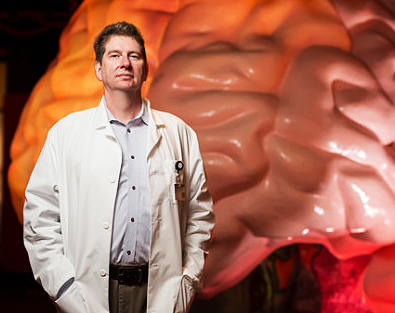
David Sweatt studies how brain chemistry affects learning and memory
Homecoming came early this year for Vanderbilt alumnus David Sweatt, who joined the faculty as chair of Pharmacology this summer, 30 years after receiving his Ph.D. from the department he now leads. Read MoreOctober 13, 2016
-
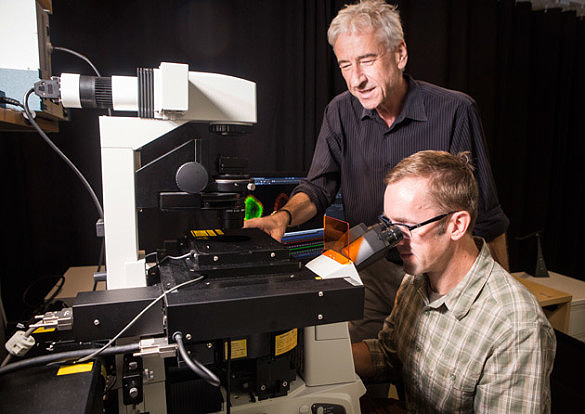
Basic Science, Extraordinary Impact
The discoveries that can change the course of human health forever often begin in the tiniest places: in molecules and cells, at the most fundamental intersection of physics, chemistry and biology. What makes a gene misfire? How do nerves talk to each other? What makes a cell resist one chemical… Read MoreOctober 7, 2016
-
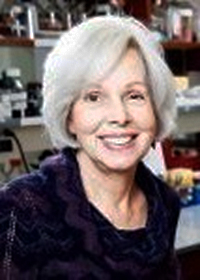
2016 Middleton Award recipient! Dr. Richmond
Ann Richmond, Ph.D. is one of two recipients of the 2016 William S. Middleton Award. This award is the Veterans Health Administration Biomedical Laboratory Research & Development's highest honor for outstanding achievement in biomedical research. The award recognizes Dr. Richmond’s exemplary record of involvement in, and… Read MoreSeptember 30, 2016
-
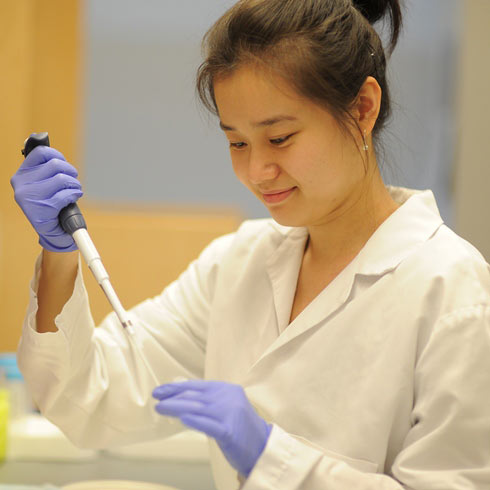
Researchers eye potential schizophrenia ‘switch’
Researchers at Vanderbilt University Medical Center have discovered a key mechanism that explains how compounds they’re developing can suppress schizophrenia-like symptoms in mice without side effects. On the basis of this discovery, reported this month in the journal Neuron, “we now have much stronger understanding of the therapeutic potential… Read MoreSeptember 22, 2016
-

Study reveals new clues to cystic fibrosis ‘gender gap’
A research team led by structural biologists from Vanderbilt University has come up with the first detailed molecular explanation for a factor that may contribute to the so-called cystic fibrosis (CF) “gender gap.” There is evidence that women with CF die on average two to three years earlier… Read MoreSeptember 22, 2016
-
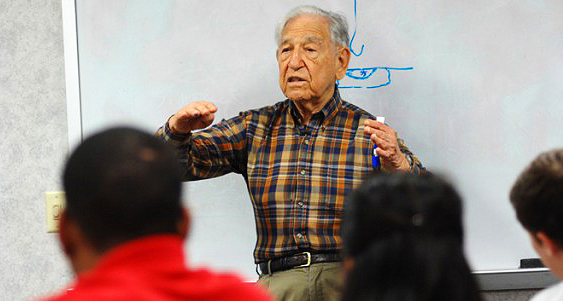
New fund honors spirit of Cohen’s innovative research
When Tom Daniel, M.D., joined the Vanderbilt University faculty in December 1986, Stanley Cohen, Ph.D., had just been awarded the Nobel Prize in Physiology or Medicine for his discovery of epidermal growth factor (EGF). “Stanley was part of the reason I came to Vanderbilt,” said Daniel, who recently retired as… Read MoreAugust 25, 2016
-

Program helps Ph.D. students find non-academic careers
In 2013, Vanderbilt University School of Medicine (VUSM) received one of 10 grants from the National Institutes of Health called BEST (Broadening Experiences in Scientific Training) to help train scientists for a variety of diverse careers. The program grew from a workforce study indicating that 80 percent of people with biomedical… Read MoreAugust 18, 2016
-
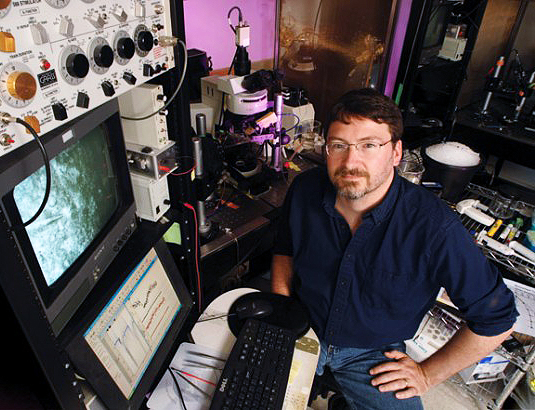
New center will examine addiction at molecular level, develop treatments
Vanderbilt University researchers from diverse scientific disciplines are joining forces to help crack the stubborn mysteries of addiction. Through the new Vanderbilt Center for Addiction Research (VCAR), their goal is to define the molecular events that drive addictive behavior and, ultimately, to develop new treatments that can help people sustain long-term recovery. “Addiction… Read MoreAugust 17, 2016