Neuroscience
-
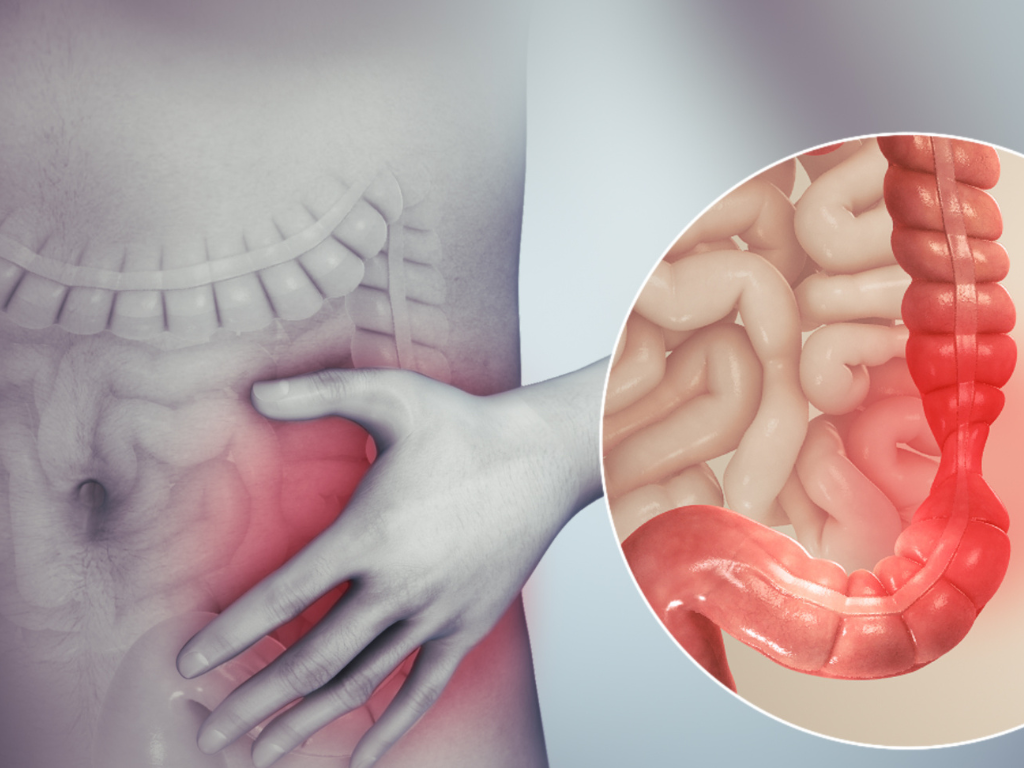
Researchers uncover critical genetic drivers of the gut’s “nervous system” development, offering insights into gut motility disorders
Vanderbilt scientists shed light on how the enteric nervous system—sometimes called the "brain" of the gut—forms and functions, offering insights that may advance treatments for gut motility disorders like irritable bowel syndrome and chronic constipation. Read MoreAugust 19, 2025
-

School of Medicine Basic Sciences Staff Spotlight: Rosalind Johnson
Meet Rosalind “Roz” Johnson, a graduate education program manager who is in charge of the day-to-day activities of the Human Genetics and Neuroscience graduate programs. Read MoreJuly 30, 2025
-

New Warren Center TREK channel compounds reveal power of academic-industry partnerships in drug discovery
What makes these results exceptional isn’t just the compounds themselves, it’s what they represent: the value of translational research grounded in real-world therapeutic goals. The partners chose to release these best-in-class tool compounds to the scientific community to accelerate further discovery. Read MoreJune 16, 2025
-

New ketamine study promises extended relief for depression
Major depression is one of the most common mental disorders in the U.S. Approximately 7% (17.3 million) of American adults had at least one major depressive episode in 2017. Roughly 10 percent of the U.S. population is afflicted with major depressive disorder at any… Read MoreJune 13, 2025
-

New Warren Center TREK channel compounds reveal power of academic-industry partnerships in drug discovery
What makes these results exceptional isn’t just the compounds themselves, it’s what they represent: the value of translational research grounded in real-world therapeutic goals. The partners chose to release these best-in-class tool compounds to the scientific community to accelerate further discovery. Read MoreJune 5, 2025
-

Craig Lindsley on Quantum Potential: Rewiring the Brain and Rethinking Pain
In this episode of Quantum Potential, Craig Lindsley, William K. Warren, Jr. Professor of Medicine, University Distinguished Professor of Biochemistry, Chemistry and Pharmacology and executive director of the Warren Center for Neuroscience Drug Discovery, joins Provost C. Cybele Raver to discuss transformative research exploring how subtle tweaks to brain chemistry could change the way we treat neurodegenerative diseases and chronic pain. Lindsley shares how academic-industry collaborations drive innovation in drug discovery and highlights how Vanderbilt’s scientific workflow is enabling the broader research community to build on its breakthroughs. Read MoreMay 29, 2025
-
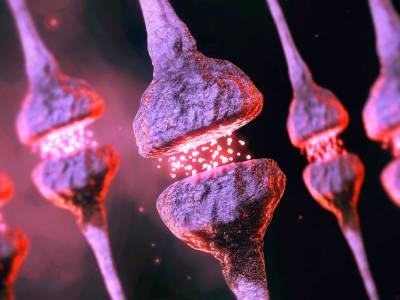
New ketamine study promises extended relief for depression
For the nearly 30 percent of major depressive disorder patients who are resistant to treatment, ketamine provides some amount of normalcy, but it requires frequent treatment and can have side effects. Vanderbilt researchers now show in proof-of-concept experiments that it may be possible to extend ketamine’s antidepressant effect from about a week to up to two months. Read MoreMay 22, 2025
-
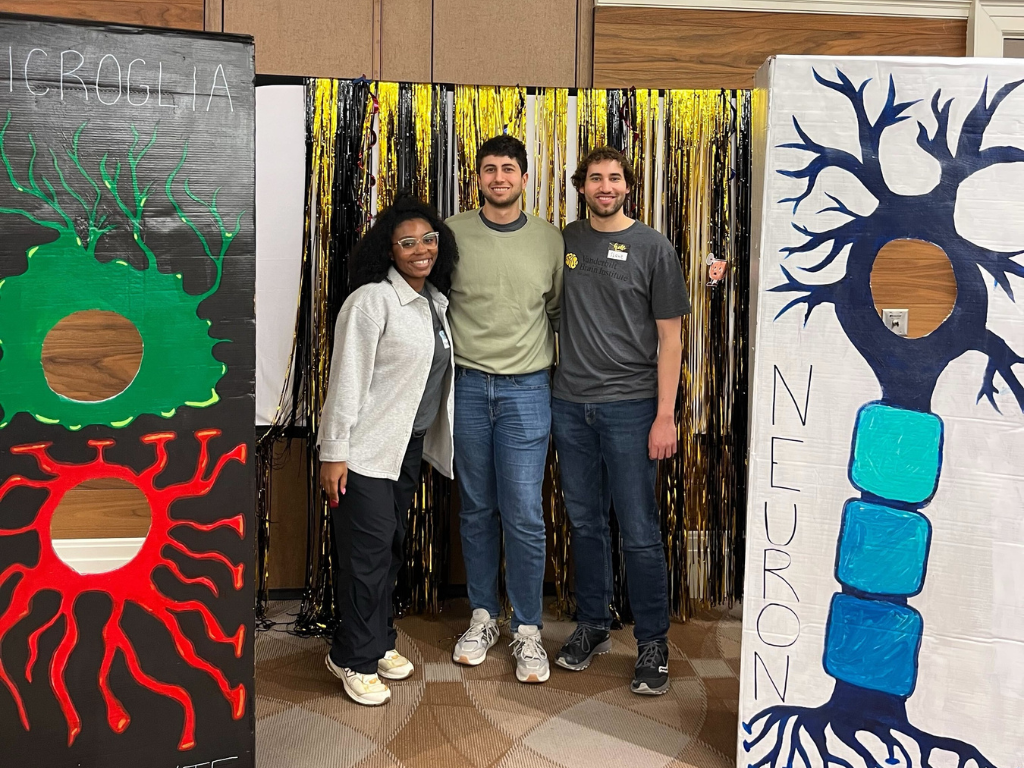
Vanderbilt Brain Institute marks 25 years of discovery with 2025 Brain Blast celebration
The Vanderbilt Brain Institute’s annual Brain Blast event, held March 26 at the downtown Nashville Public Library, celebrated 25 years of discovery with a day of hands-on neuroscience activities for K–8 students and families. Read MoreMay 5, 2025
-

Vanderbilt basic science alum Q&A: Anne Taylor
Anne Taylor, PhD'23, sat down with us to discuss her experience studying basic science at Vanderbilt and how it played a role in her career. Taylor is now a fellow at the Center for Opioid Research, Education & Outreach at the Auburn University Harrison College of Pharmacy. Read MoreMarch 25, 2025
-

Vanderbilt researchers find evidence that the hunger hormone leptin can direct neural development in a leptin receptor–independent manner
Researchers from the lab of Richard Simerly have uncovered the first example of activity-dependent development of hypothalamic neural circuitry. The work also suggests a novel role for the hunger hormone leptin in specifying the development of neural circuits involved in autonomic regulation and food intake. Read MoreNovember 25, 2024