Pharmacology
-
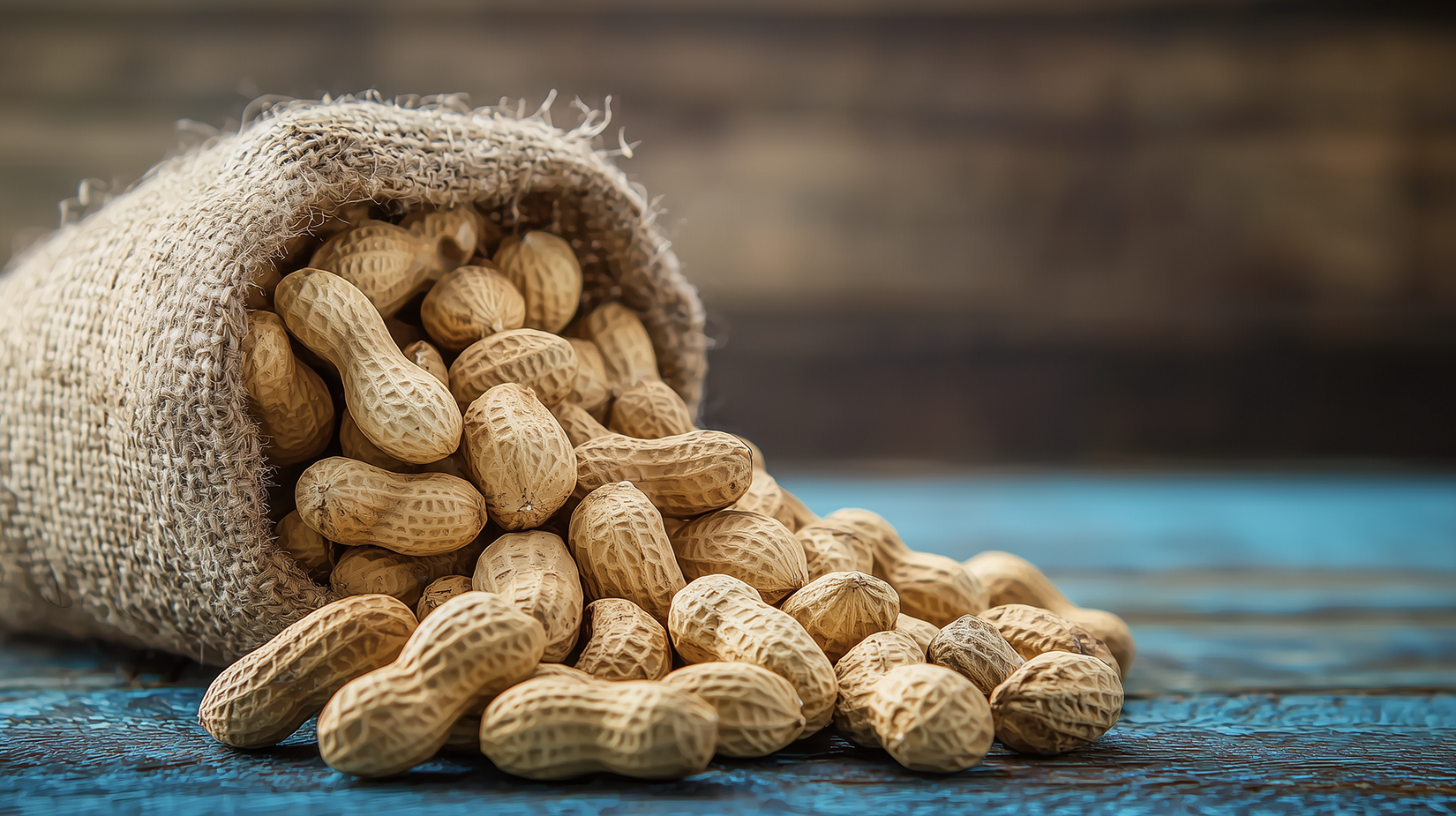
Vanderbilt biomedical research paves the way for ‘hypoallergen’ treatments against peanut allergies
By Lorena Infante Lara Food-related allergies and their effects are insidiously common in the United States: over seven percent of children and over 10 percent of adults are affected. Although a quarter of people with food allergies have an epinephrine pen, they are expensive and have to be replaced… Read MoreJune 18, 2025
-

Unlocking the secrets of spinal cord regeneration
A recent review from the pharmacology lab of Valentina Cigliola explores the remarkable regenerative capabilities of zebrafish and neonatal mice and how insights into these mechanisms could pave the way for innovative and regenerative therapies in humans suffering from spinal cord injuries or neurodegenerative diseases. Read MoreJune 18, 2025
-
New Warren Center TREK channel compounds reveal power of academic-industry partnerships in drug discovery
What makes these results exceptional isn’t just the compounds themselves, it’s what they represent: the value of translational research grounded in real-world therapeutic goals. The partners chose to release these best-in-class tool compounds to the scientific community to accelerate further discovery. Read MoreJune 16, 2025
-

New ketamine study promises extended relief for depression
Major depression is one of the most common mental disorders in the U.S. Approximately 7% (17.3 million) of American adults had at least one major depressive episode in 2017. Roughly 10 percent of the U.S. population is afflicted with major depressive disorder at any… Read MoreJune 13, 2025
-

New research offers promise for treatment-resistant cystic fibrosis patients
Driven by personal loss, a graduate student and his mentors unveil the mysteries of CFTR mutations, seeking to unlock new treatments for cystic fibrosis patients who currently resist available drugs. Read MoreJune 9, 2025
-

New Warren Center TREK channel compounds reveal power of academic-industry partnerships in drug discovery
What makes these results exceptional isn’t just the compounds themselves, it’s what they represent: the value of translational research grounded in real-world therapeutic goals. The partners chose to release these best-in-class tool compounds to the scientific community to accelerate further discovery. Read MoreJune 5, 2025
-

Craig Lindsley on Quantum Potential: Rewiring the Brain and Rethinking Pain
In this episode of Quantum Potential, Craig Lindsley, William K. Warren, Jr. Professor of Medicine, University Distinguished Professor of Biochemistry, Chemistry and Pharmacology and executive director of the Warren Center for Neuroscience Drug Discovery, joins Provost C. Cybele Raver to discuss transformative research exploring how subtle tweaks to brain chemistry could change the way we treat neurodegenerative diseases and chronic pain. Lindsley shares how academic-industry collaborations drive innovation in drug discovery and highlights how Vanderbilt’s scientific workflow is enabling the broader research community to build on its breakthroughs. Read MoreMay 29, 2025
-
Santisteban awarded BrightFocus Foundation’s Alzheimer’s Disease Research Program grant
BrightFocus Foundation’s Alzheimer’s Disease Research program has awarded a three-year, $300,000 research grant to Monica Santisteban, assistant professor of Medicine, Neurology and Pharmacology, to investigate the role of the renin angiotensin system in the progression of Alzheimer’s disease pathology. Read MoreMay 22, 2025
-
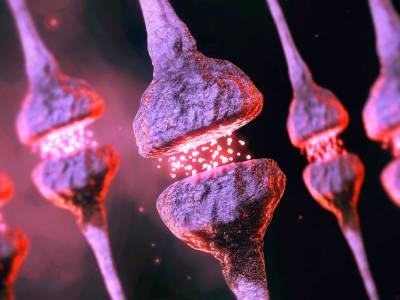
New ketamine study promises extended relief for depression
For the nearly 30 percent of major depressive disorder patients who are resistant to treatment, ketamine provides some amount of normalcy, but it requires frequent treatment and can have side effects. Vanderbilt researchers now show in proof-of-concept experiments that it may be possible to extend ketamine’s antidepressant effect from about a week to up to two months. Read MoreMay 22, 2025
-
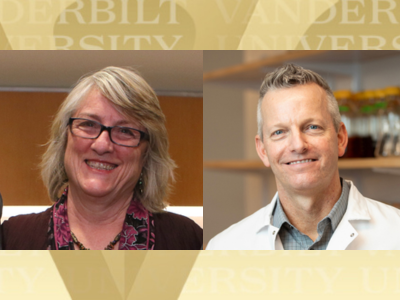
Heidi Hamm, Eric Skaar elected members of the National Academy of Sciences
Heidi Hamm,, the Aileen M. Lange and Annie Mary Lyle Professor of Cardiovascular Research and former chair of the Department of Pharmacology, and Eric Skaar, the Ernest W. Goodpasture Professor of Pathology and director of the Vanderbilt Institute for Infection, Immunology and Inflammation have been elected members of the National Academy of Sciences in recognition of their “distinguished and continuing achievements in original research.” Read MoreMay 12, 2025