Vanderbilt Basic Sciences
-

Investigation of Helicobacter pylori infection highlights opportunities for early gastric cancer detection
By Emily Overway Timothy Cover, professor of pathology, microbiology, and immunology, published an article in mSphere in late 2021 investigating infection by Helicobacter pylori, a bacterium that infects the stomach, potentially leading to gastric cancer. The research for the paper “Loss of Corpus-Specific Lipids in Helicobacter… Read MoreJanuary 28, 2022
-
Impaired neutrophils in autoimmunity
Patients with autoimmune diseases such as systemic lupus erythematosus (SLE) have higher blood levels of the protein S100A9, but the source of this protein has not been identified. Andrew Monteith, PhD, Eric Skaar, PhD, MPH, and colleagues reasoned… Read MoreJanuary 27, 2022
-
Eichman, Meiler and five Vanderbilt faculty elected AAAS fellows in 2021
Seven Vanderbilt University and Vanderbilt University Medical Center faculty members have been elected 2021 fellows of the American Association for the Advancement of Science, an honor bestowed upon AAAS members by their peers. Among those elected is Provost and Vice Chancellor for Academic Affairs Cybele Raver,… Read MoreJanuary 26, 2022
-
First-time isolation of Glucose-6-phosphatase leads to novel discoveries
Researchers from the labs of Hassane Mchaourab and Richard O’Brien, both professors of molecular physiology and biophysics, have successfully isolated active glucose-6-phosphatase (G6Pase) and characterized its biophysical and biochemical properties. G6Pase dysfunction is a primary contributor to metabolic diseases, including diabetes, and labs have been trying for years to isolate… Read MoreJanuary 25, 2022
-
Lopez lab develops computational tools to further understanding of complex biological systems
The history of hermeneutics started with Aristotle—parts comprise the whole. To understand the whole, we need to understand the parts. And to understand the parts, we need to understand them in the context of the whole. Carlos F. Lopez, associate professor of biochemistry, described this concept and its connection to… Read MoreJanuary 20, 2022
-
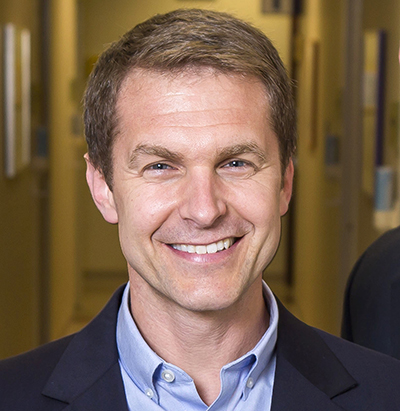
Study identifies molecular trigger of severe injury-induced inflammatory response
Patients that sustain severe trauma are at high risk of mortality that comes in waves and may occur days to weeks after injury. Not only are patients at risk for dying at the time of injury, but a second wave of death occurs hours after the injury, from bleeding, and… Read MoreJanuary 20, 2022
-
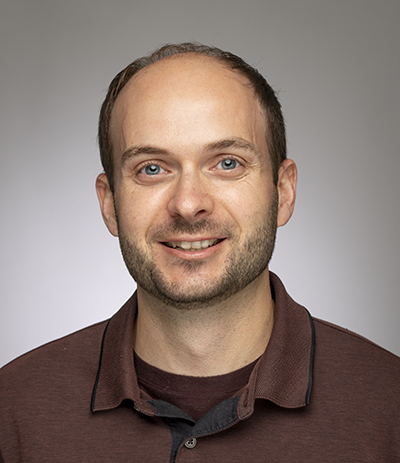
Vanderbilt scientist’s team project wins $55,000 to research fundamental cell behavior
Lars Plate, assistant professor of chemistry and biological sciences, is on a team that won $55,000 from Scialog’s initiative, Chemical Machinery of the Cell. The award—one of 24 granted to 21 researchers in the U.S. and Canada—will enable… Read MoreJanuary 7, 2022
-
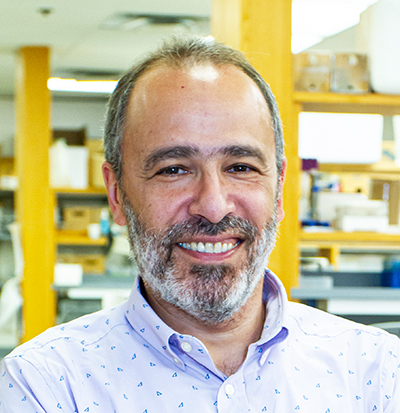
Study explores how bacteria become drug resistant
Researchers at Vanderbilt University and the University of Arizona have revealed more of the inner-workings of a two-stage “molecular motor” in the cell membrane that enables bacteria to become resistant to drugs. Their findings, which were reported recently in the journal Nature Chemical Biology, will aid the search for inhibitors… Read MoreJanuary 6, 2022
-
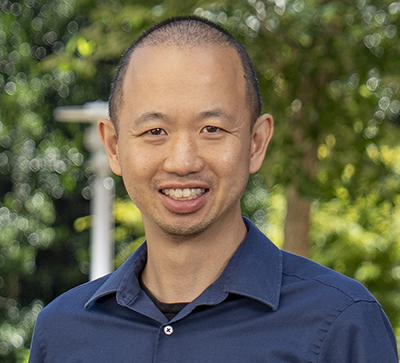
Study sets framework for precision surveillance of colorectal cancer
by Tom Wilemon A team of Vanderbilt researchers has revealed some of the mechanisms by which polyps develop into colorectal cancer, setting the framework for improved surveillance for the cancer utilizing precision medicine. Their study, published Dec. 14 in Cell, describes findings from a single-cell transcriptomic and imaging atlas… Read MoreDecember 17, 2021
-
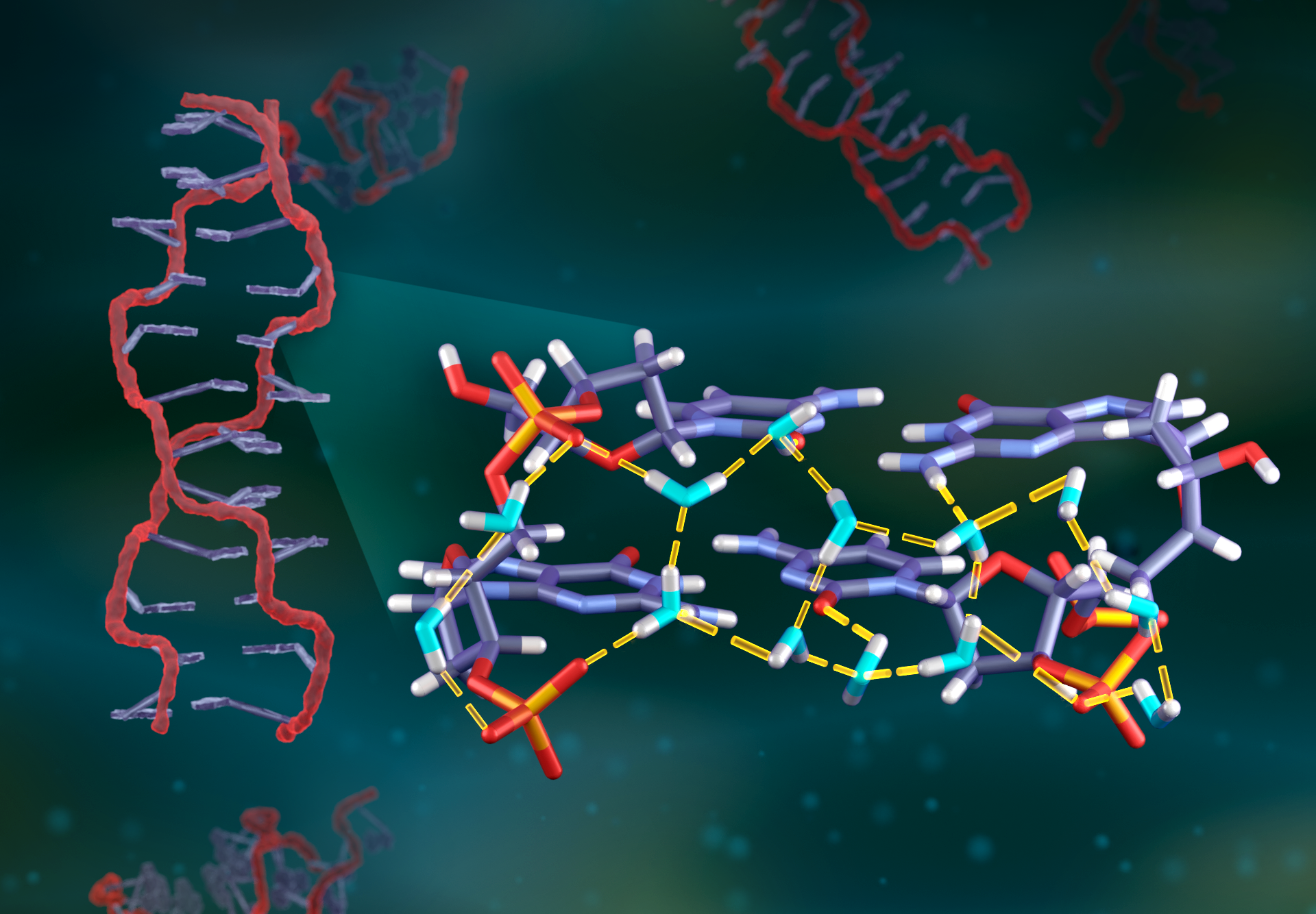
Neutrons take a deep dive into water networks surrounding DNA
By Olivia Trani This article was originally published on the Oak Ridge National Laboratory website and was adapted with permission for publication at Vanderbilt University. Water plays several important roles within the human body, even affecting the DNA in our cells. The entire surface of a DNA… Read MoreDecember 17, 2021