Lorena Infante Lara
-

DelGiorno lands prestigious American Cancer Society award to study therapeutic vulnerabilities in pancreatic cancer
Kathleen DelGiorno has received a Research Scholar Award from the American Cancer Society to study pancreatic cancer development. She will focus on the role of two fatty acids that are known to be involved with tumorigenesis. Read MoreSeptember 9, 2025
-

Carvajal-García named Destination Biochemistry Advanced Postdoctoral Scholar
Juan Carvajal-García has been named a 2025 Destination Biochemistry Advanced Postdoctoral Scholar, a distinction granted by the Department of Biochemistry at the School of Medicine Basic Sciences. The award will support his transition into an independent research position. Read MoreAugust 18, 2025
-

New research points to lipids as possible culprit in age-related vision loss
Vanderbilt biochemists find role for lipids in age-related vision loss—and pave the way for potential new therapies. Read MoreAugust 14, 2025
-

2025 Brighter Ventures Student Award granted to Adoma Manful for research on lung cancer disparities and outcomes
Adoma Manful, a Ph.D. student in epidemiology, won the 2025 Brighter Ventures Student Award for her research on improving lung cancer screening equity and addressing algorithmic bias in precision medicine tools. Read MoreAugust 1, 2025
-

New research points to cell subtypes that increase risk of diabetes
Recent work from a coalition of Vanderbilt labs has found clear distinctions in insulin-secreting β-cell subtypes and drawn a connection between certain subtypes and a higher risk of diabetes. Read MoreJuly 23, 2025
-

Using the Eskind Biomedical Library to access thousands of academic journals
As a researcher affiliated with Vanderbilt University, you should never pay for a scholarly journal article. Vanderbilt’s system of libraries offers several tools that can be helpful when accessing library resources on the open web. Read MoreJuly 7, 2025
-

Unlocking the secrets of spinal cord regeneration
A recent review from the pharmacology lab of Valentina Cigliola explores the remarkable regenerative capabilities of zebrafish and neonatal mice and how insights into these mechanisms could pave the way for innovative and regenerative therapies in humans suffering from spinal cord injuries or neurodegenerative diseases. Read MoreJune 18, 2025
-

New research offers promise for treatment-resistant cystic fibrosis patients
Driven by personal loss, a graduate student and his mentors unveil the mysteries of CFTR mutations, seeking to unlock new treatments for cystic fibrosis patients who currently resist available drugs. Read MoreJune 9, 2025
-
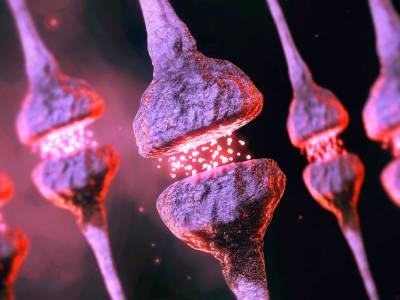
New ketamine study promises extended relief for depression
For the nearly 30 percent of major depressive disorder patients who are resistant to treatment, ketamine provides some amount of normalcy, but it requires frequent treatment and can have side effects. Vanderbilt researchers now show in proof-of-concept experiments that it may be possible to extend ketamine’s antidepressant effect from about a week to up to two months. Read MoreMay 22, 2025
-

Gene expression during differentiation depends on timing of epigenetic changes
A recent paper from the lab of Emily Hodges looks at how two types of epigenetic changes act together but on different time scales to affect gene expression during cell differentiation. Read MoreMay 21, 2025