Lorena Infante Lara
-
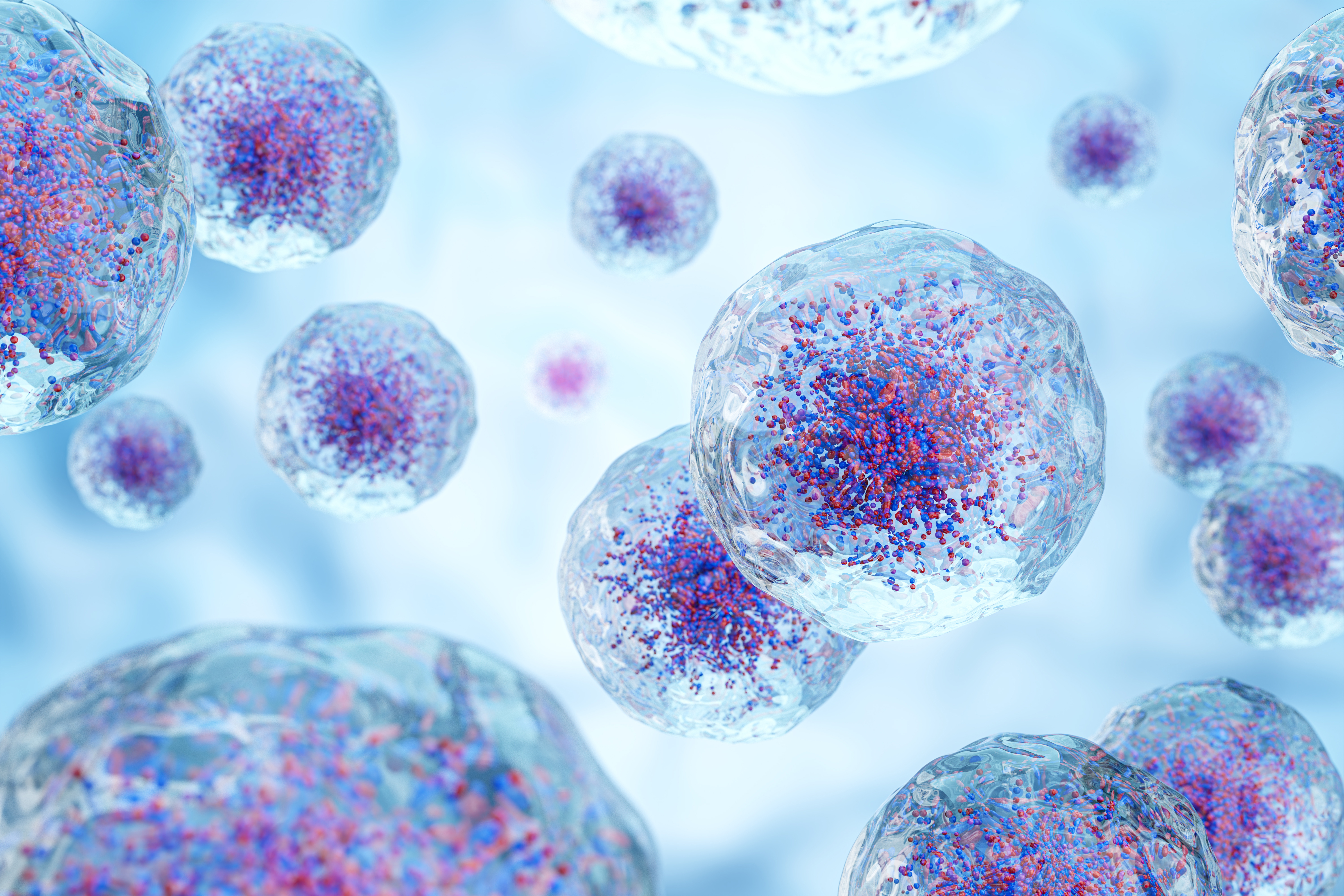
From activation to repression: Decoding the impact of PPAR ligands on ligand-binding domain conformation
In a new study published in Nature Communications, the Doug Kojetin and Zhongyue Yang labs use peroxisome proliferator-activated receptor gamma—more commonly known as PPAR—as a model system to understand the functional shifts of nuclear receptor LBDs. Read MoreMay 12, 2025
-
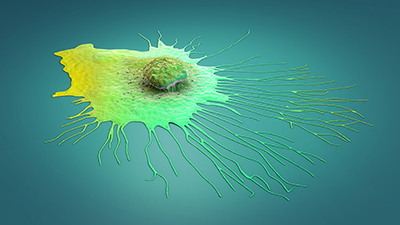
A package deal: Diagnosing and treating breast cancer with a single complex
Vanderbilt researchers have developed a nanoparticle complex that can both visualize and attack cancer cells by targeting the tumor microenvironment. Read MoreMay 7, 2025
-
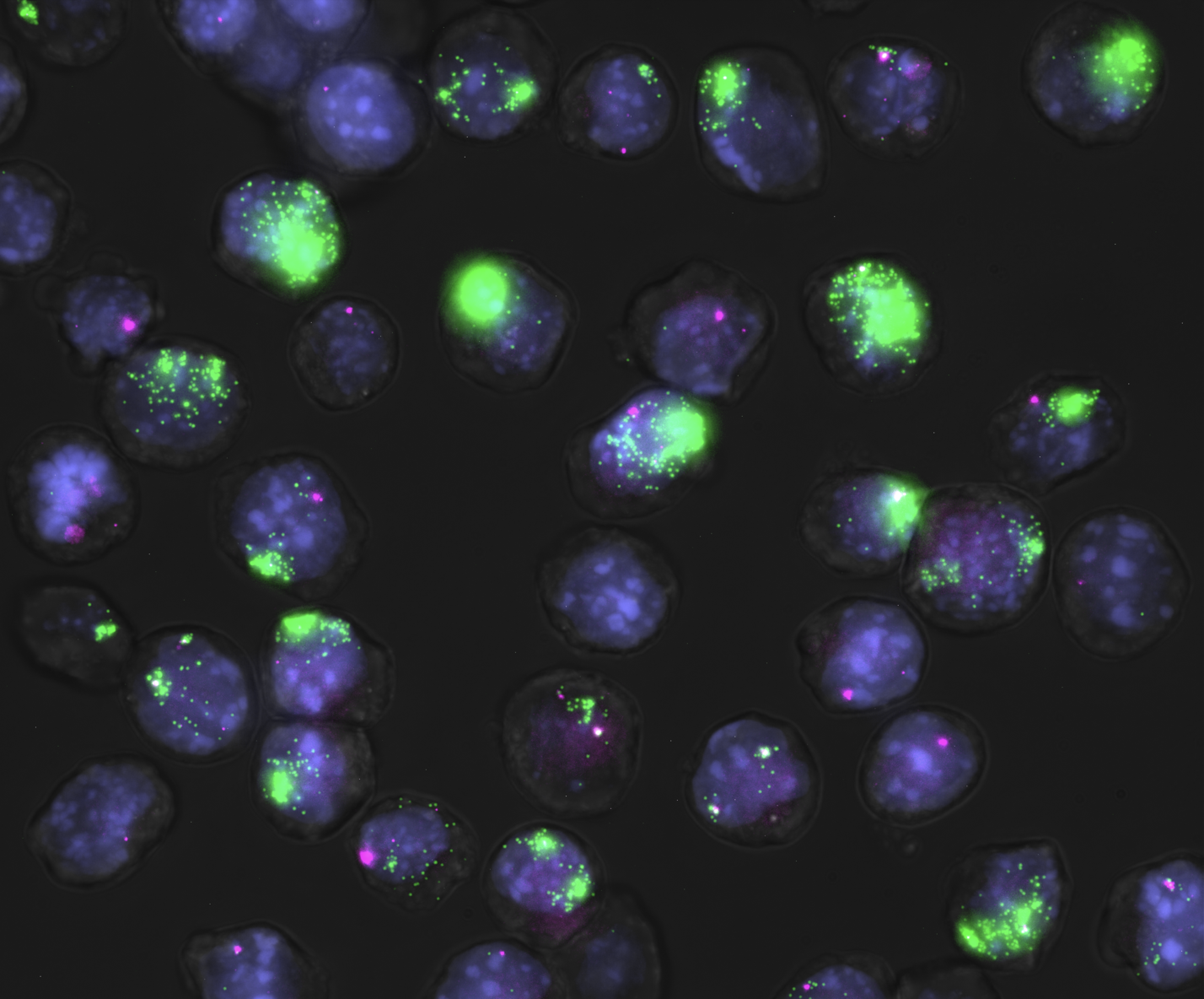
Cracking the code: How studying single cells reveals the secrets of noncoding genes
In a recent study, Vanderbilt researchers address a significant gap in our understanding of how noncoding regions of the genome regulate important biological processes, such as X-chromosome inactivation. They use an innovative, single-cell approach to uncover new mechanistic insights into how specific long noncoding RNAs control critical gene regulation events. Read MoreMay 7, 2025
-
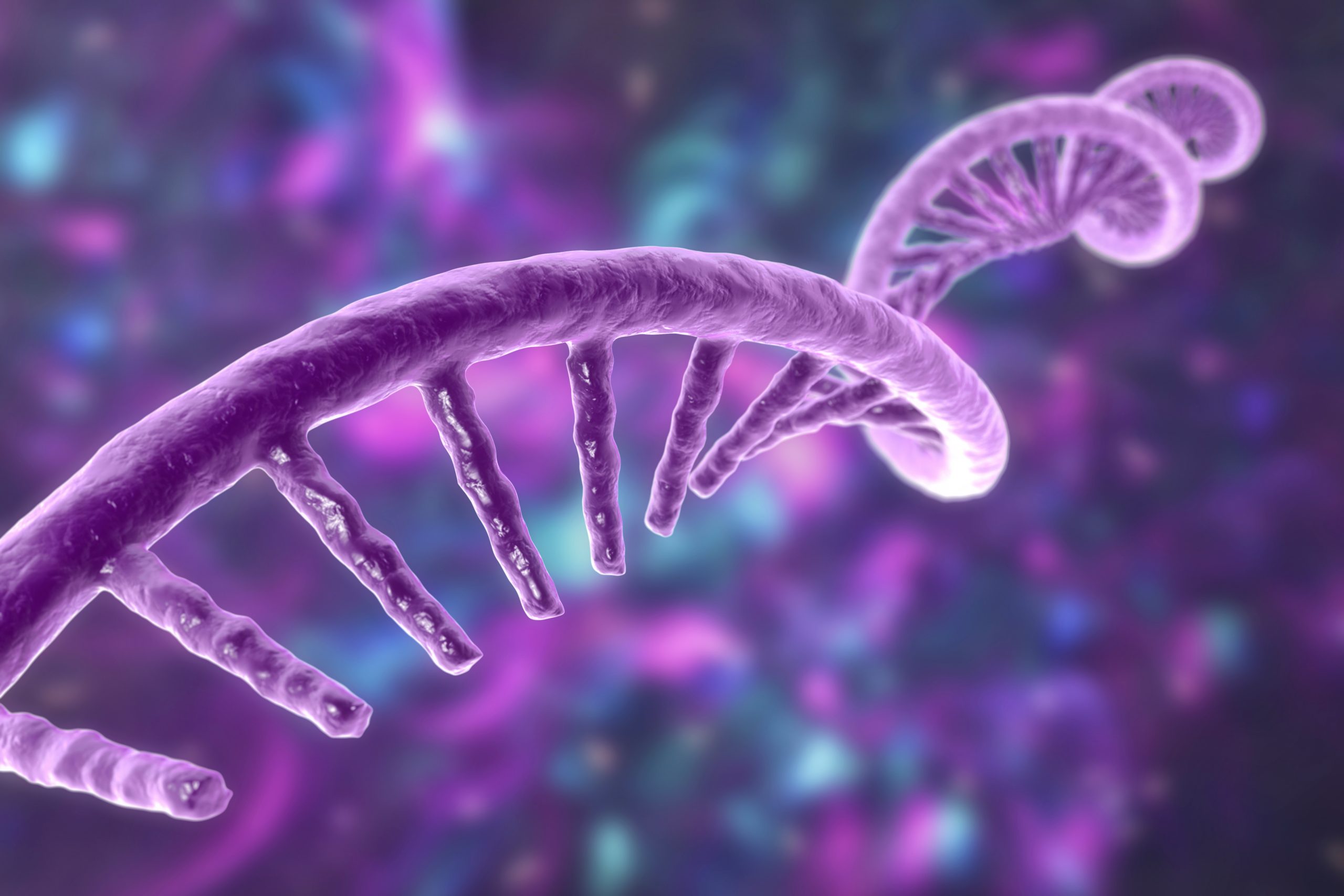
Vanderbilt scientists pioneer an AI-driven drug discovery tool targeting RNAs
Vanderbilt researchers developed a deep-learning tool, RNAmigos2, that accelerates the discovery of RNA-targeting small-molecule drugs by 10,000 times compared to traditional methods, unlocking a promising new frontier in medicine. Read MoreApril 24, 2025
-
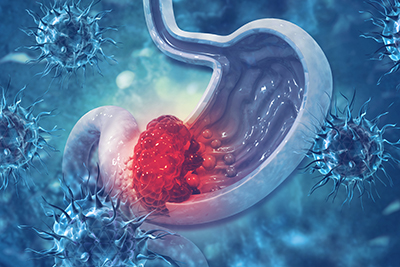
To cause cancer or not to cause cancer: What leads to H. pylori-induced stomach malignancies
Researchers from the Vanderbilt University Medical Center and Vanderbilt University have figured out how two bacterial elements present in only some Helicobacter pylori strains lead to molecular changes in host tissues that favor the development of gastric cancer. Read MoreApril 2, 2025
-
Vanderbilt researchers identify potential drug combinations to improve breast cancer treatment
Triple-negative breast cancer accounts for 10 percent of breast cancer cases in the U.S. annually. As T-cells that normally kill cancer cells often become exhausted and stop, Vanderbilt pharmacologists are seeking chemotherapy or targeted therapy approaches that can enhance the T-cell killing of cancer cells. Read MoreMarch 10, 2025
-
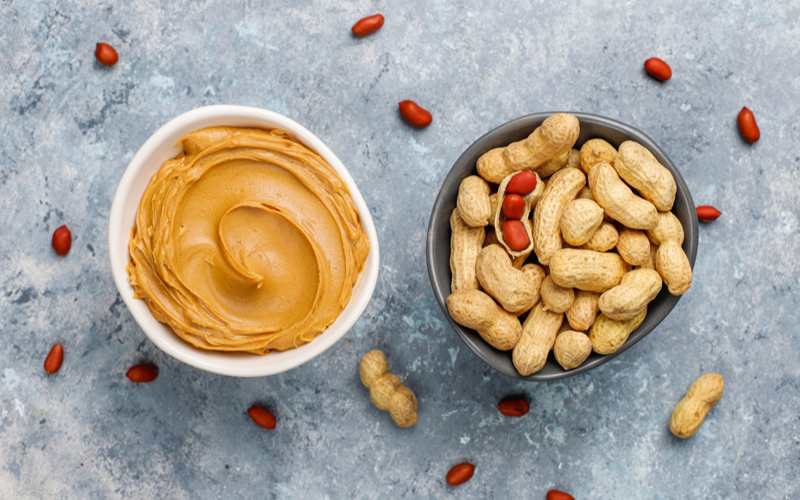
Vanderbilt biomedical research paves the way for ‘hypoallergen’ treatments against peanut allergies
Peanuts cause the highest number of food allergy–related deaths in the U.S. Basic scientists at Vanderbilt uncover how the allergy works and suggest new potential treatments. Read MoreFebruary 24, 2025
-
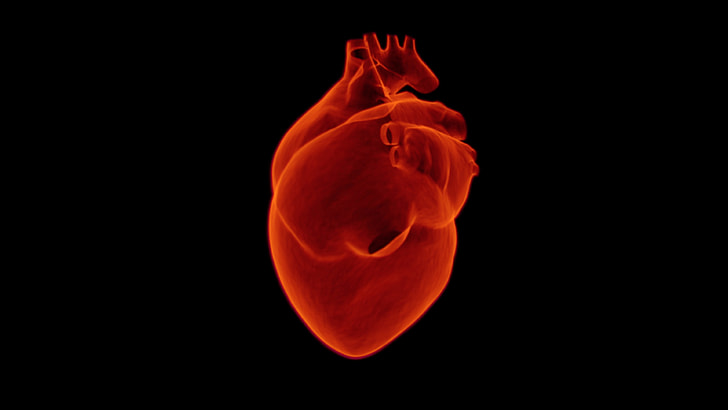
Vanderbilt and Northwestern labs discover new mechanisms that cause irregular heartbeat
Vanderbilt and Northwestern University researchers characterized a group of KCNQ1 variants probe their role in a common heart disorder called LQTS. They found that there are five classes of mutations that act through independent mechanisms, suggesting that a more tailored/personalized treatment approach could be beneficial for LQTS patients. Read MoreFebruary 18, 2025
-

How do you maintain a cellular structure without a membrane? Researchers find that synapses can use liquids to create functional separations
Researchers from the School of Medicine Basic Sciences found that, although synapses are not bound by a membrane, they are still able to maintain a nanostructure necessary for evoked neurotransmission with the help of a physicochemical phenomenon called liquid-liquid phase separation. Read MoreFebruary 6, 2025
-

Developmental biologists discover how a critical protein shapes gallbladder formation
Researchers from the School of Medicine Basic Sciences have discovered that the concentration of a critical protein influences the formation of the gallbladder and the bile duct system. Read MoreJanuary 30, 2025