Metabolism
-

Chicken or the egg: New study suggests overeating could lead to hypothyroidism
A study from the Department of Molecular Physiology and Biophysics has shed light on the connection between obesity and hypothyroidism: Contrary to the popular belief that hypothyroidism is unidirectionally responsible for weight gain, obesity can—on its own—also lead to thyroid dysfunction. Read MoreAugust 7, 2026
-

Eating breakfast affects how your body responds to lunch—and a hormone is to blame
Eating breakfast affects how our livers respond to lunch. Research from the Department of Molecular Physiology and Biophysics indicates that this well-known, metabolic memory phenomenon is a result of hormonal interplay and points to critical roles not just for insulin but for glucagon as well. Read MoreJune 9, 2026
-
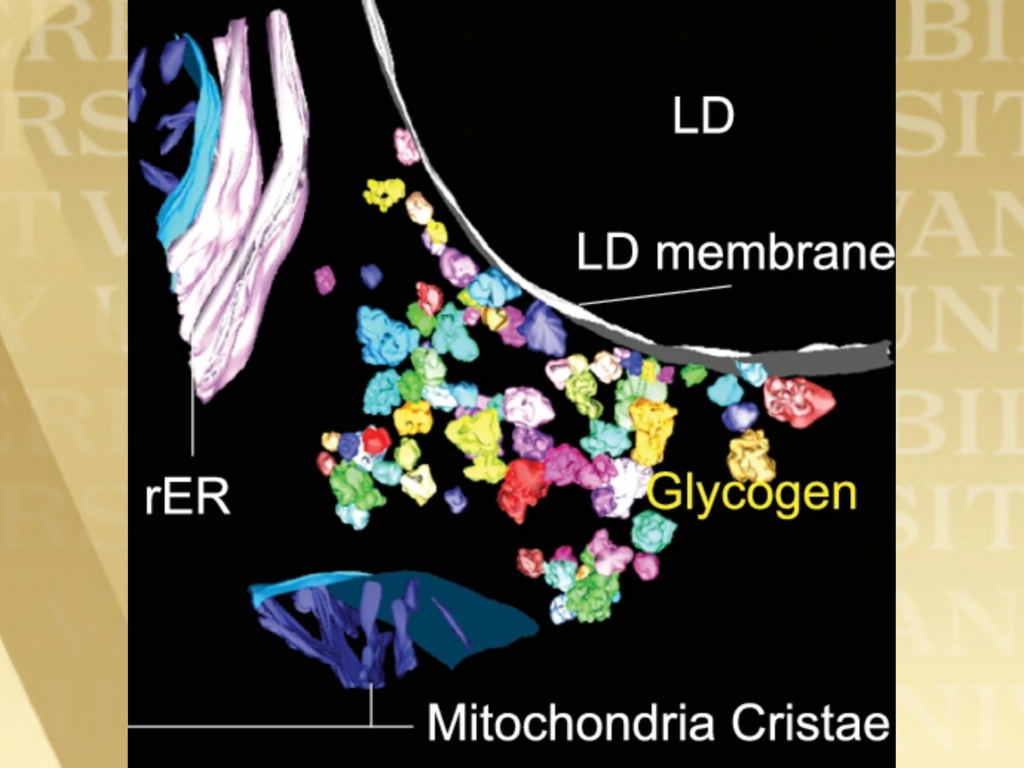
Pioneering new method reveals glucose channeling, charting the fine structure of energy metabolism inside active cells
With a new method, researchers have captured a high-resolution metabolic “map” of how cells orchestrate glucose processing, revealing a hidden world where organelles and molecular complexes collaborate when responding to a rush of nutrients. The results of the pioneering work provide insights into an organizational and molecular framework that can be used to study how metabolic processes are disrupted in diseases and aging. Read MoreJuly 10, 2025
-
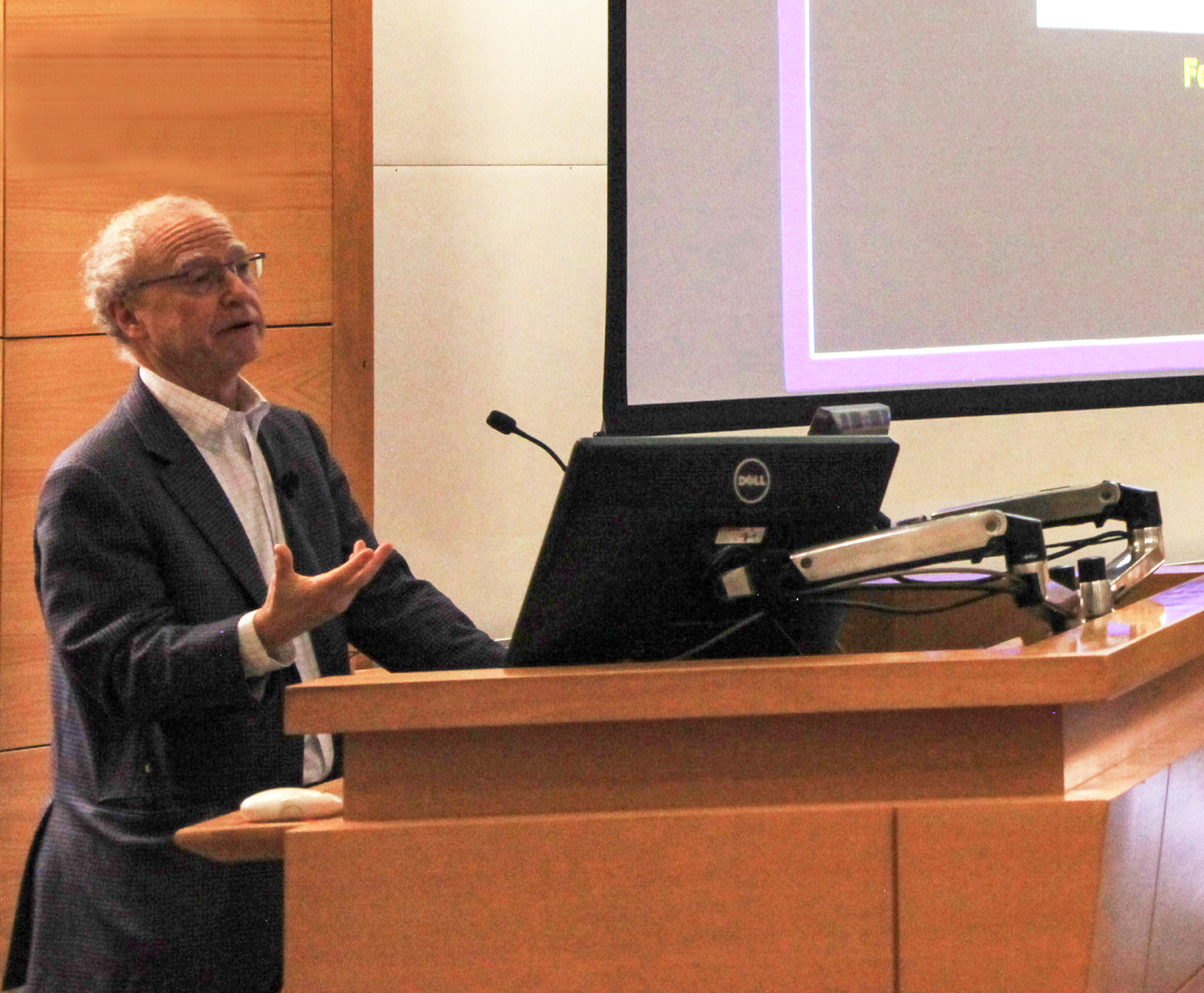
Does your liver know what time it is?
Physician-scientist Mitch Lazar delivered a School of Medicine Basic Sciences Apex Lecture on Feb. 11 about nuclear receptors and the circadian regulation of metabolism. Read MoreFebruary 18, 2025
-
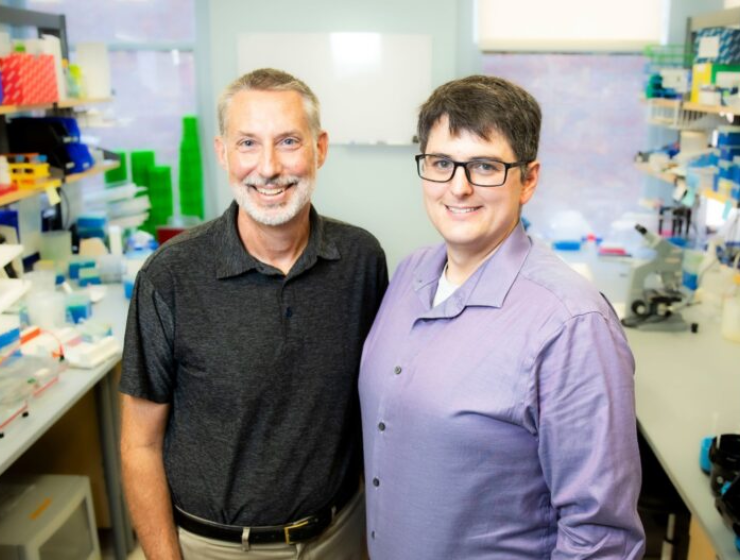
Rare diseases point to connections between metabolism and immunity
Science Immunology study suggests a new class of inborn errors of immunometabolism and could improve care for patients with these complex diseases. Read MoreAugust 21, 2024
-
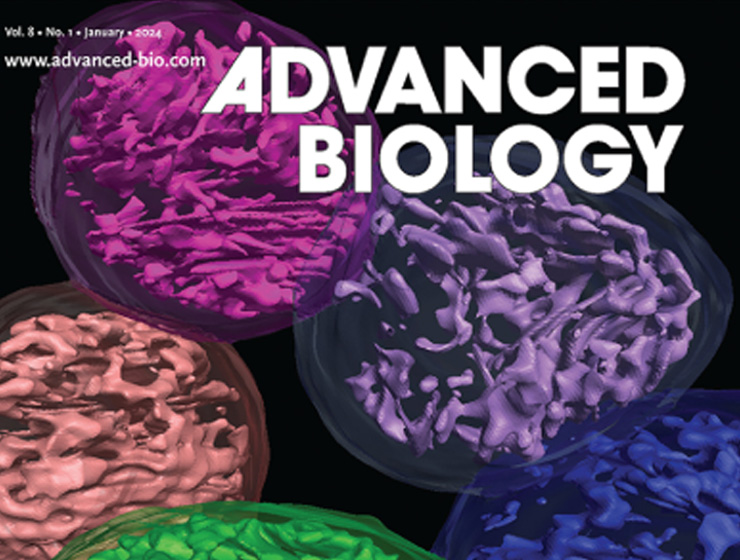
Hinton lab maps structure of mitochondria at different life stages
Antentor Hinton Jr. spearheaded a collaboration with labs from across Vanderbilt University, the U.S., and Brazil to create 3D maps of mitochondria inside brown adipose tissue, which may help researchers identify potential therapies to treat metabolic ailments. Read MoreApril 4, 2024
-

Diabetes discoveries: Transforming understanding and care
Prior to insulin’s introduction to the clinic in 1922, life expectancy after a type 1 diabetes diagnosis was only one to two years. Even after insulin, without the understanding and technology we have today, managing diabetes was a struggle. Read MoreMarch 7, 2024