By Caroline Bodnya
For Ph.D. students and postdoctoral fellows, future career options in industry can feel like a black box: It’s hard to picture the day-to-day of an industry career, how to get your foot in the door, or what roles to search for on LinkedIn to begin the job search.
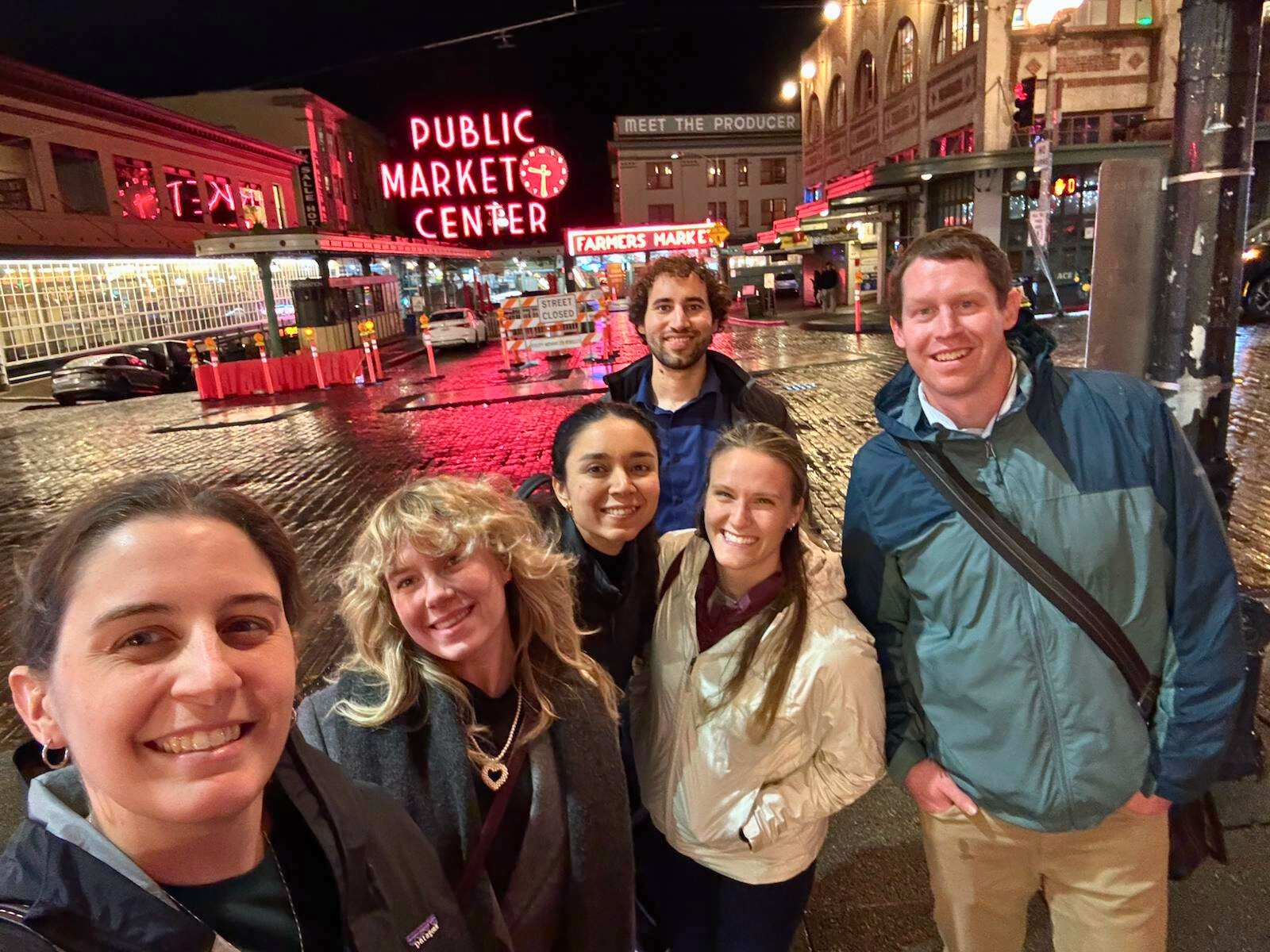
To get a glimpse inside the world of industry, a group of 12 biomedical Ph.D. students and postdoctoral scholars went to Seattle, Washington, in October 2025 through the ASPIRE on the Road program. The trainees traveled with Kate Stuart, associate director of career development in the Office of Biomedical Research Education and Training, part of the School of Medicine Basic Sciences. Over three days, the trainees visited biotech startups and pharmaceutical companies, connected with industry leaders and Vanderbilt alums, and discovered what a biomedical career in industry entails.
“ASPIRE on the Road adventures are invaluable for our trainees,” said Walter Chazin, senior associate dean of BRET. “These days, Seattle is a top-10 location for biomedical science industry opportunities, with a rapidly growing biotech ecosystem. We feel it is important to provide our students and postdocs with networking opportunities and further develop our contacts in this exciting city. We are incredibly grateful for the supportive alumni in Seattle who helped made this trip a huge success.”
The trip itinerary was made possible by SOMBS alums who live and work in Seattle. “As someone who participated in some of the first iterations of the ASPIRE program, I know firsthand how transformative these experiences can be. ASPIRE was instrumental in helping me navigate the transition from academia into my career, and I’ve carried those lessons with me ever since,” said Kayla Young, PhD’16, chief of staff at The Align Foundation. “Because of the foundation Vanderbilt helped me build, I was able to grow a strong network in Seattle that now allows me to support visits like this. I’m delighted that today’s trainees had the opportunity to explore Seattle’s vibrant biotech community, and I hope to cross paths with them in the future.”
Day 1: From Seattle to Bothell … and back
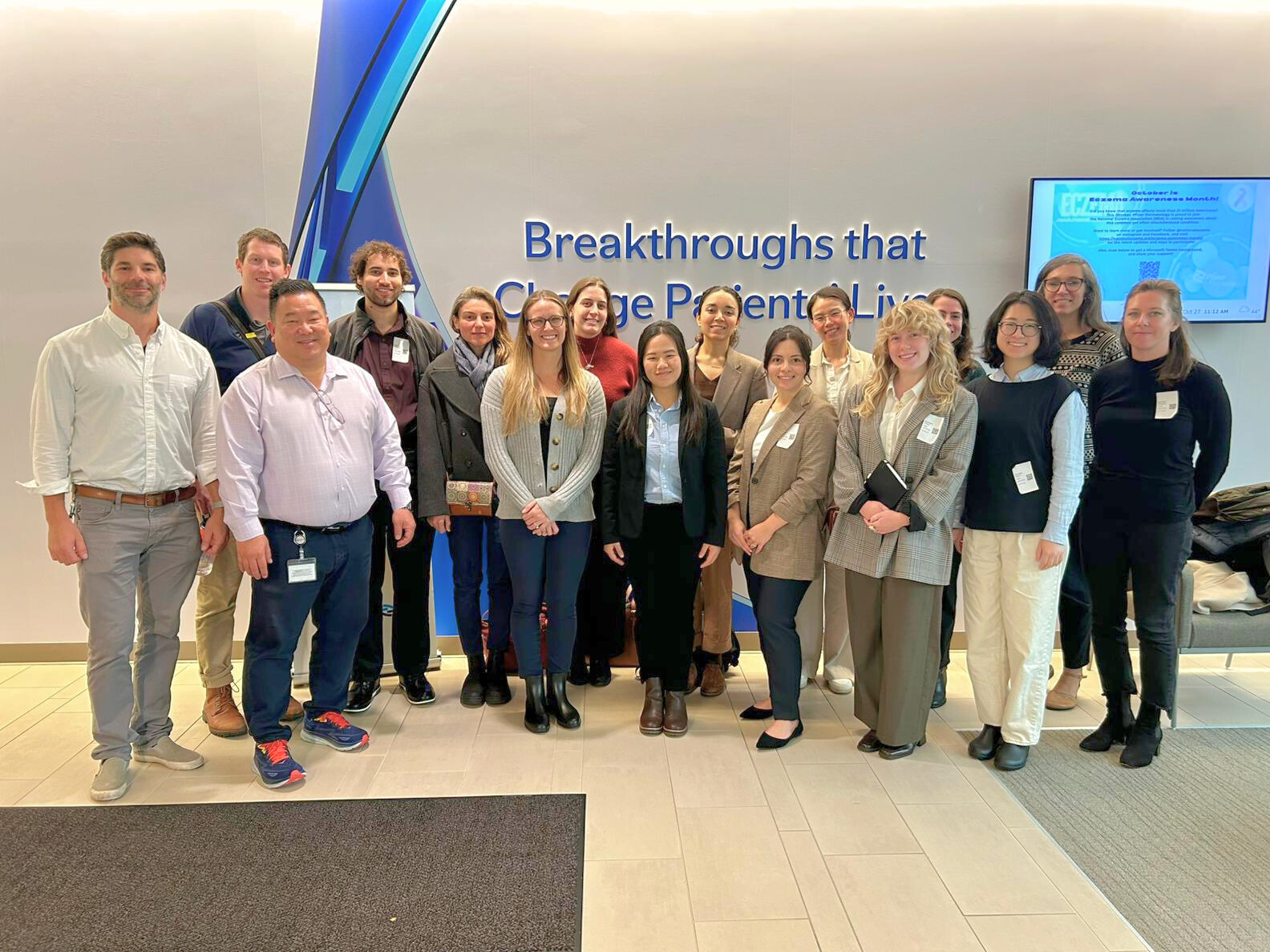
After arriving in Seattle on Sunday evening, the trip kicked off early on Monday morning with a scenic, 30-minute drive to Bothell, Washington. The first stop was Pfizer (formerly SeaGen) North Creek Manufacturing, which produces antibody drug conjugates, cancer treatments that combine monoclonal antibodies with cancer-killing drugs. After gearing up in cleanroom suits, the trainees toured the antibody production facilities. After the tour, JT Brogan, PhD’13, associate director of regulatory affairs CMC at Pfizer, shared insights about working in manufacturing and research and development.
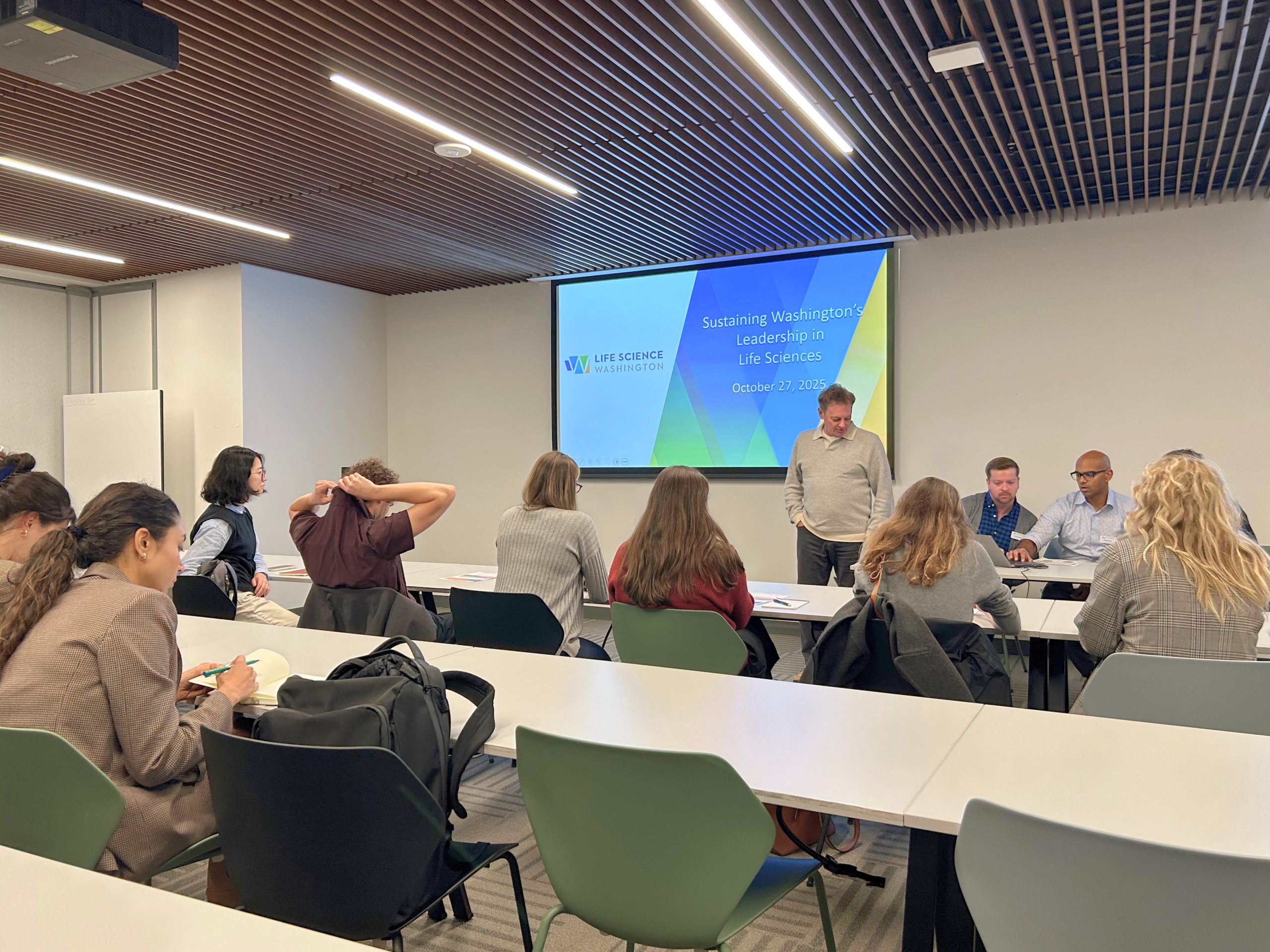
After lunch, the group returned to Seattle for an afternoon at Life Science Washington. President and CEO Marc Cummings introduced the nonprofit organization, which advocates for policy changes, fosters networking, and provides resources to entrepreneurs and companies. Srikant Iyer director of workforce development and education partnerships; Curtis Knapp, public affairs manager; and Elizabeth Cross Nichol program and grants manager offered their views on Washington’s life science ecosystem and driving regional growth and innovation in the life sciences.
With new perspectives and experiences, the trainees geared up for a busy next day.
Day 2: Big biotech morning, startup afternoon, Space Needle nightcap
Tuesday began with a visit to Bruker, formerly Nanostring. After learning about Bruker Spatial Biology and their instruments for spatial transcriptomics, proteomics, and genomics from Product Marketing Manager Michael Bailey and getting a tour of the Bruker lab spaces, the trainees had opportunities to connect with Bruker employees across different roles to learn about their jobs and get career advice.
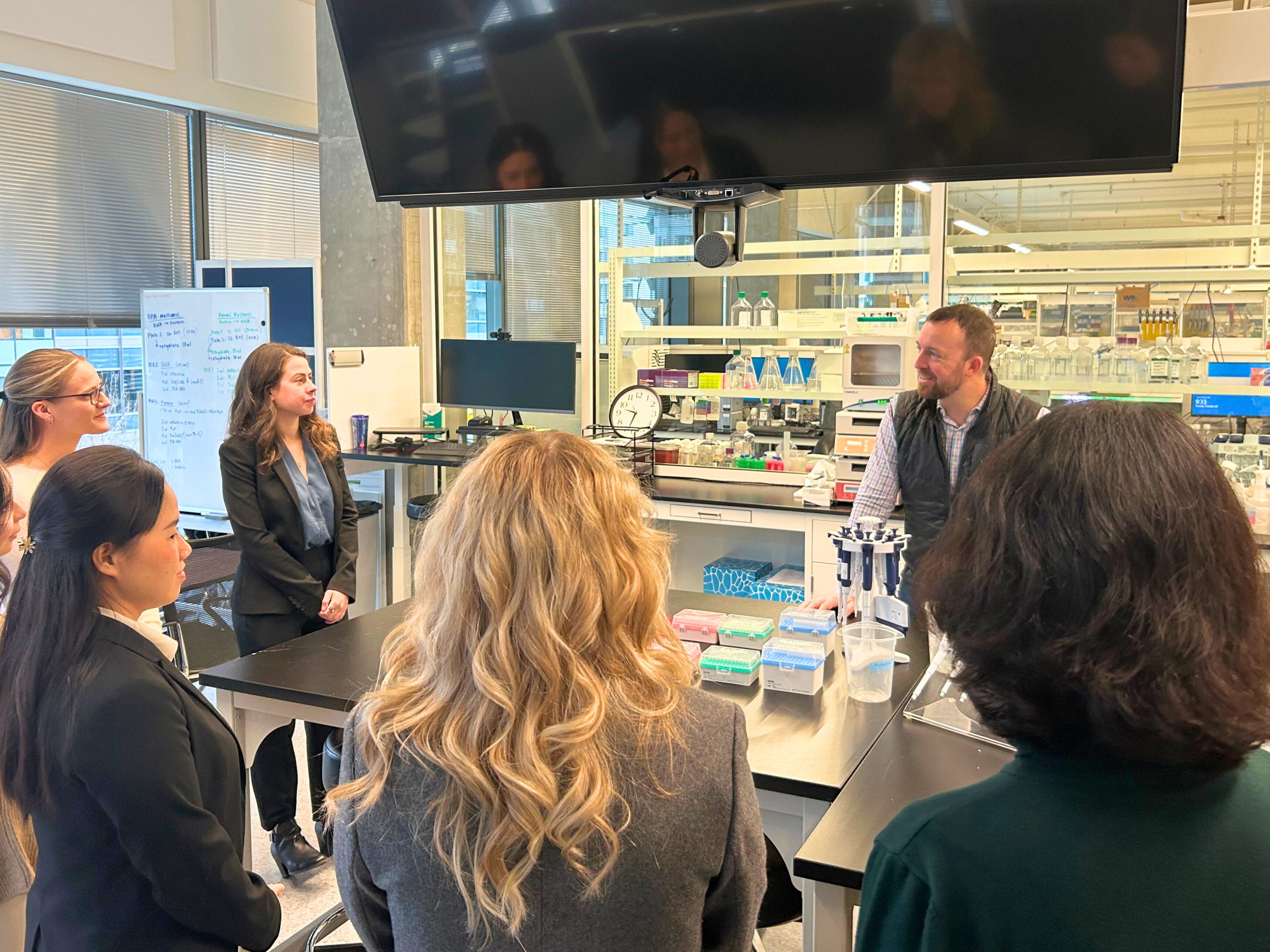
“I especially appreciated the thoughtfully structured career panels and alumni networking events where trainees could engage directly with representatives and alumni to gain insights into their transitions from graduate school to their current roles,” said Ting-Chen Wang, a Ph.D. candidate in human genetics. “These experiences, shared openly and genuinely, have encouraged me and my peers to think about how our academic training at Vanderbilt can inform future work within and beyond research.”
The group visited Talus Bio, a startup developing therapies targeting previously “undruggable” genome regulators. Michelle Briscoe, chief operating officer and chief financial officer, introduced the company and moderated a fireside discussion with key Talus employees, including Alex Federation, chief executive officer and co-founder. The group highlighted the importance of leveraging professional networks and provided a glimpse into the day-to-day operations of a growing startup.
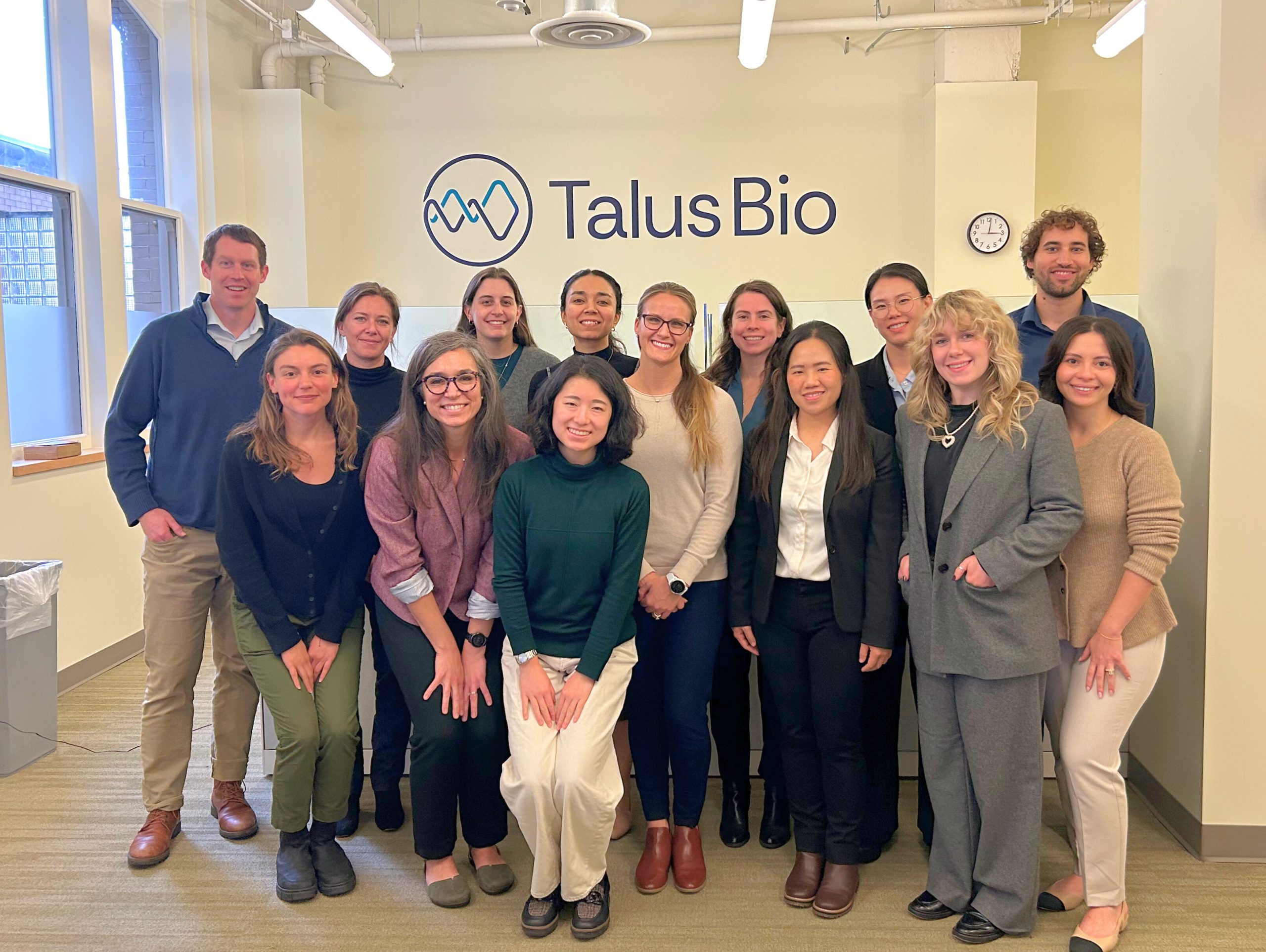
Kacie Traina, a Ph.D. candidate in microbe-host interactions, reflected that the importance of networking was a key takeaway from the trip. “I began to understand networking not as an intimidating obligation, but as an opportunity to genuinely get to know others, to learn about a company as a community of people who may share similar goals and passions with me, and to form meaningful connections with individuals who are very willing to support new graduates like us,” she said. “I realized that, while rejection may occur, valuable connections and supportive mentorship will be established regardless of immediate outcomes of the job application.”
The next stop was a visit to A-Alpha, a startup leveraging machine learning and synthetic biology to predict protein-protein interactions. The trainees toured the A-Alpha lab space and met with employees in R&D, data science, and business development. This conversation highlighted how a Ph.D. can lead to a variety of career paths.
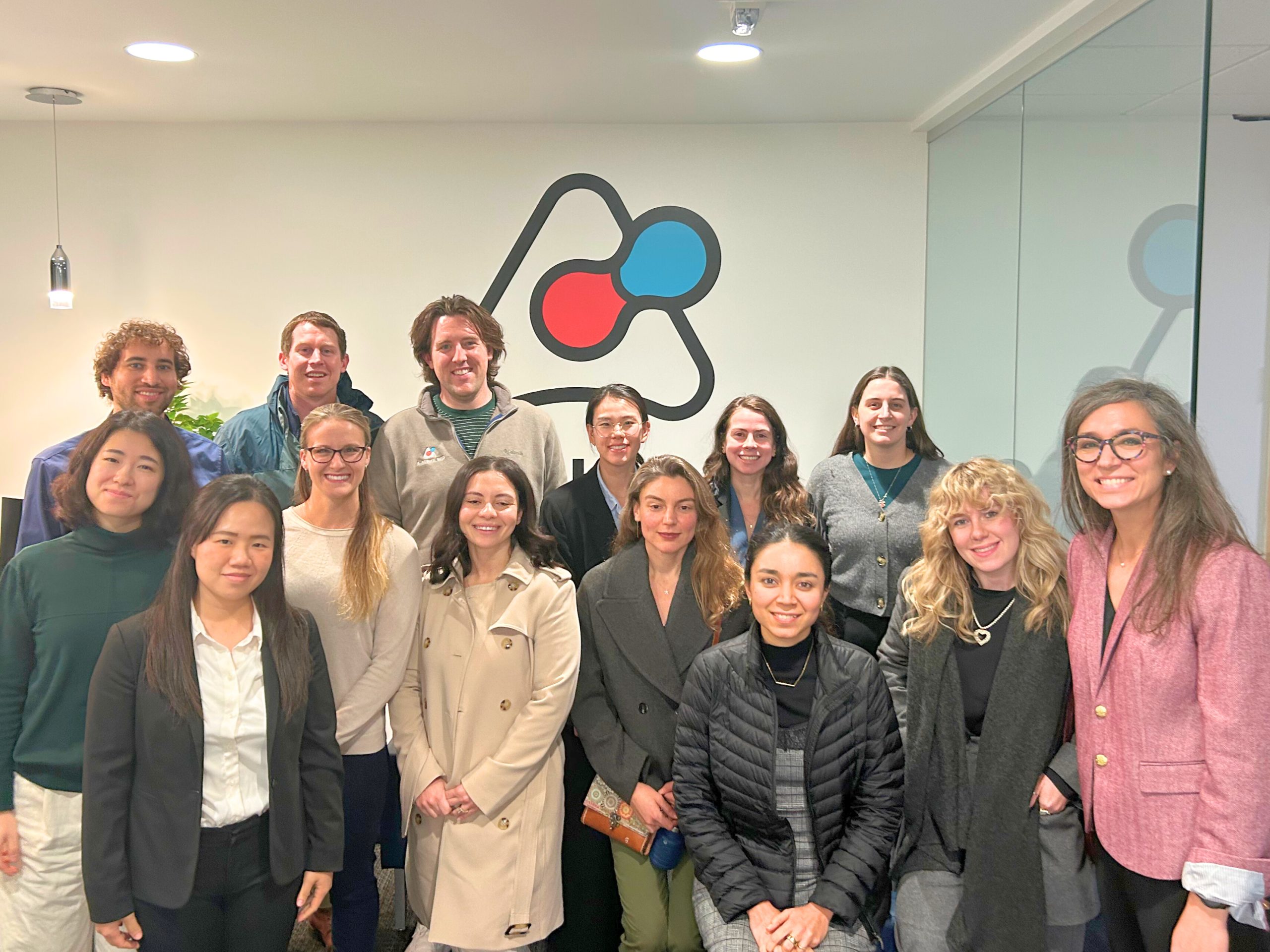
“I especially enjoyed visiting Talus Biosciences and A-Alpha Bio, two startups with cozy lab spaces and welcoming staff members doing very cool science!” said Ashima Chopra, a postdoc in biochemistry. “I’ve been able to connect with some of the people at these companies; meeting them in person has helped forge connections I wouldn’t have otherwise.”
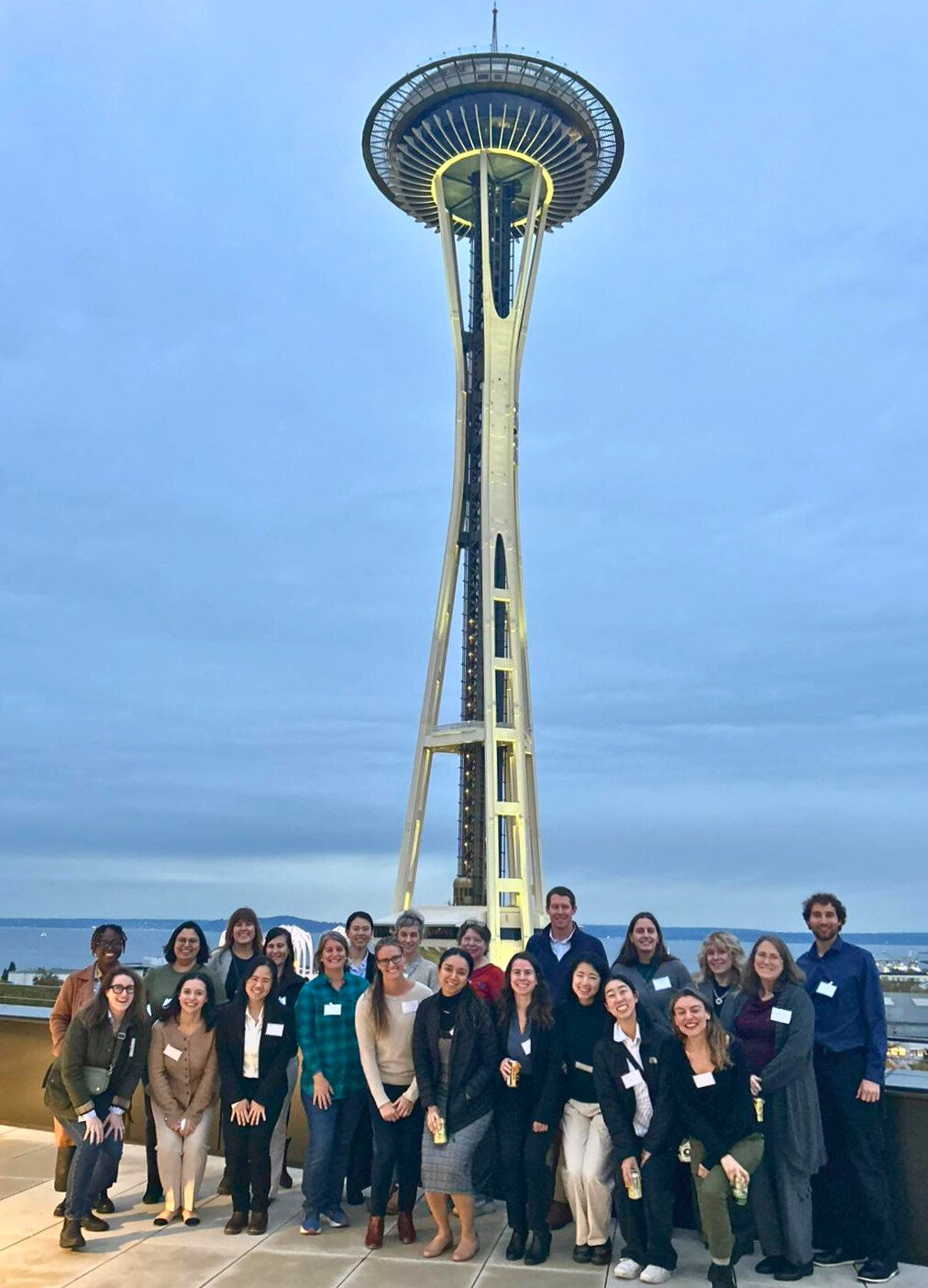
The day concluded with a Vanderbilt alum happy hour at Seattle CoLab, an event space with a rooftop view of the Space Needle, an iconic Seattle observation tower. For a few hours, trainees chatted with Vanderbilt alums and learned about the many different options for a biotech career in Seattle.
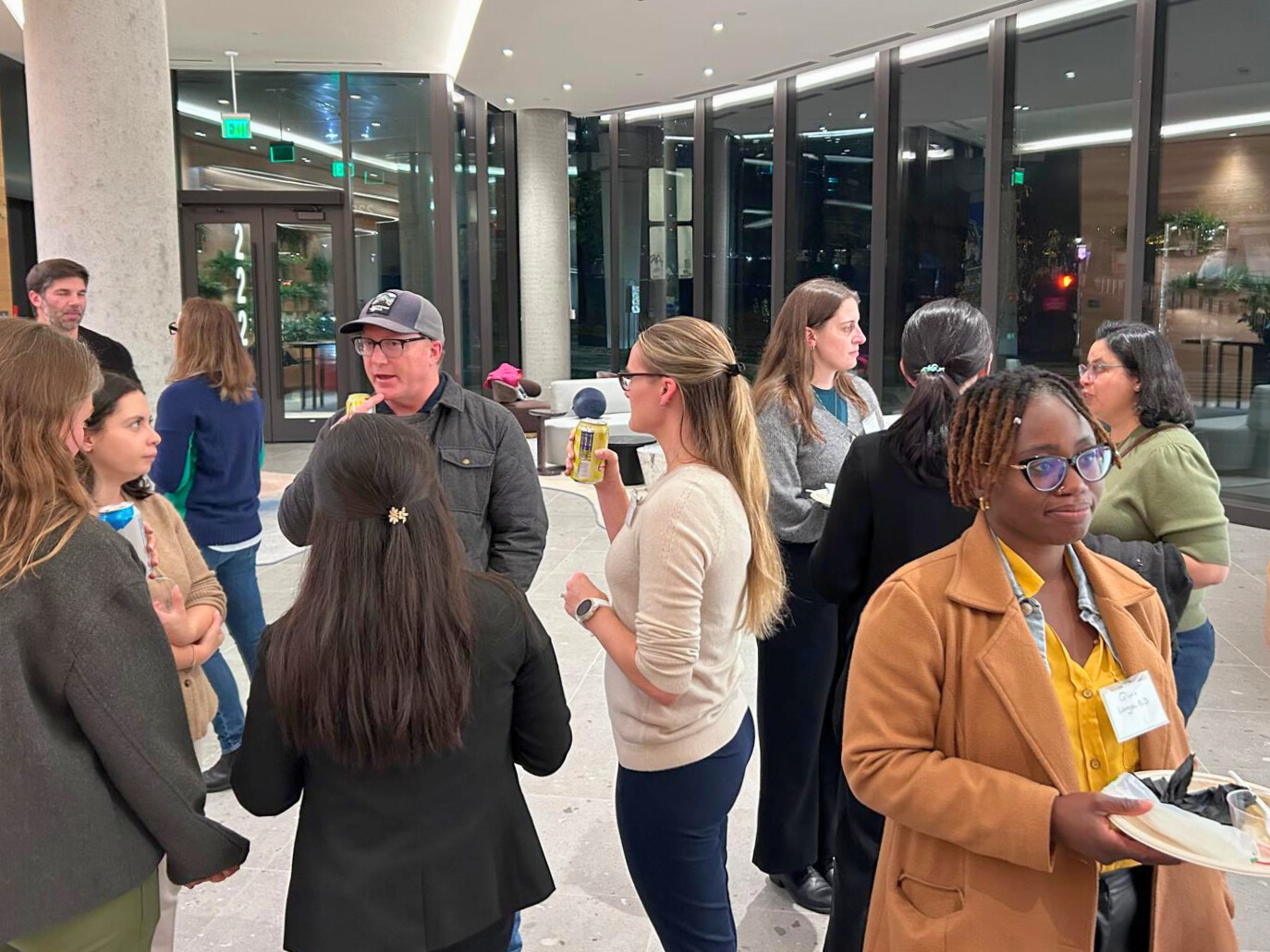
“Prior to this trip, I was unaware of the wealth of opportunities for biomedical researchers in Seattle outside of academic institutions,” said Allison McCabe, a Ph.D. candidate in cancer biology. “Through this trip, I learned about the numerous companies and organizations in the area and the robust Vanderbilt alumni base there. Connecting with so many alumni at the happy hour was a highlight of the trip for me.”
Day 3: A final stop at the Allen Institute
Wednesday morning marked the final stop of the trip: the Allen Institute, an independent, nonprofit research institute that focuses on brain science, cell science, immunology, and more. The visit began with a tour and a Q&A with Gene Therapy Lead Meagan Quinlan, PhD’18, and Visiting Scientist Pooja Balaram, PhD’14, that covered how day-to-day work at a research institute differs from large biotech companies, startups, and academic institutions.
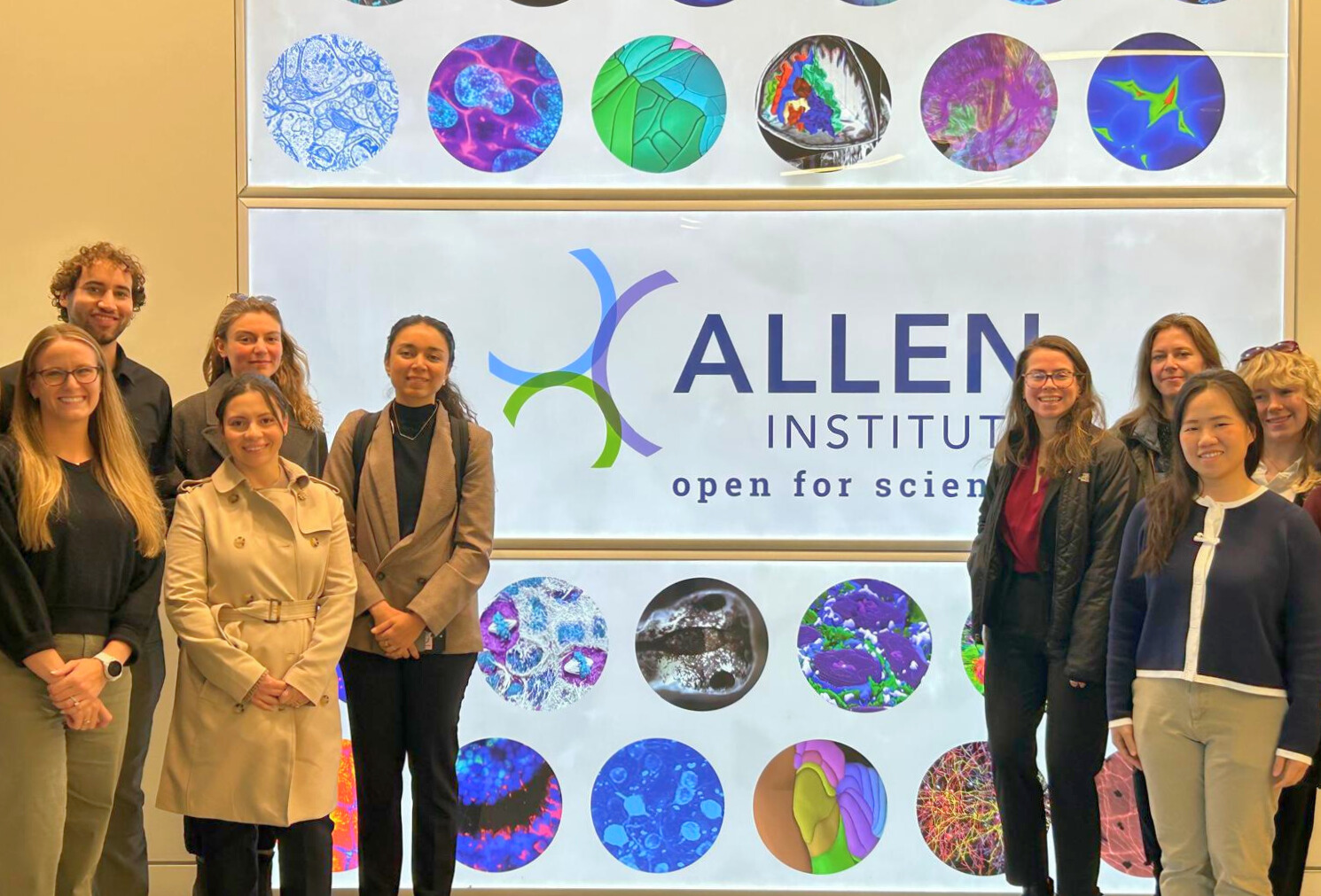
“I appreciated that our visits were to places that ranged from biotech startups to large-scale manufacturing sites and nonprofit academic institutions. All have a wide range of career opportunities and are tremendously important to health and biotech development,” said Michael Schleh, a postdoc in molecular physiology and biophysics. “Being immersed locally taught us employee expectations and hiring practices that are unique to the current labor climate and within the niche biotech scene in Seattle. Knowing these is a necessity for career transition and development.”
After a busy three days, the group returned to Nashville with new connections and a stronger sense of what industry jobs entail and how to begin navigating the job hunt. Zhengyi Chen, a Ph.D. candidate in chemical and physical biology, experienced this phenomenon. “After this trip, I now see the job search, networking, and application process as an exciting journey—a journey to meet great people, to better understand myself, to identify work cultures where I can belong and thrive, and to develop professional skills beyond my Ph.D. training,” she said.