As 2025 draws to a close, we reflect on the achievements and contributions to science made by the School of Medicine Basic Sciences community over the past year. SOMBS facilitates outstanding fundamental science research across four departments, two institutes, 10 centers, and 18 core facilities. The work of our faculty, trainees, staff, and collaborators has led to new discoveries that deliver tangible benefits to society.
Key moments from 2025
Recognitions
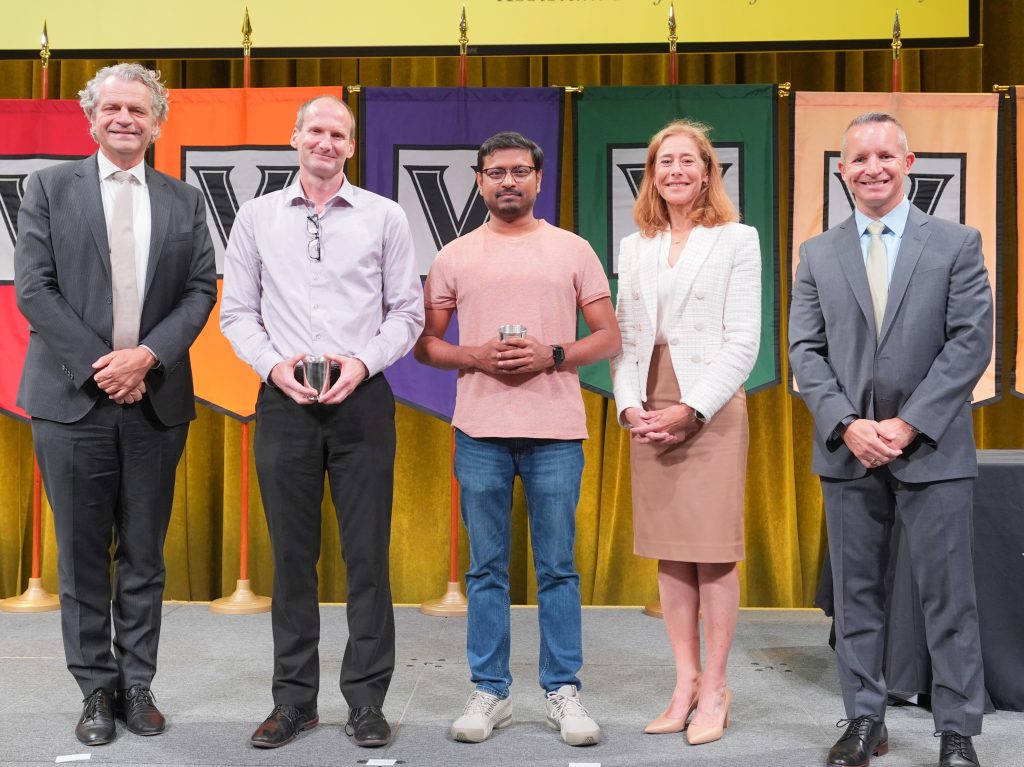
This year, SOMBS faculty were honored with many awards that celebrate their hard work, talent, and impact.
- Erin Calipari (Pharmacology) was recognized by the White House for the Presidential Early Career Award for Scientists and Engineers.
- Kathleen DelGiorno (Cell and Developmental Biology) landed the American Cancer Society Research Scholar Award to study therapeutic vulnerabilities in pancreatic cancer.
- Prashant Donthamsetti (Pharmacology) won the prestigious NIH Director’s Pioneer Award to advance addiction research.
- Heidi Hamm (Pharmacology) was elected a member of the National Academy of Sciences.
- Carrie Jones (Pharmacology) won the Wellcome Trust Discovery Award to combat opioid misuse and addiction.
- Shan Meltzer (Pharmacology) received the 2025 J. Herrick Award in Neuroanatomy from the American Association for Anatomy. She also received a prestigious Edward Mallinckrodt, Jr. Foundation Award.
- Lisa Monteggia (Pharmacology) and Matt Tyska (Cell and Developmental Biology) were named American Association for the Advancement of Science fellows.
Peer-reviewed publications

SOMBS faculty published more than 330 peer-reviewed articles in 2025, some of which we highlighted on our website.
- Lisa Monteggia (Pharmacology) and Ege Kavalali (Pharmacology) demonstrated that the antidepressant action of ketamine can be significantly extended after a single dose, avoiding repeated administration. The Kavalali lab also reported on how liquid-liquid phase separation plays a key role within the nanostructure of synapses. Nature Communications.
- Dylan Burnette’s lab (Cell and Developmental Biology) discoved blebbisomes, a new cellular compartment. The study was published in Nature Cell Biology.
- Warren Center for Neuroscience Drug Discovery researchers led by Craig Lindsley (Pharmacology) created a new compound to potentially treat negative and positive symptoms of schizophrenia. Published in the Journal of Medicinal Chemistry.
- Crucial research by Neil Osheroff (Biochemistry) and his lab led to the approval of the first new class of antibacterial drugs in decades.
- Mark Magnuson (Molecular Physiology and Biophysics) and Chris Wright (Cell and Developmental Biology) discovered how a critical protein shapes gallbladder formation. The research was published in Development.
Highlights
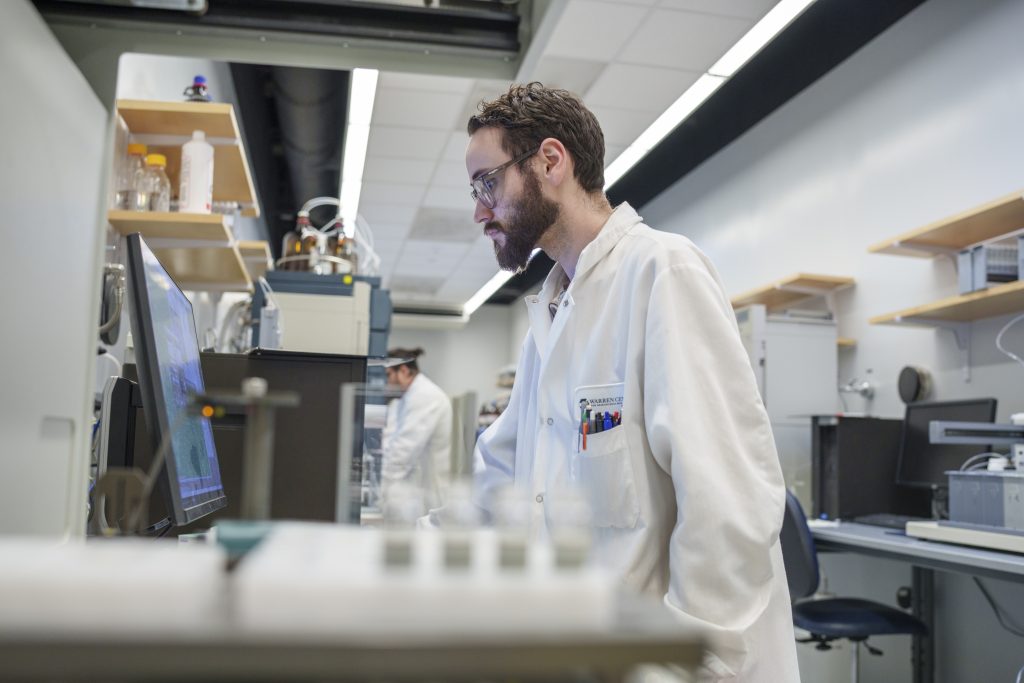
The following items highlight newsworthy SOMBS events and stories that took place this year.
- Researchers from the WCNDD and Japan’s Ono Pharmaceutical academic-industry partnership have delivered a powerful proof-of-concept: first-in-class TREK channel modulators with applications in pain relief and cognitive enhancement.
- Yi Ren’s (Biochemistry) journey as an international researcher was highlighted at the 2025 VIRAL research symposium.
- A new collaborative science project, diffUSE, involving Vanderbilt University, Cornell University, and the University of California, San Francisco, and led by the Astera Institutewill advance our understanding of protein motion.
- The Vanderbilt Brain Institute marked 25 years of discovery with its 2025 Brain Blast celebration.
- A new potential treatment for schizophrenia discovered through the WCNDD entered Phase 1 clinical trials, marking the fifth WCNDD therapeutic to advance into human testing.
- The Association of Research Libraries published an article about Vanderbilt research by Dylan Burnette(Cell and Developmental Biology) that redefines our understanding of how cells communicate.
Trainees and postdoctoral scholars
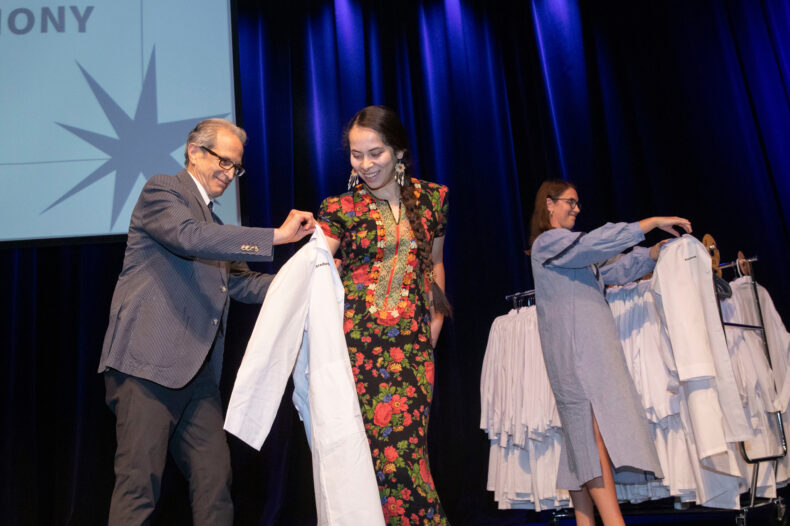
Seventeen graduate and 36 postdoctoral programs spanning the School of Medicine support 659 Ph.D. students and 309 postdoctoral fellows, respectively. The following are key highlights or accomplishments:
- The SOMBS named ten graduate students as recipients of the 2025 Dean’s Award for Exceptional Achievement in Graduate Studies.
- Medical Scientist Training Program trainees Atlee Witt, Ansley Kunnath, and Allie Lake were honored with prestigious E.O. Scholar Awards.
- The 2025 ASPIRE Annual Career Symposium, hosted by BRET, brought together graduate students and postdocs to explore the diverse spectrum of careers in biomedical science from professionals.
- Logan Northcutt (Cancer Biology, Julie Rhoades lab) was driven to fight cancer and support future scientists.
- Hannah Waterman (Molecular Physiology and Biophysics, Alan Cherrington lab) is studying morning insulin exposure and how it can be optimized to enhance the liver’s glucose uptake and glycogen storage during a subsequent meal, and Katherine Clowes Moster (Biochemistry, Chuck Sanders lab) is studying a voltage-gated potassium channel called KCNQ1.
- Cell and Developmental Biology trainees James Hayes (Dylan Burnette lab), Rekha Nagarajan (Matt Tyska lab), and James Costanzo (Vivian Gama lab) won the 2025 Life Is Beautiful Image Contesthosted by the SOMBS and the Cell Imaging Shared Resource.
- Maxime Chevée (Erin Calipari lab) was named Vanderbilt’s Postdoc of the Year, an award that recognizes a postdoctoral scholar who demonstrates excellence in research and scholarship.
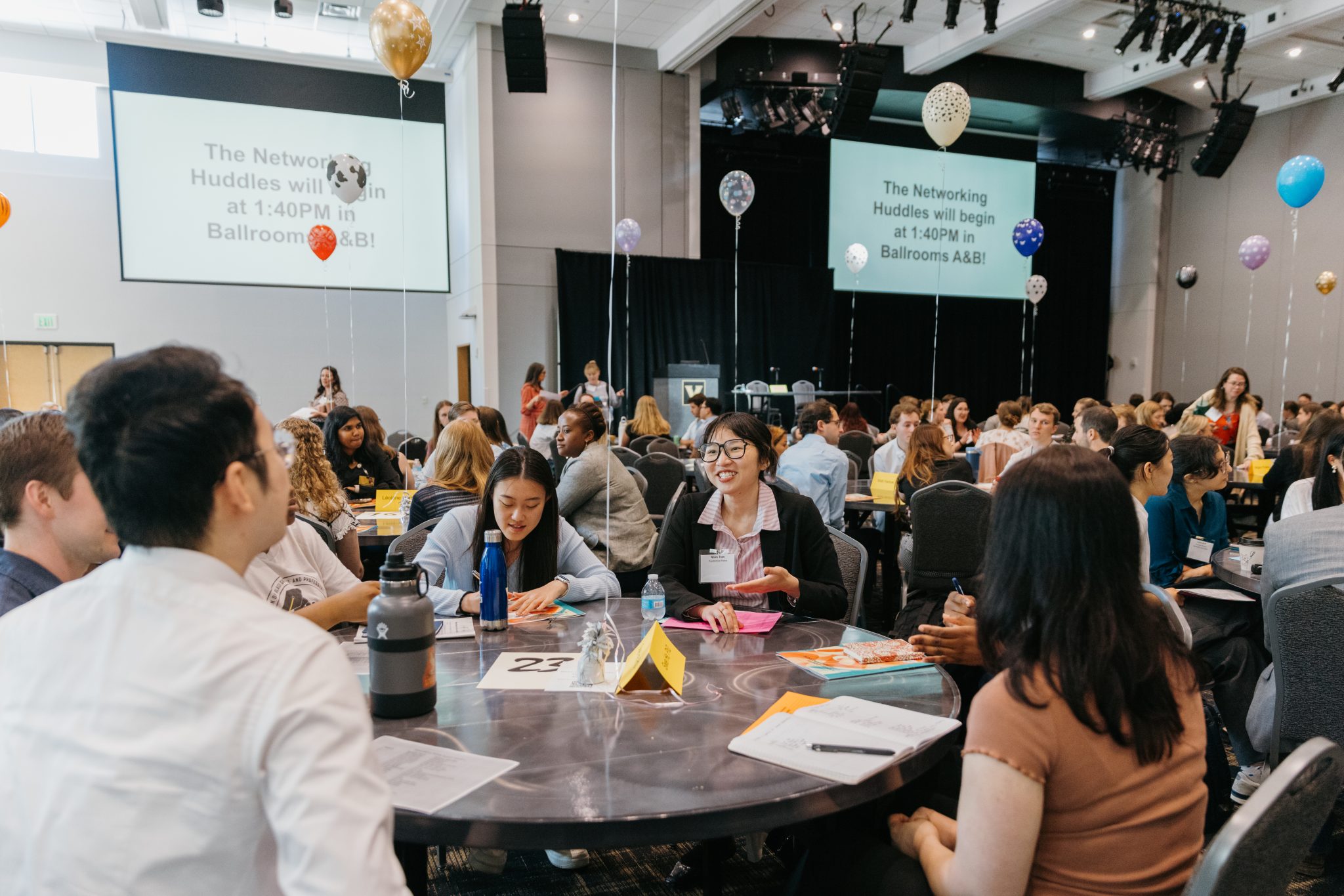
This year, 26 trainees received $2.2 million in extramural funding in the form of fellowships and awards, including from:
- American Heart Association: Richard Dolder (Human Genetics, Andrew Glazer lab) and Yiwen Wang (Molecular Pathology and Immunology, Luc Van Kaer lab)
- Howard Hughes Medical Institute: Mary Oliver (MPI, Julia Bohannon lab)
- Janssen Pharmaceuticals: Jamisha Francis (Microbe-Host Interactions, Jennifer Gaddy lab)
- National Cancer Institute: Emily Green (MPI, Dr. Nicholas Markham lab)
- National Graduate Degrees for Minorities in Engineering and Science, Inc. Consortium: Imani Douglas (IGP, now in Cell and Developmental Biology, Dr. Jennifer Sucre lab)
- National Heart, Lung, and Blood Institute: Matthew Dungan (MPI, Dr. Amanda Doran lab), Azuah Gonzalez (MPI, Dr. Amanda Doran lab)
- National Human Genome Research Institute: Kimberlyn Ellis (Human Genetics, Piper Below lab)
- National Institute of Allergy and Infectious Diseases: Ryan Fansler (MHI, Wenhan Zhu lab), Alejandra Flores (MHI, Kristen Ogden lab)
- National Institute of Diabetes and Digestive and Kidney Diseases and the Diabetes Research Connection: Lindsay Bass (MPI, Rachel Bonami lab)
- National Institute on Deafness and Other Communication Disorders: Alyssa Scartozzi (Human Genetics, Piper Below lab)
- National Institutes of Health: Joseph Benthal (Human Genetics, Michele Southard-Smith lab), Georgia Caso (MHI, Dr. Timothy Cover lab), Jeanette Critchlow (MHI, Erik Skaar lab), Jaclyn Eissman (Human Genetics, Timothy Hohman lab), Lauren Emmerson (Chemical and Physical Biology, Jeffrey Spraggins), Hwi Gil (MPI, Janet Markle lab), Dalton Greenwood (MPI, Jeff Rathmell lab), Grace Morales (MHI, Maria Hadjifrangiskou lab), Rachael Sinard (MPI, John Wilson lab), Mackenzie Smith (MPI, Kristin Patrick lab)
- Wheaton College (Julia R. Lange Fellowship): Christopher Taranto (Cancer Biology, Kathleen DelGiorno lab)
Funding
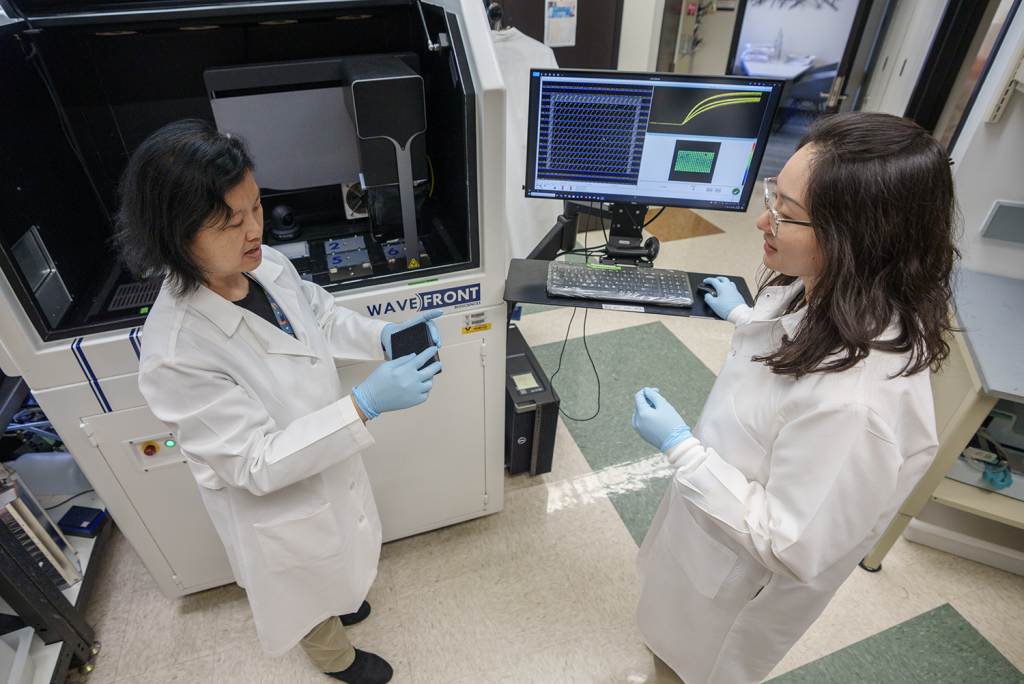
SOMBS faculty secured more than $20 million from industry partnerships and $77 million in federal funding. Individual faculty earned a variety of grants to fund their research:
- Chuck Sanders (Biochemistry) received an award from NHLBI to study congenital long-QT syndrome, a genetic disorder of heart rhythm that carries an elevated risk of sudden death.
- Ken Lau (Cell and Developmental Biology) and Jeff Spraggins were awarded a grant from the NCI to construct a three-dimensional molecular atlas to study the progression trajectories of colorectal cancer across different ages of onset.
- Robert Coffey (Cell and Developmental Biology) and Ken Lau lead a Specialized Programs of Research Excellence (SPORE) grant for colorectal cancer research that was renewed this year. The research team includes Stephen Fesik (Biochemistry) and Bill Tansey (Cell and Developmental Biology).
- Erin Calipari (Pharmacology) was awarded a National Institute on Alcohol Abuse and Alcoholism grant to support alcohol use disorder research and community outreach by the Vanderbilt AUD Research and Education Center. She was also awarded a grant from NIDA to develop new pharmacotherapies to treat cocaine use disorder.
- David Cortez (Biochemistry) received funding from the NCI to study the development of ATR pathway inhibitors as effective cancer therapies. He also received a National Institute of Environmental Health Sciences grant with the goal of providing a molecular understanding of how cells manage a common form of DNA damage that is formed in response to many environmental agents.
- Julio Ayala (Molecular Physiology and Biophysics) was awarded a NIDDK grant to better understand how GLP-1 receptor agonists help people with diabetes and obesity.
- Bruce Carter (Biochemistry) was awarded a National Institute of Neurological Disorders and Stroke grant to enhance our understanding of the causes and progression of pathologies that negatively impact the nervous system’s structure.
- Chin Chiang (Cell and Developmental Biology) received a NINDS grant for the study of cerebellar development disorders to provide a foundation for understanding and treatment of neurological diseases.
- Jeffrey Conn (Pharmacology) and Colleen Niswender (Pharmacology) were funded by the National Institute of Mental Health to determine if neurotransmitter receptors mGlu3/mGlu5 communication occurs in a specific population of neurons in the prefrontal cortex, a brain region that is involved in cognitive deficits in schizophrenia patients.
Technology transfer and commercialization

SOMBS research drives innovation in the marketplace, generating revenue that supports future research activities, while having a positive impact on society as indicated by the following stats as of November 10, 2025:
- License agreements executed: 24
- S. patent applications filed: 58
- S. patent applications issued: 10
- Disclosures received: 47
- Startups: 2
New leadership, appointments and promotions
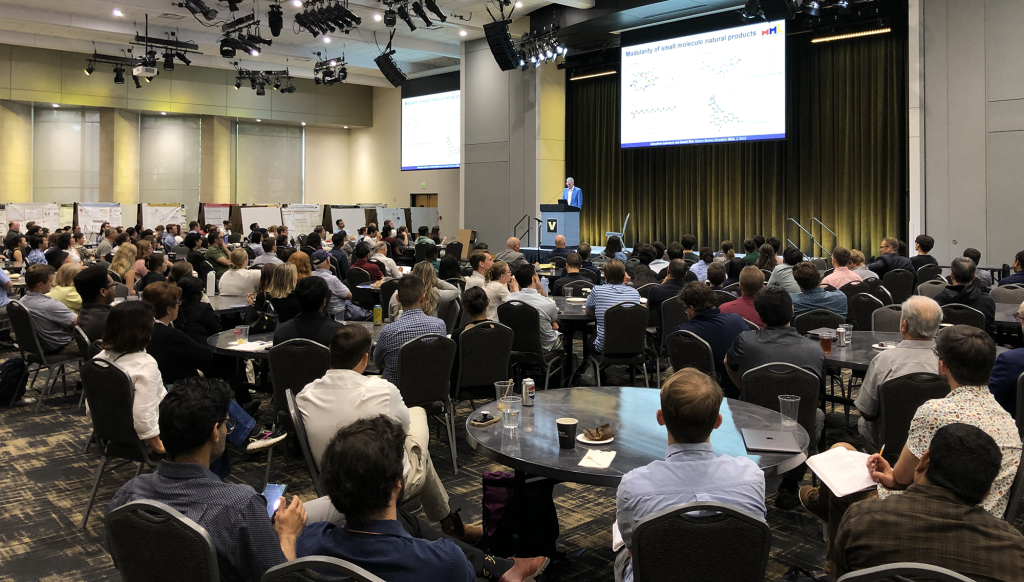
In 2025, the SOMBS gained new talent and recognized hard work through leadership and faculty appointments and promotions.
- New leadership
- Maria Hadjifrangiskou (Pathology, Microbiology and Immunology) was appointed senior assistant dean of BRET.
- Madhvi Venkatesh (Biochemistry) was named director of the Vanderbilt IGP.
- Mark Magnuson (Molecular Physiology and Biophysics) was named senior associate dean for research for the SOMBS.
- Doug Mitchell (Biochemistry) was named director of the Vanderbilt Institute of Chemical Biology.
- William Tansey (Cell and Developmental Biology) was named associate director for Shared Resources for the Vanderbilt-Ingram Cancer Center.
- Appointments
- Biochemistry
- Doug Mitchellwas appointed professor.
- Kristin Patrick and Ivelin Georgiev were appointed associate professor.
- Chance Meers, Stephanie Richards, and Sabrina Woods were appointed assistant professors.
- Kwang-Ho Kim and Erman Karasu were appointed research associate professors.
- Cell and Developmental Biology
- John Kuriyan was appointed professor.
- Krishna Mudumbiwas appointed assistant professor.
- Katerina Djambazova was appointed research instructor.
- Molecular Physiology and Biophysics
- Carlos Oliver and Nathan Winn were appointed assistant professors.
- Qian Yang was appointed research instructor.
- Pharmacology
- Maxime Chevée was appointed research instructor.
- Promotions
- Biochemistry
- John York was given the title of emeritus professor of biochemistry.
- Yi Ren and Ray Blind were promoted to associate professors.
- Emily Hodges was promoted to associate professor with tenure.
- Cell and Developmental Biology
- Melissa Farrow and Alaina Willet were promoted to research associate professors.
- Molecular Physiology and Biophysics
- Qingyu Tang was promoted to research assistant professor.
- Nancy Carrasco was given the title of University Distinguished Professor.
- Pharmacology
- Ann Richmond was given the title of emerita professor.
- Megan Williams was promoted to assistant professor.
- Ray Blind was promoted to associate professor.
- Colleen Niswender was promoted to associate professor with tenure.
- Biochemistry
- Biochemistry
This is only a small sample of the accomplishments and successes of the School of Medicine Basic Sciences in 2025. To explore more, visit our website.