Marissa Shapiro
-
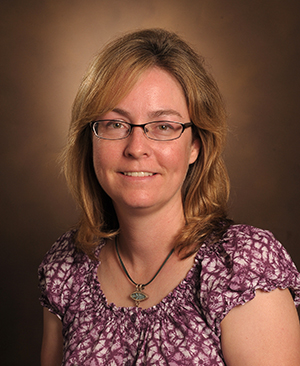
Niswender receives Nicholas Hobbs Discovery Award to test a new therapeutic approach for Rett Syndrome
Niswender’s project seeks to understand why levels of mGlu7 are reduced in Rett syndrome and to test a new therapeutic approach using DNA molecules to restore those levels. This work could pave the way for new drug therapies to address symptoms of Rett syndrome and related disorders, while also advancing advocacy and visibility for these conditions in the scientific community. Read MoreNov. 20, 2025
-

Six Basic Sciences faculty among this year’s ‘highly cited’ researchers
They are among 6,868 scientists worldwide whose papers rank in the top 1% by citations for their fields of research and publication year in the Web of Science Core Collection over the past 11 years. Read MoreNov. 20, 2025
-
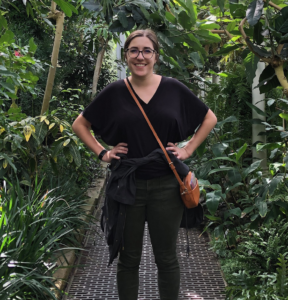
Kate Clowes Moster wins the 2026 Dr. Anne Karpay Award in Structural Biology
Kate is a graduate student in the Biochemistry Graduate Program and a member of the Sanders lab since 2020. Her research focuses on the potassium channel KCNQ1 and mutations that cause a cardiac disorder called type 1 long QT syndrome (LQT1). Sanders lab researchers have determined that mistrafficking is a common cause of KCNQ1 dysfunction in LQT1. Kate’s effort to search for small molecules that might remedy this mistrafficking provides an early foundation for possible drug discovery efforts to treat LQT1 and related cardiac disorders. Read MoreNov. 17, 2025
-
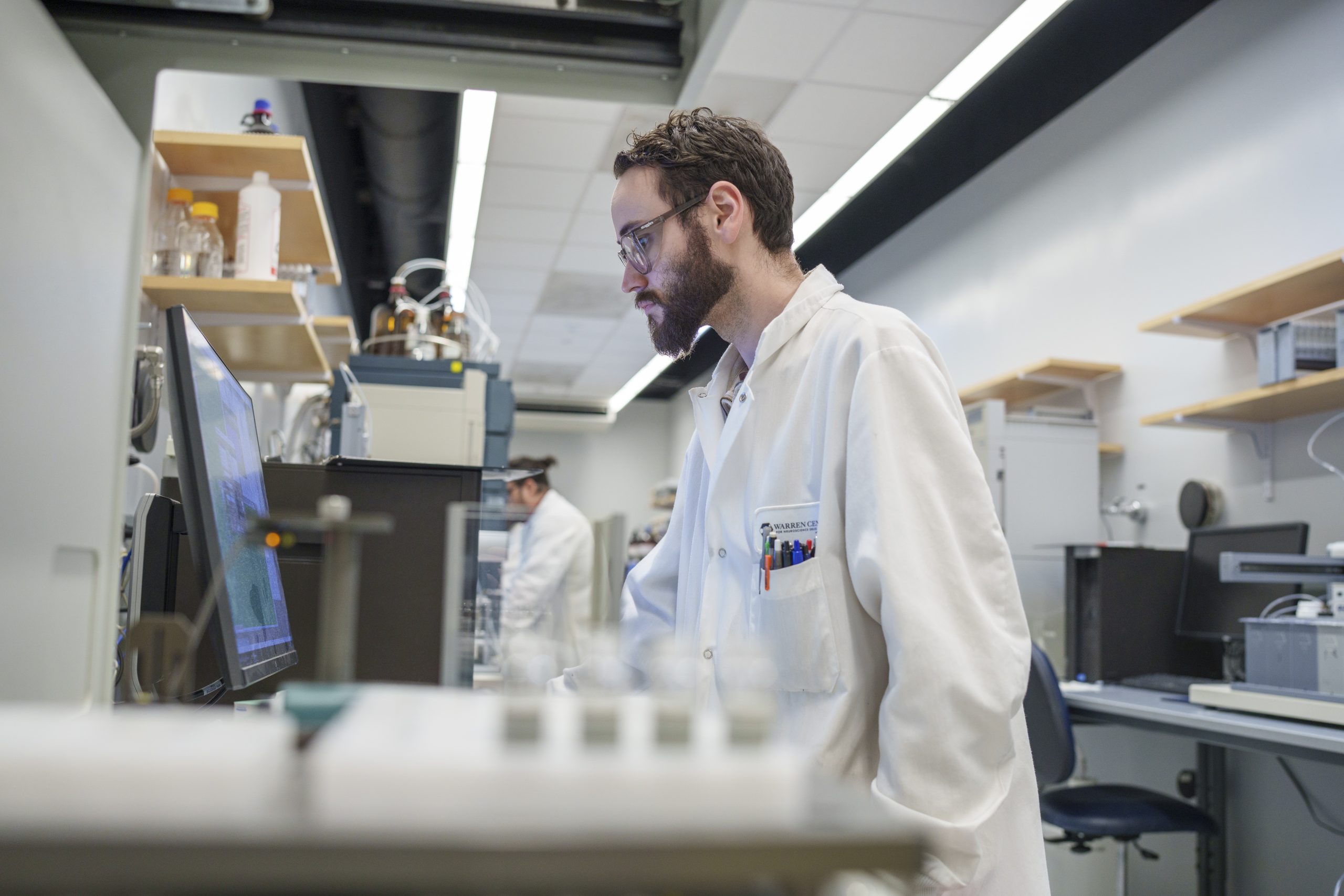
Second schizophrenia treatment discovered at Vanderbilt’s Warren Center enters phase I clinical trial
A new potential treatment for schizophrenia discovered through the Warren Center for Neuroscience Drug Discovery at Vanderbilt University has entered phase 1 clinical trials, marking the fifth WCNDD therapeutic to advance into human testing. Read MoreNov. 12, 2025
-
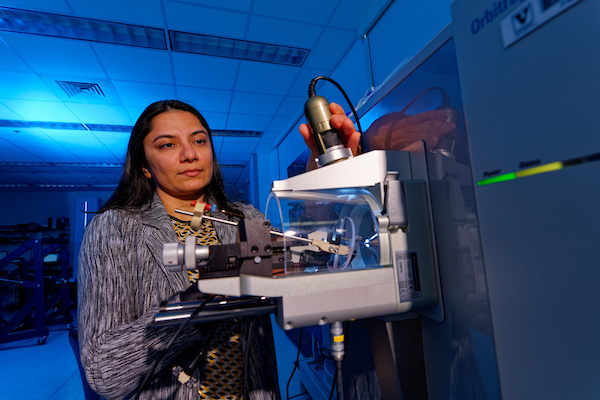
Richard Caprioli Basic Sciences Research Award for Technology Education Fund established, now accepting applications
To honor and continue the legacy of Richard Caprioli, Ph.D., Stanford Moore Chair in Biochemistry and Director Emeritus of the Mass Spectrometry Research Center, the Richard Caprioli Basic Sciences Research Award for Technology Education Fund was established to allow Vanderbilt University Ph.D. students in the School of Medicine to pursue an opportunity to obtain hands-on training and education in one or more new technologies outside of those obtained in their graduate research training. The scholarship will be awarded to a Ph.D. student to enhance the approach to their research program. Read MoreNov. 11, 2025
-
Vanderbilt leaders in filling the biomedical research pipeline shine at national meeting
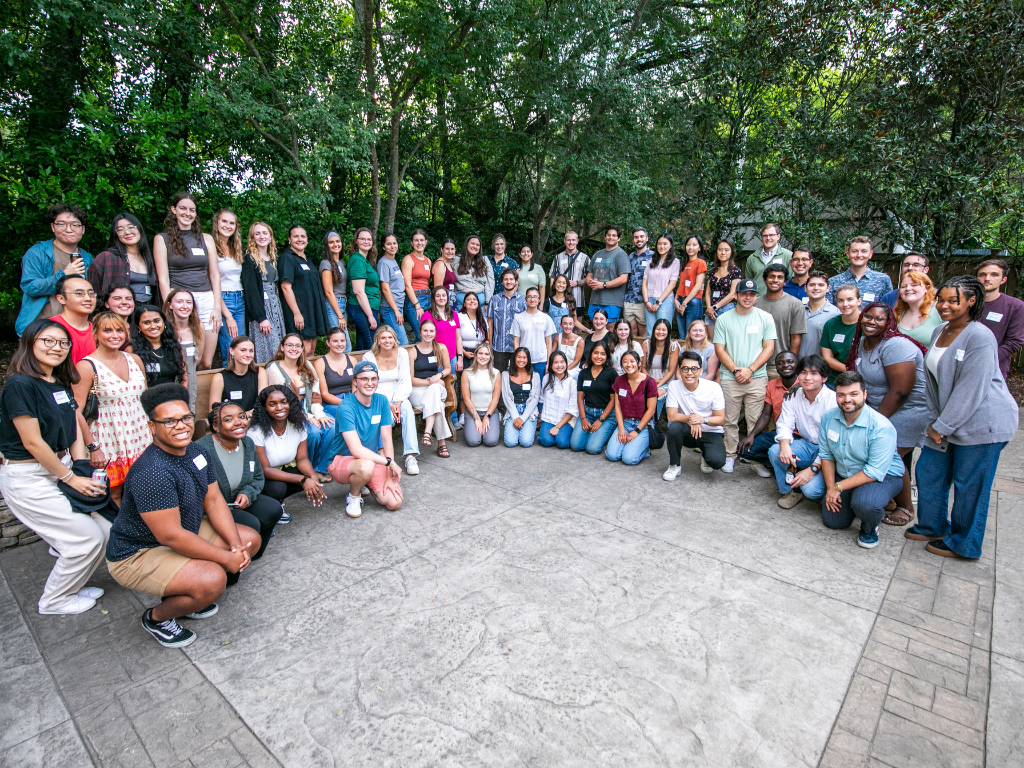
Vanderbilt has been training physician-scientists for more than 60 years. Many graduates have gone on to leadership positions in academia, government, industry and clinical practice. Read MoreOct. 16, 2025
-
Vanderbilt Prize recipient calls for a new science of resilience
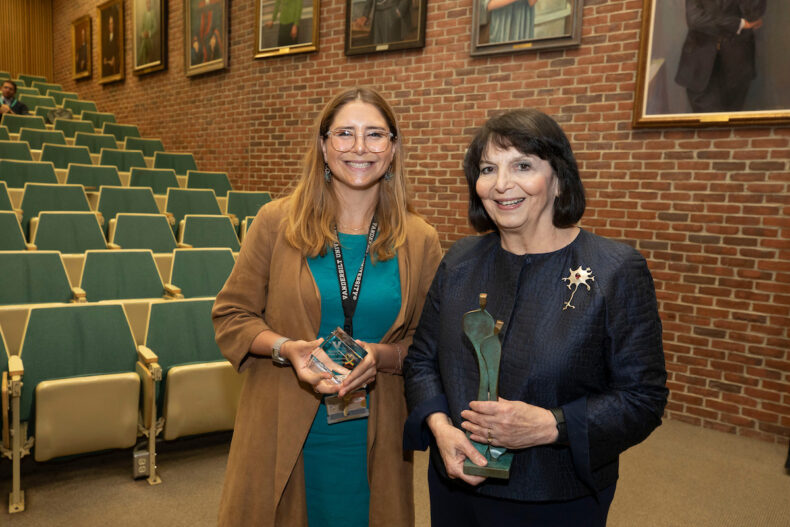
Prior to Akil’s remarks, the 2025 Vanderbilt Prize Student Scholar, Kimberly Bress, an MD-PhD candidate mentored by Akil, briefly described her dissertation research, which applies functional magnetic resonance imaging to study facial expressions (nonverbal communication) in people with autism spectrum disorder. Read MoreOct. 16, 2025
-

NIH grant renewal signals bright outlook for Vanderbilt vision research
The Vanderbilt Vision Research Center was founded in 1989 and secured the National Eye Institute core grant that still supports it; the grant will provide approximately $3.3 million over the current five-year funding period. Read MoreOct. 16, 2025
-

Free access to Overleaf Professional, collaborative tool that streamlines scientific writing
Overleaf is a web-based LaTeX code editor that enables users to write, edit and publish scientific documents. It simplifies the creation of complex documents with precise layouts by incorporating equations, figures and bibliographies seamlessly, making it ideal for structured writing and eliminating the need to install LaTeX software locally. It is now available to Vanderbilt students, faculty and staff free of charge. Read MoreOct. 13, 2025
-
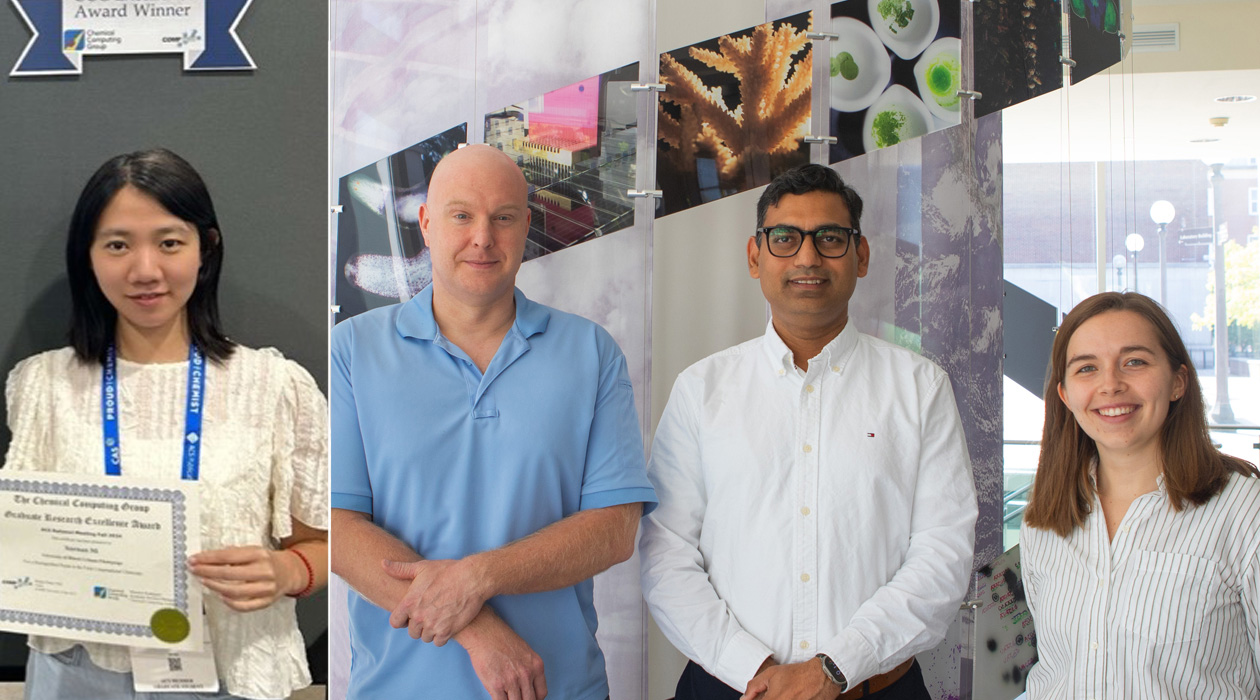
Learning the language of lasso peptides to improve peptide engineering
In the hunt for new therapeutics for cancer and infectious diseases, lasso peptides prove to be a catch. Their knot-like structures afford these molecules high stability and diverse biological activities, making them a promising avenue for new therapeutics. To better unleash their clinical potential, a team co-led by Doug Mitchell developed LassoESM, a new large language model for predicting lasso peptide properties. Read MoreOct. 9, 2025