Home Page
-
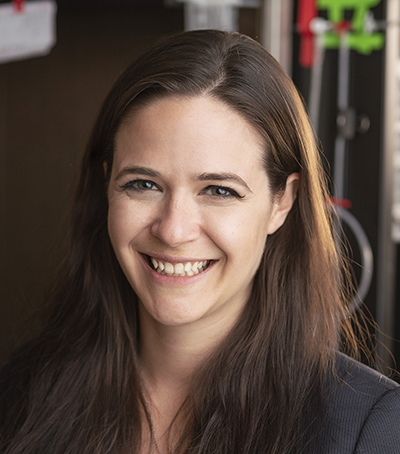
Erin Calipari receives ACNP’s Daniel H. Efron Research Award
With novel insights in understanding and treating substance use disorder that have redirected neuropsychopharmacological dogma, Erin Calipari receives award from the American College of Neuropsychopharmacology. Read MoreDec. 1, 2025
-
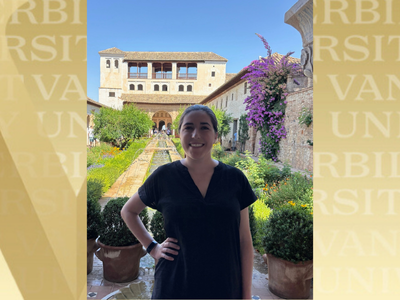
Trainee Tribute: Katherine Clowes Moster
Meet Katherine Clowes Moster, a trainee in the lab of Chuck Sanders in the Department of Biochemistry. Read MoreDec. 1, 2025
-
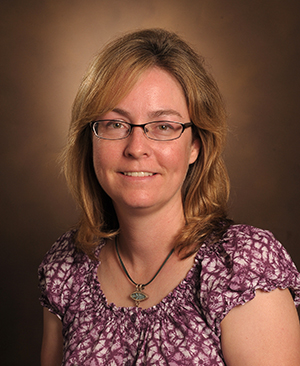
Niswender receives Nicholas Hobbs Discovery Award to test a new therapeutic approach for Rett Syndrome
Niswender’s project seeks to understand why levels of mGlu7 are reduced in Rett syndrome and to test a new therapeutic approach using DNA molecules to restore those levels. This work could pave the way for new drug therapies to address symptoms of Rett syndrome and related disorders, while also advancing advocacy and visibility for these conditions in the scientific community. Read MoreNov. 20, 2025
-

Six Basic Sciences faculty among this year’s ‘highly cited’ researchers
They are among 6,868 scientists worldwide whose papers rank in the top 1% by citations for their fields of research and publication year in the Web of Science Core Collection over the past 11 years. Read MoreNov. 20, 2025
-
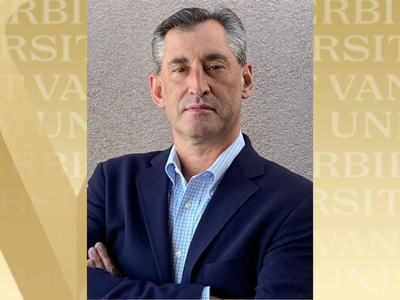
Alum Answers with Dave Vigerust
For our latest Alum Answers feature, meet Dave Vigerust, PhD’04, who trained as a scientist in Vanderbilt’s IGP umbrella program and then in the Cellular and Molecular Pathology program. He has spent his career interfacing between basic research and the clinic and is now the chief scientific and strategy officer of three companies. Read MoreNov. 20, 2025
-
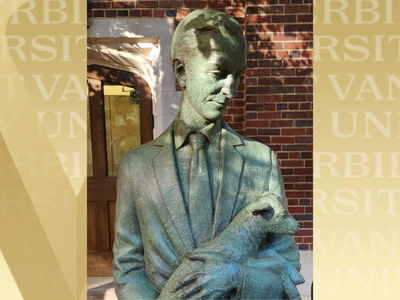
Three fainting goats and a magic cow: A Thanksgiving conversation
Long-time collaborators and friends Chuck Sanders and Dr. Al George sat down for a Thanksgiving conversation focused on fainting goats, sacred cows, and disordered muscles in humans. Read MoreNov. 19, 2025
-
Kate Clowes Moster wins the 2026 Dr. Anne Karpay Award in Structural Biology
Kate is a graduate student in the Biochemistry Graduate Program and a member of the Sanders lab since 2020. Her research focuses on the potassium channel KCNQ1 and mutations that cause a cardiac disorder called type 1 long QT syndrome (LQT1). Sanders lab researchers have determined that mistrafficking is a common cause of KCNQ1 dysfunction in LQT1. Kate’s effort to search for small molecules that might remedy this mistrafficking provides an early foundation for possible drug discovery efforts to treat LQT1 and related cardiac disorders. Read MoreNov. 17, 2025
-
School of Medicine Basic Sciences Staff Spotlight: Josh Luffman
Meet Josh Luffman, construction and project manager in the facilities, infrastructure and risk management group within the School of Medicine Basic Sciences. Read MoreNov. 13, 2025
-
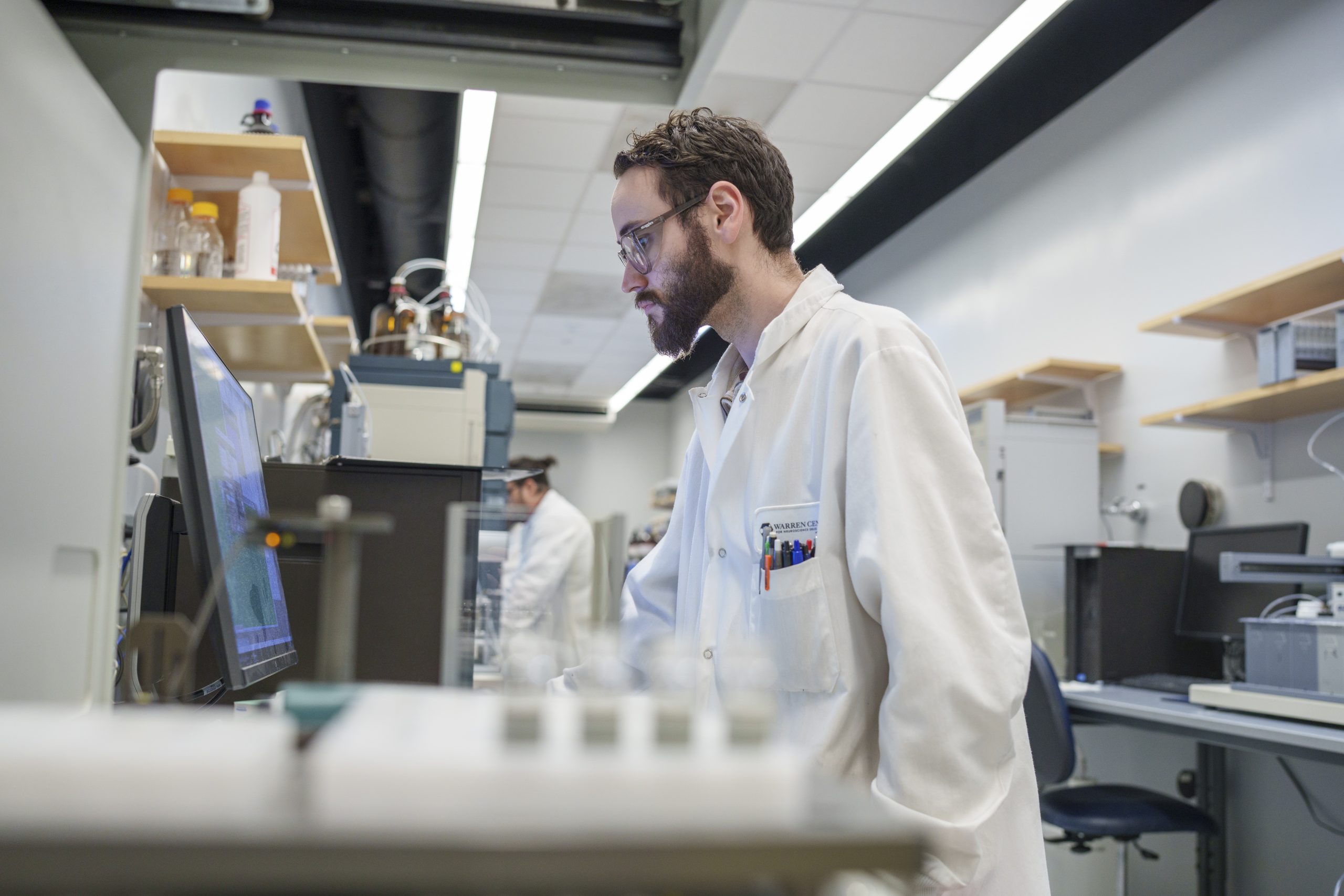
Second schizophrenia treatment discovered at Vanderbilt’s Warren Center enters phase I clinical trial
A new potential treatment for schizophrenia discovered through the Warren Center for Neuroscience Drug Discovery at Vanderbilt University has entered phase 1 clinical trials, marking the fifth WCNDD therapeutic to advance into human testing. Read MoreNov. 12, 2025
-
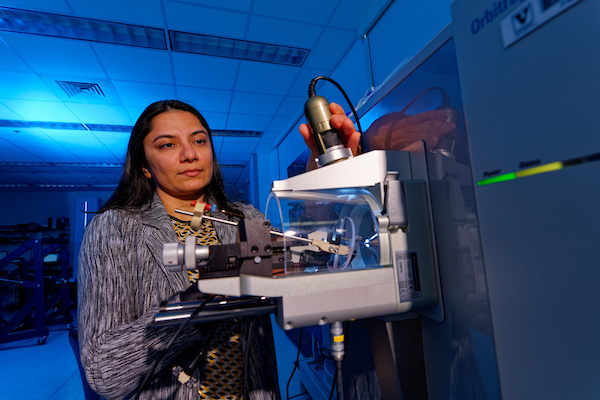
Richard Caprioli Basic Sciences Research Award for Technology Education Fund established, now accepting applications
To honor and continue the legacy of Richard Caprioli, Ph.D., Stanford Moore Chair in Biochemistry and Director Emeritus of the Mass Spectrometry Research Center, the Richard Caprioli Basic Sciences Research Award for Technology Education Fund was established to allow Vanderbilt University Ph.D. students in the School of Medicine to pursue an opportunity to obtain hands-on training and education in one or more new technologies outside of those obtained in their graduate research training. The scholarship will be awarded to a Ph.D. student to enhance the approach to their research program. Read MoreNov. 11, 2025