Research News And Discoveries
-
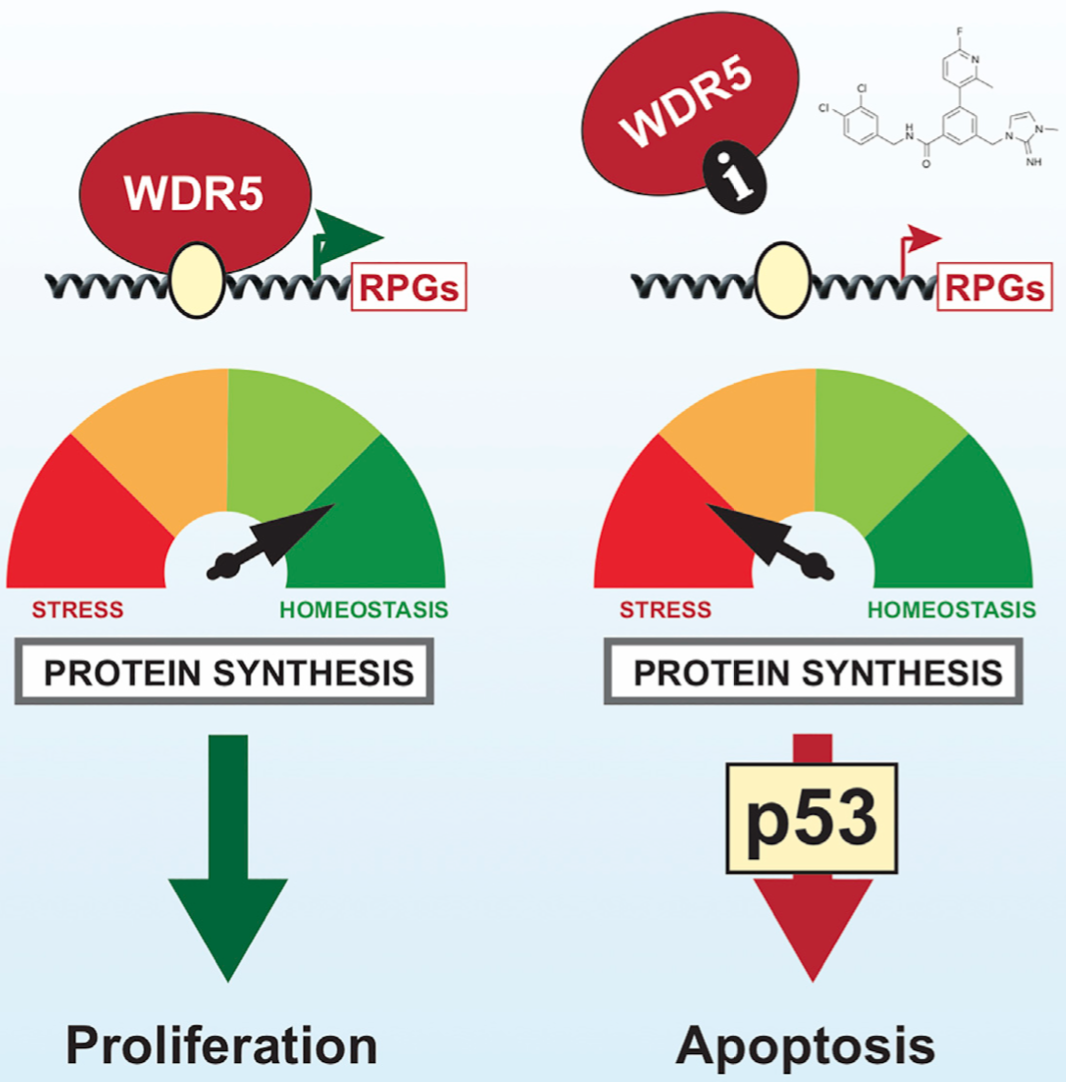
Targeting the WIN Site of WDR5
Proposed mechanism of WIN site inhibition. The inhibitor (i) binds to the WIN site of WDR5, displacing it from its binding site on chromatin. A major result is a decrease in transcription of genes encoding ribosomal proteins (RPGs), leading to a disruption of protein synthesis, the nucleosomal stress response, and… Read MoreMarch 21, 2019
-

Correctly copying DNA
Mar. 14, 2019, 11:45 AM by Sanjay Mishra The enzyme topoisomerase II resolves topological roadblocks that form during the copying and expression of genetic material by generating double-stranded breaks in one DNA segment, transporting another DNA segment through the break, and rejoining the two ends. Tight regulation of the DNA breakage/rejoining… Read MoreMarch 15, 2019
-

New way to stimulate learning?
Mar. 14, 2019, 1:00 PM by Bill Snyder The vagus nerve connects the brain and organs throughout the body. Vagus nerve stimulation (VNS) implants have been used for more than 20 years to treat drug-resistant epilepsy. In a study published in the Journal of Neuroscience,… Read MoreMarch 15, 2019
-

Reprogramming cells for kidney repair
Mar. 14, 2019, 10:45 AM by Kelsey Herbers Chronic kidney disease is on the rise worldwide. Approaches to develop regenerative or cellular therapies are hindered by the complex cellular structure of the kidney, which is composed of about 1 million microscopic “filters” called nephrons. Lauren Woodard, PhD, and… Read MoreMarch 15, 2019
-
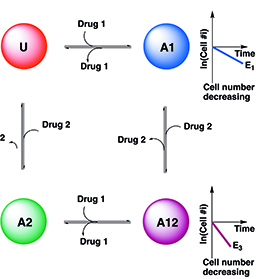
In Search of Synergy
In recent years, the number of complex diseases such as cancer and drug resistant infections that are treated with multiple drugs has rapidly increased. Through combining drugs, one hopes to obtain synergy either by increasing potency (so the desired effect can be achieved with lower drug doses) or increasing efficacy… Read MoreMarch 15, 2019
-

Vanderbilt scientists report new modeling of brain signaling
Mar. 7, 2019, 12:12 PM (AdobeStock) by Bill Snyder The release of neurotransmitters and hormones in the body is tightly controlled by complex protein machinery embedded in cell membranes. Manipulating that machinery with drugs could improve treatment of disorders ranging from diabetes to Parkinson’s disease. Progress has been slow, however,… Read MoreMarch 7, 2019
-
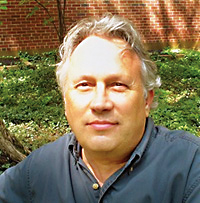
Vanderbilt mourns cancer researcher Stephen Hann
Mar. 7, 2019, 11:57 AM by Leigh MacMillan Stephen Hann, PhD, professor of Cell and Developmental Biology, died Feb. 27. He was 67. Dr. Hann was born Dec. 11, 1951, in Beech Grove, Indiana. He earned his undergraduate degree from the University of California, Berkeley, in 1974 and his PhD… Read MoreMarch 7, 2019
-

Achilles’ heel for kidney cancer
Feb. 28, 2019, 3:35 PM by Meredith Jackson Renal cell carcinoma (RCC) is an aggressive form of kidney cancer that tends to recur even after treatment with targeted cancer therapies or immunotherapies. One commonly mutated pathway in RCC and in all cancers is the PI3K-AKT signaling axis. P13K and AKT enzymes… Read MoreMarch 7, 2019
-
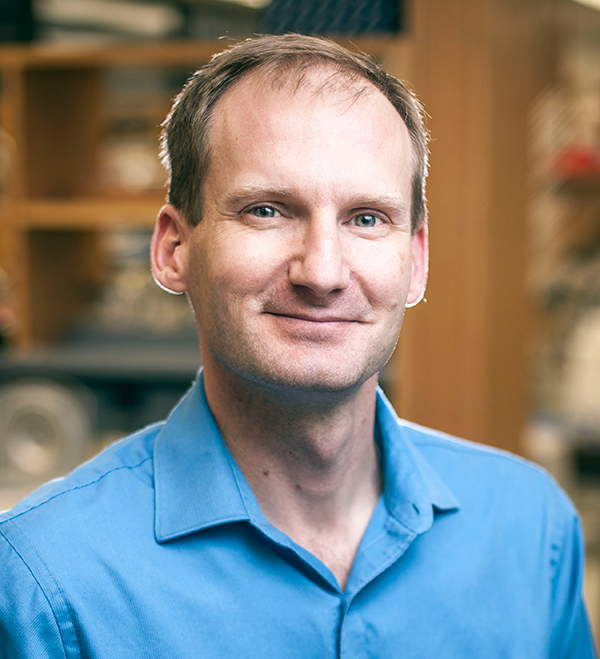
Novel DNA repair mechanism preserves genome integrity: study
by Leigh MacMillan As David Cortez, PhD, tells the story of his research team’s latest discovery, he shakes his head in disbelief. “I’m just astounded,” said Cortez, Ingram Professor of Cancer Research and professor of Biochemistry. The investigators, led by postdoctoral fellow Kareem Mohni,… Read MoreMarch 1, 2019
-

Activation of ATR for Distinct Signaling Functions
Reproduced under the Creative Commons Attribution Noncommercial Share Alike 4.0 International License from T. E. Bass and D. Cortez, (2019) J. Cell Biol., published February 12, DOI: 10.1083/jcb.201810058. Copyright 2019, Bass & Cortez. ATR (ataxia telangiectasia-mutated and Rad3-related) is a kinase well known for its role in the DNA damage… Read MoreFebruary 20, 2019