Uncategorized
-
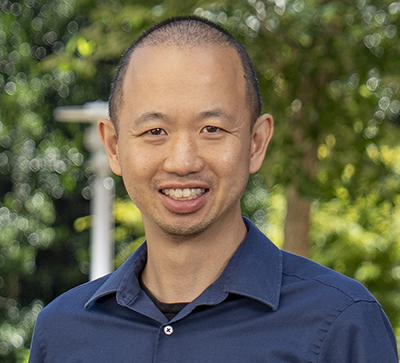
C. difficile may contribute to colorectal cancer: study
The bacterium Clostridioides difficile (C. difficile), which causes severe diarrhea and an estimated 400,000 infections annually in the United States, may be a previously unrecognized contributor to colorectal cancer. The findings from human colon cancer specimens, culturing, and mouse models were reported last month by researchers at Johns Hopkins… Read MoreJuly 28, 2022
-
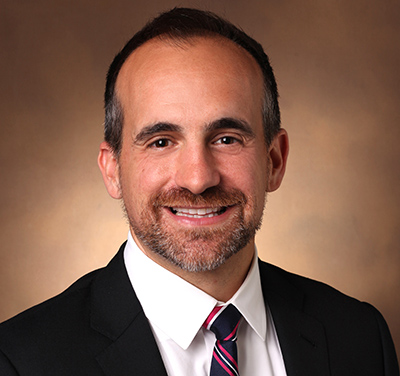
Mathers Foundation award supports study of crosstalk between skeletal, immune systems
Jim Cassat, MD, PhD, associate professor of Pediatrics, Pathology, Microbiology and Immunology, and Biomedical Engineering, has received a three-year, $750,000 award from the G. Harold and Leila Y. Mathers Foundation to support research exploring the interplay between bone homeostasis and infectious disease. The Mathers… Read MoreJuly 8, 2022
-
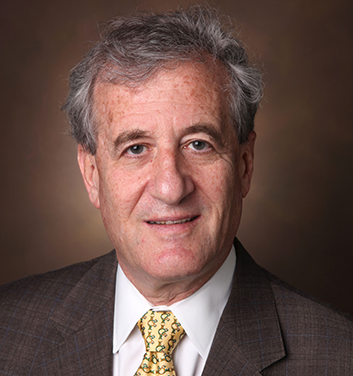
BioVU celebrates 15 years supporting personalized medicine
In 2003, Dan Roden, MD, then director of the Division of Clinical Pharmacology at Vanderbilt University Medical Center, imagined a large-scale biobank integrated with electronic health records to help doctors “personalize” medical care for their patients. That vision became BioVU, today one of the world’s largest biobanks, with… Read MoreJune 9, 2022
-

Six biomedical Ph.D. students awarded prestigious NSF Graduate Research Fellowships
From left to right, top to bottom: Minna Apostolova, Blake Baleami, Andreanna Burman, Drew Dixson, Kevin McCarty, Teresa Piedad Torres, Jose Zepeda, Kaeli Bryant, Julissa Burgos, Heather Hartmann, Reese Martin, Zach Sanchez. By Emily Overway The National Science Foundation Graduate Research Fellowship Program… Read MoreMay 10, 2022
-
Melanoma treatment response
Although targeted therapies have been developed for melanoma patients, tumor progression eventually results. Understanding characteristics of melanoma associated with treatment resistance is important for prolonging therapy effectiveness. In a retrospective study of patients treated with BRAF and/or MEK inhibitors, Chi Yan, PhD, Ann Richmond, PhD, and… Read MoreFebruary 25, 2022
-
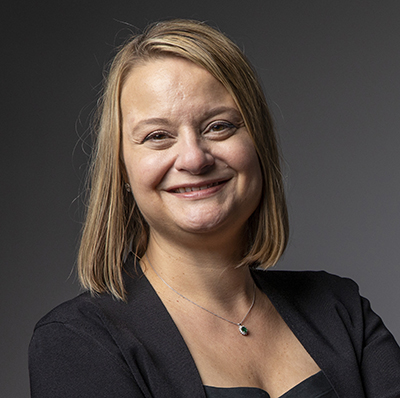
Monteggia appointed co-editor for Neuropsychopharmacology
By Aaron Conley Lisa Monteggia, Ph.D. Barlow Family Director of the Vanderbilt Brain Institute and acclaimed neuroscientist Lisa Monteggia was named incoming co-principal editor, along with Dr. Tony George from the University of Toronto, of the journal Neuropsychopharmacology. Their appointments begin… Read MoreFebruary 8, 2022
-
New Awards Announced for Postdoctoral Scholars in Biochemistry
By Dave Cortez and Aaron Conley The Department of Biochemistry at Vanderbilt University School of Medicine Basic Sciences announced new annual awards for postdoctoral scholars called the Destination Biochemistry Postdoctoral Scholar Awards. These awards will support exceptional postdoctoral fellows from around the world as they join labs in the Department… Read MoreJanuary 10, 2022
-

Burkewitz awarded $100,000 to conduct longevity research at the cellular level
Kristopher Burkewitz, assistant professor of cell and developmental biology, has been awarded $100,000 from the American Federation for Aging Research and the Glenn Foundation for Medical Research… Read MoreNovember 22, 2021
-
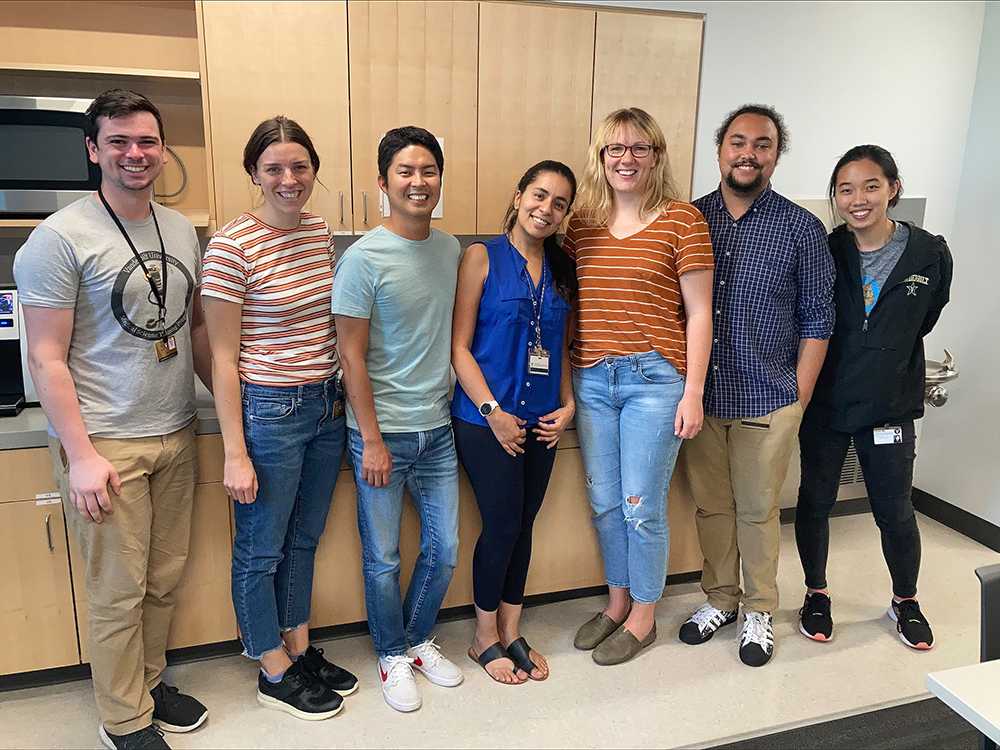
In memory of Zach Jones
By Mariana Byndloss If I could define Zach in one word, it would be LIGHT. Zach brought LIGHT to the world around him with his kindness, open mind and his way of accepting others and always seeing the good in people. And the funniest thing about it is that… Read MoreSeptember 24, 2021
-
Unveiling the life cycle of a microvillus
By Colbie Chinowsky The surface of the intestinal tract is the sole site of nutrient absorption—a life-sustaining process—and disturbances to this tissue have the potential for deadly consequences. The small intestine has evolved a variety of structures that maximize the surface area available for nutrient uptake, including microvilli, fingerlike projections… Read MoreSeptember 18, 2021