Cell And Developmental Biology
-

Study challenges traditional assumptions about gut inflammation and Crohn’s disease
A new study reveals mechanistic underpinnings of Crohn’s disease, including some vulnerabilities within the ascending colon. This work challenges the assumption that all regions of the gut respond similarly to inflammation, argues for region-specific treatments for the disease, and highlights a potential new target for treatment within the ascending colon. Read MoreFeb. 18, 2026
-
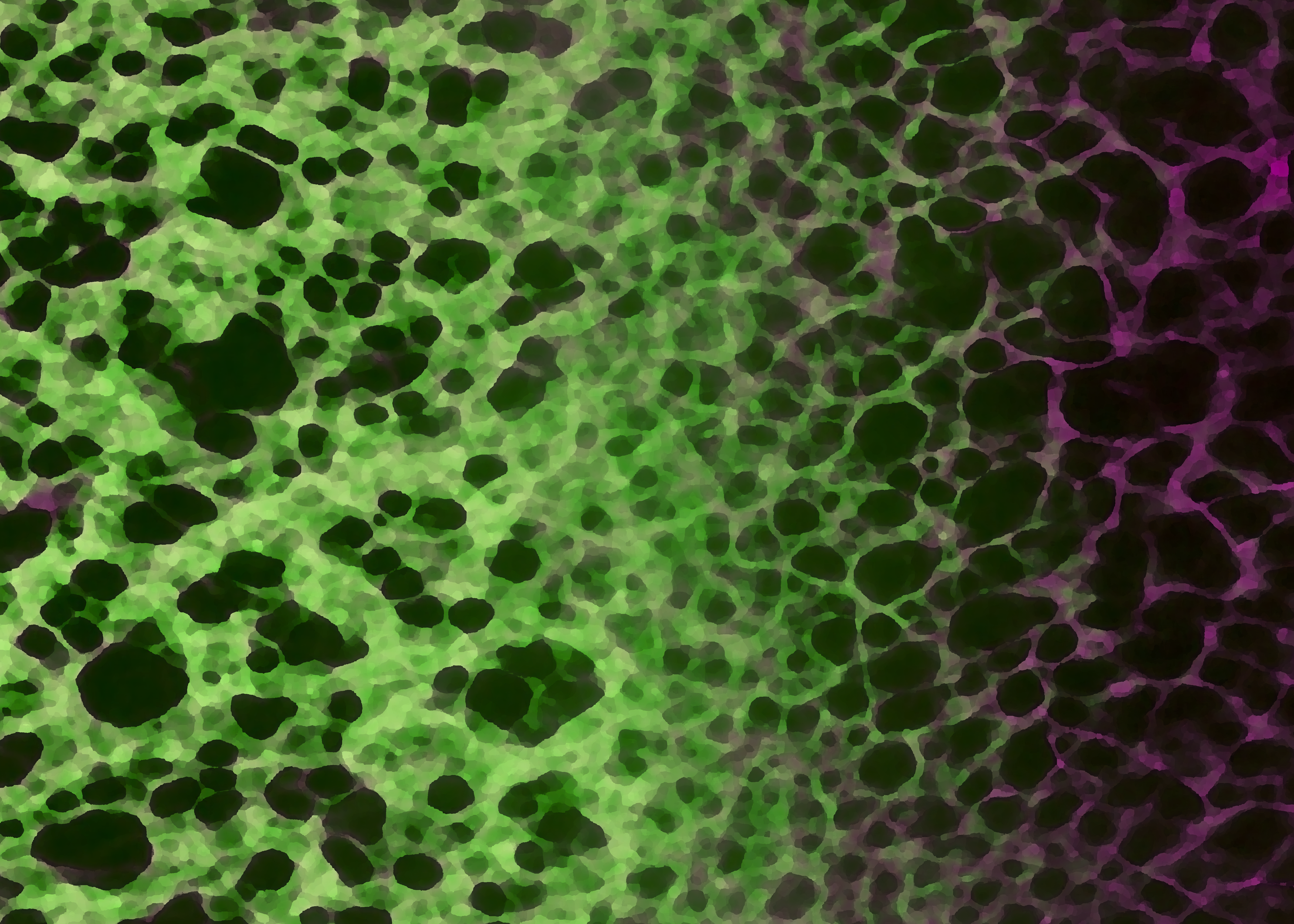
Aging researchers find new puzzle piece in the game of longevity
The lab of Kris Burkewitz just made a key discovery: How cellular machineries are structured and organized within a cell has implications for healthy aging. “We didn't just add a piece to the puzzle—we found a whole section that hasn't even been touched,” Eric Donahue, first author of the study, said. Read MoreFeb. 2, 2026
-
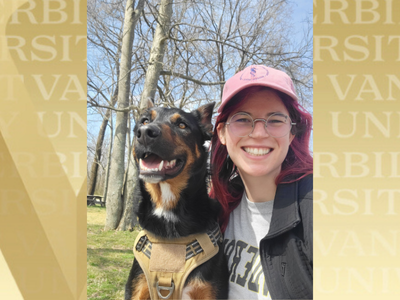
Trainee Tribute: Jen Silverman
Meet Jen Silverman, a Ph.D. candidate in the lab of Matthew Tyska in the Department of Cell and Developmental Biology. Read MoreJan. 20, 2026
-
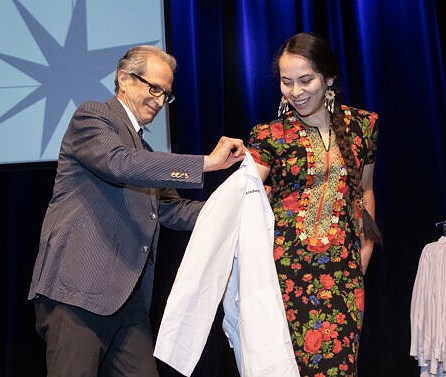
School of Medicine Basic Sciences: 2025 in review
As 2025 draws to a close, we reflect on the achievements and contributions to science made by the School of Medicine Basic Sciences community over the past year. SOMBS facilitates outstanding fundamental science research across four departments, two institutes, 10 centers, and 18 core facilities. The work of our faculty,… Read MoreDec. 17, 2025
-
Spraggins awarded $4M NSF grant to develop next-generation molecular imaging platform
In addition to fueling cutting-edge research, a new molecular imaging system will serve as a cornerstone resource at the Mass Spectrometry Research Center, which is recognized nationally as a hub for molecular imaging and technology development. It will be made accessible to collaborators across academia, national labs, and industry, ensuring broad impact. Read MoreSep. 30, 2025
-
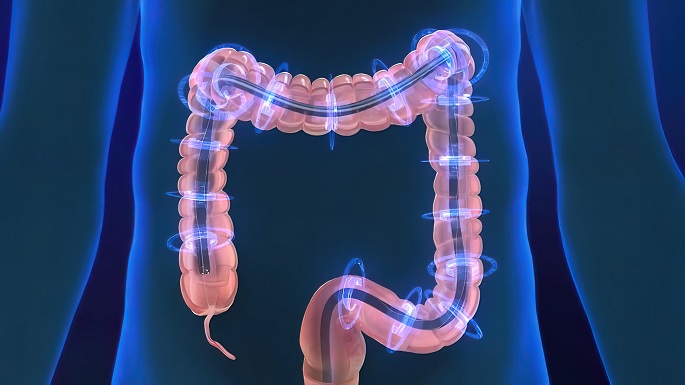
NCI grant funds $12 million for colorectal cancer research
A colorectal cancer research team led by Robert Coffey has received a Specialized Programs of Research Excellence grant renewal totaling $12.6 million from the National Cancer Institute.The team has made numerous discoveries over the past 23 years, and it plans to build upon those achievements with the goal of “drugging the undruggable.” Vanderbilt-Ingram is one of only four cancer centers in the U.S. with GI Cancer SPORE funding. Read MoreSep. 15, 2025
-
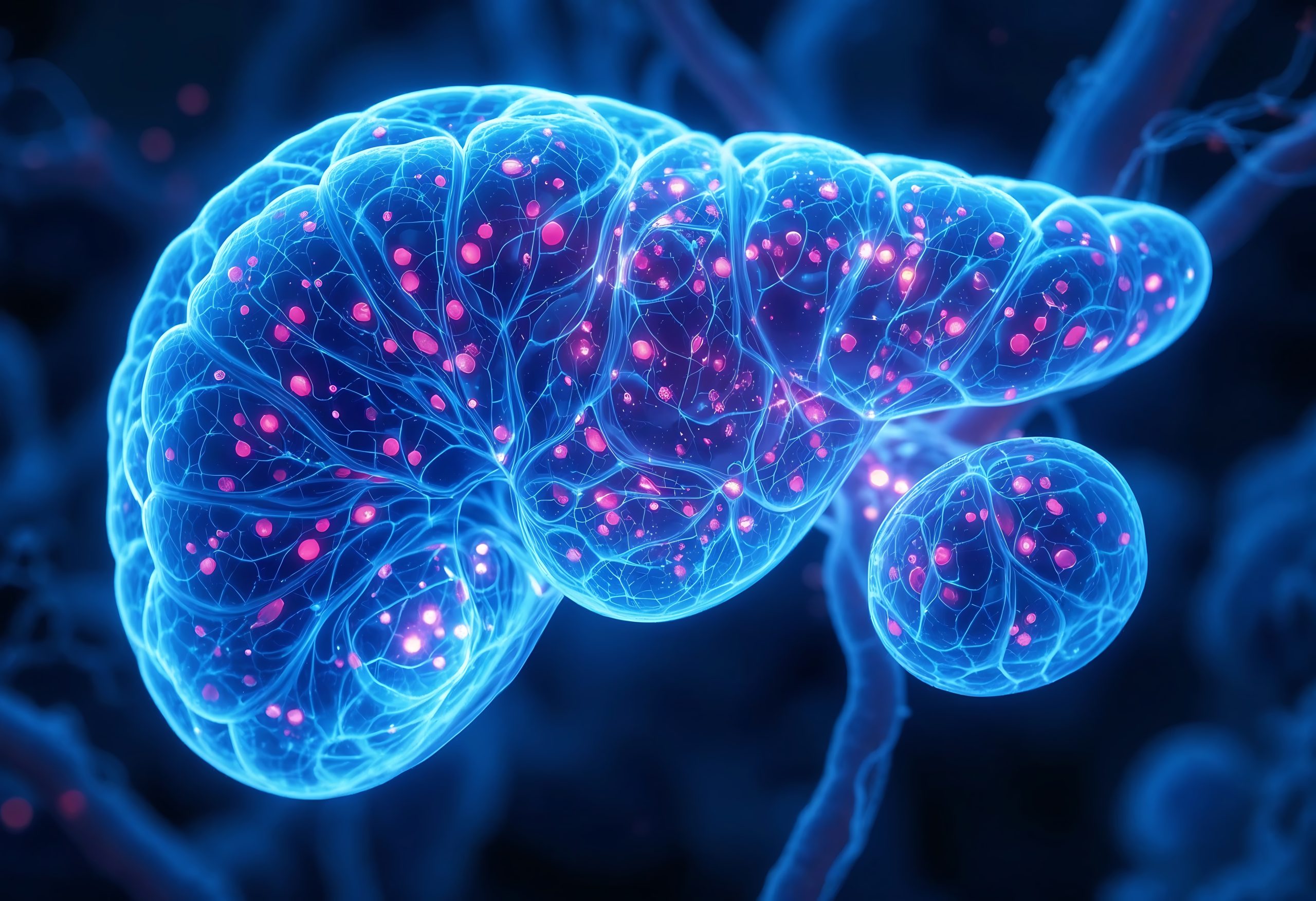
DelGiorno lands prestigious American Cancer Society award to study therapeutic vulnerabilities in pancreatic cancer
Kathleen DelGiorno has received a Research Scholar Award from the American Cancer Society to study pancreatic cancer development. She will focus on the role of two fatty acids that are known to be involved with tumorigenesis. Read MoreSep. 9, 2025
-

Hayes, Nagarajan, and Costanzo win 2025 Cell Imaging Shared Resource Life Is Beautiful Image Contest
James Hayes, Rekha Nagarajan, and James Costanzo are the winners of the 2025 Cell Imaging Shared Resource Life Is Beautiful image contest. CISR provides researchers with access to state-of-the-art imaging equipment and expert technical support for sophisticated microscopy and analysis of tissue and cellular anatomy and physiology. Read MoreAug. 7, 2025
-

New research points to cell subtypes that increase risk of diabetes
Recent work from a coalition of Vanderbilt labs has found clear distinctions in insulin-secreting β-cell subtypes and drawn a connection between certain subtypes and a higher risk of diabetes. Read MoreJul. 23, 2025
-
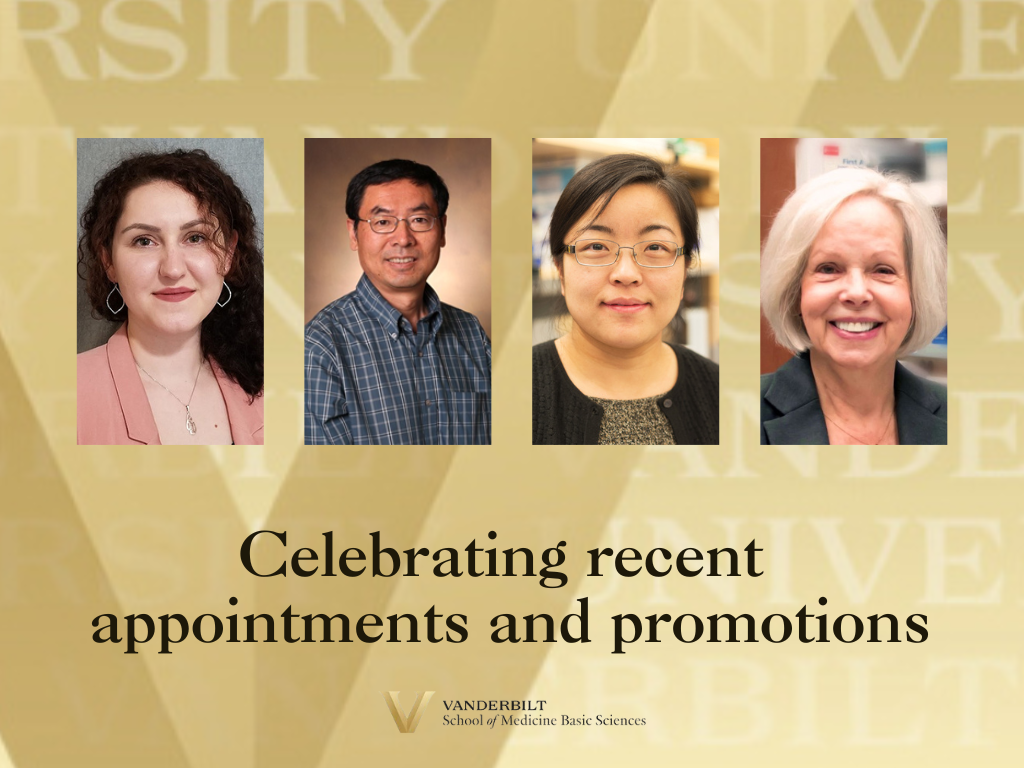
Celebrating appointments and promotions in the School of Medicine Basic Sciences: April–June 2025
Congratulations to our School of Medicine Basic Sciences members who were promoted or received new appointments between April and June 2025. These individuals significantly enrich our pursuit of pathbreaking research and contribute to the growth and success of our school. Read MoreJul. 16, 2025