Cell And Developmental Biology
-
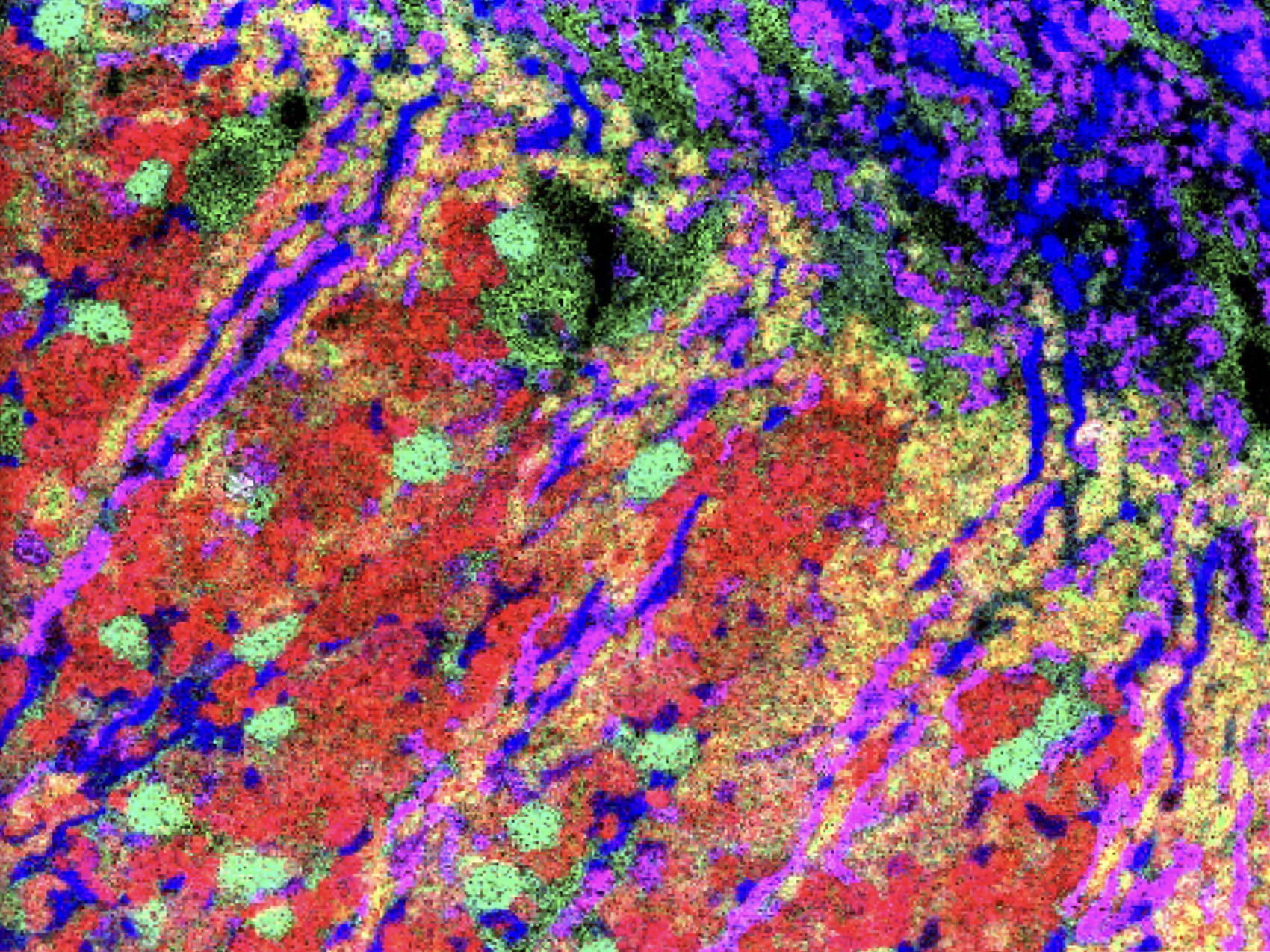
Kidney atlas maps molecular landscape, unlocking clues to renal health and disease
In a landmark study published in Science Advances, Vanderbilt researchers have created the first high-resolution lipid atlas of the human kidney, mapping over 100,000 functional tissue units across 29 donors. By integrating advanced imaging mass spectrometry with microscopy using machine learning, the team identified distinct lipid signatures that could transform diagnostics and precision treatments for kidney disease. Read MoreJun. 17, 2025
-
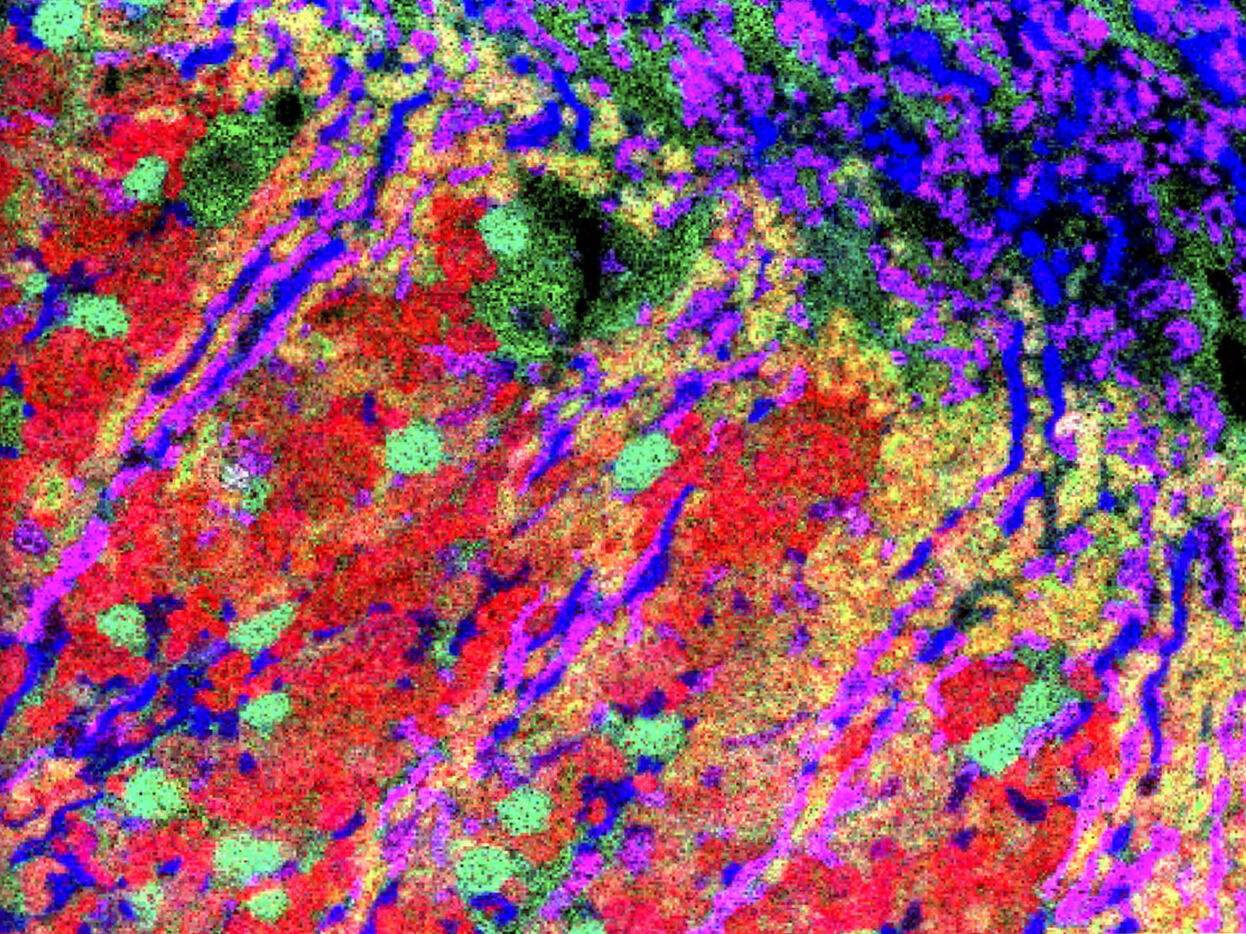
Kidney atlas maps molecular landscape, unlocking clues to renal health and disease
In a landmark study published in Science Advances, Vanderbilt researchers have created the first high-resolution lipid atlas of the human kidney, mapping over 100,000 functional tissue units across 29 donors. By integrating advanced imaging mass spectrometry with microscopy using machine learning, the team identified distinct lipid signatures that could transform diagnostics and precision treatments for kidney disease. Read MoreJun. 17, 2025
-
Exploring a new frontier in cell communication: A Q&A with the Burnette lab on blebbisomes
Since its publication on February 21, 2025, the Burnette Lab’s article detailing the discovery of blebbisomes—a newly identified class of extracellular vesicles—has received over 44,000 Article Accesses, a remarkable benchmark for scientific reach and engagement. This visibility is due in part to Vanderbilt University’s new open access agreement with… Read MoreJun. 13, 2025
-
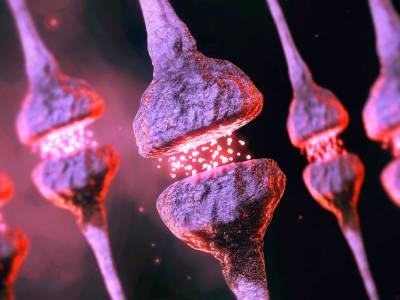
Redefining synaptic architecture: Nanoblocks as key organizing units in the postsynaptic density
In a new paper postdoctoral fellow Rong Sun and members of the Qiangjun Zhou lab used cryo-electron tomography to better understand the precise structural arrangement of synapses of excitatory primary hippocampal neurons. Read MoreMay. 13, 2025
-
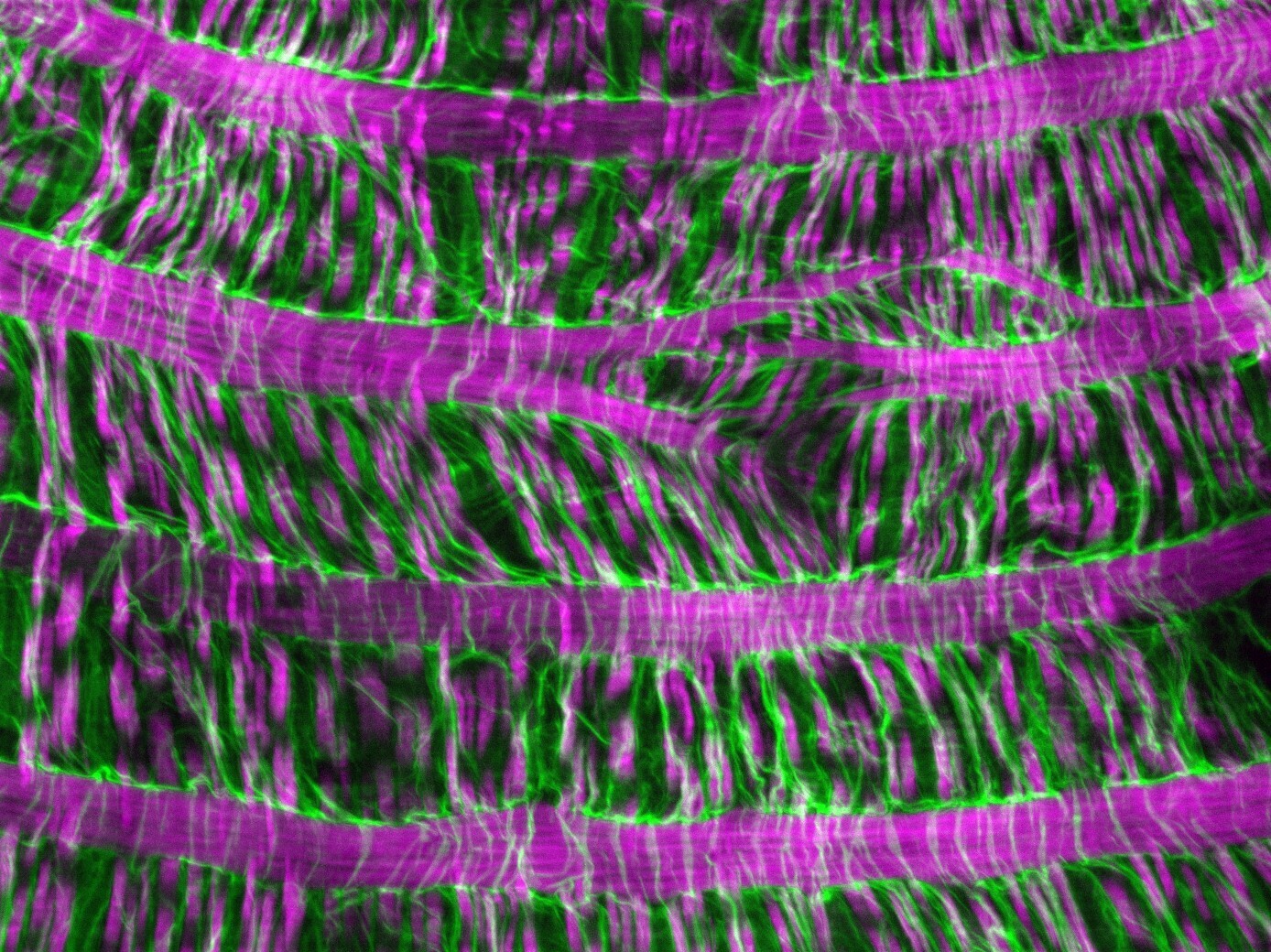
How tissues detect and repair damage to the body’s hidden support system
A new study uncovered how tissues detect and respond to damage in basement membranes, and how they recruit a previously unknown set of "matrix mender" cells to repair the tissue. The results of this study have far-reaching implications for numerous diseases, including diabetes, dementia, and cancer. Read MoreApr. 24, 2025
-

School of Medicine Basic Sciences Staff Spotlight: Naila Tasneem
Meet Naila Tasneem, a research technician in the Department of Cell and Developmental Biology in the Vanderbilt School of Medicine Basic Sciences. Read MoreApr. 24, 2025
-

Celebrating recent appointments and promotions in the School of Medicine Basic Sciences
Congratulations to our School of Medicine Basic Sciences members who were promoted or received new appointments between January and March 2025. These individuals significantly enrich our pursuit of pathbreaking research and contribute to the growth and success of our school. Read MoreApr. 10, 2025
-
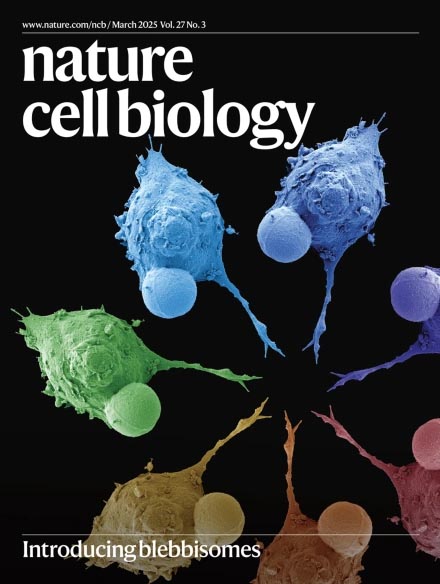
Exploring a New Frontier in Cell Communication: A Q&A with the Burnette Lab on Blebbisomes
Since its February 2025 publication in Nature Cell Biology, a groundbreaking study from the Burnette Lab has drawn more than 44,000 Article Accesses—amplified by Vanderbilt’s new open access agreement with Springer Nature. The study reveals the existence of blebbisomes, massive, motile extracellular vesicles that behave almost like mini cells. Packed with organelles and capable of delivering immune-modulating proteins, blebbisomes may one day serve as therapeutic couriers or targets in cancer treatment. Read MoreApr. 7, 2025
-
Vanderbilt and Northwestern labs discover new mechanisms that cause irregular heartbeat
Vanderbilt and Northwestern University researchers characterized a group of KCNQ1 variants probe their role in a common heart disorder called LQTS. They found that there are five classes of mutations that act through independent mechanisms, suggesting that a more tailored/personalized treatment approach could be beneficial for LQTS patients. Read MoreFeb. 18, 2025
-
A closer look at how pulmonary fibrosis unfolds
A study of a unique spatial map of gene expression in 1.6 million cells from the lungs of 35 people with pulmonary fibrosis revealed a discovery that could eventually change how early PF can be detected. Some lung tissue in these patients shows signs of the disease before significant structural remodeling of the tissue occurs. Read MoreFeb. 13, 2025