Depression
-

Getting more bang for your buck
Ever wonder what about the ROI on biomedical research looks like? At the Vanderbilt University School of Medicine Basic Sciences, scientists are delivering answers—by driving discoveries that are already improving human health and paving the way for tomorrow’s treatments. This 2025–26 roundup highlights some of the year’s most exciting advances, showing the extraordinary value of sustained support for biomedical science. Read MoreApril 14, 2026
-

Brain Disorders Research – Original
Link List – Right Hand Column PlaceholderRefresh After Saving to Remove .link-list.jump-links{ padding-left: 0 !important; } CENTERS & INSTITUTES: Vanderbilt Center for Addiction Research (VCAR) Warren Center for Neuroscience Drug Discovery (WCNDD) Vanderbilt Brain Institute The Brain Diseases affecting… Read MoreJanuary 25, 2026
-
Brain Disorders Research
Link List – Right Hand Column PlaceholderRefresh After Saving to Remove .link-list.jump-links{ padding-left: 0 !important; } CENTERS & INSTITUTES: Vanderbilt Center for Addiction Research (VCAR) Warren Center for Neuroscience Drug Discovery (WCNDD) Vanderbilt Brain Institute The Brain Diseases affecting… Read MoreJanuary 9, 2026
-

New ketamine study promises extended relief for depression
Major depression is one of the most common mental disorders in the U.S. Approximately 7% (17.3 million) of American adults had at least one major depressive episode in 2017. Roughly 10 percent of the U.S. population is afflicted with major depressive disorder at any… Read MoreJune 13, 2025
-

New ketamine study promises extended relief for depression
For the nearly 30 percent of major depressive disorder patients who are resistant to treatment, ketamine provides some amount of normalcy, but it requires frequent treatment and can have side effects. Vanderbilt researchers now show in proof-of-concept experiments that it may be possible to extend ketamine’s antidepressant effect from about a week to up to two months. Read MoreMay 22, 2025
-
Treatment-resistant depression linked to body mass index: study
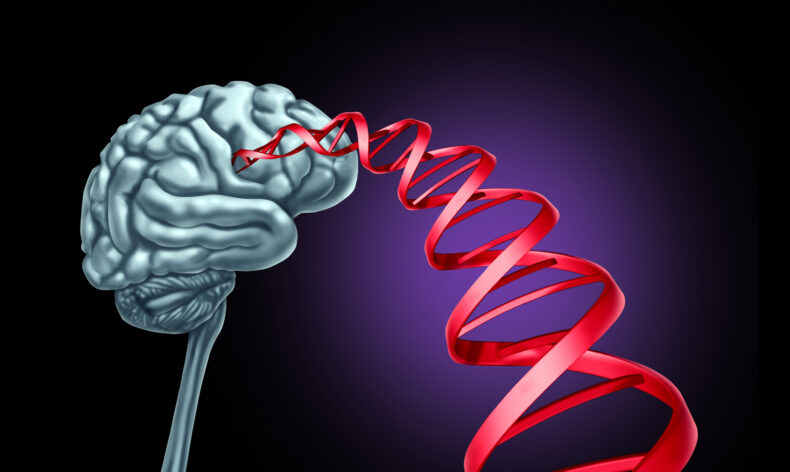
Genetic factors are a small but significant contributor to severe depression that does not respond to standard therapy, according to researchers at Vanderbilt University Medical Center and Massachusetts General Hospital. Read MoreMay 24, 2024
-

Understanding the molecules and brain circuits recruited by stressful experience
Stressful experiences can lead to adaptive or detrimental behaviors. Understanding how stress can affect our brains can help understand basic brain function and is also essential to discerning causes and treatments for some diseases. A group of researchers led by Jeffrey Conn, professor of pharmacology at… Read MoreFebruary 18, 2022
-

Deciphering the Circuits in Neuroscience Research
Around 500 million people around the world are affected by poor mental health including disorders such as depression, schizophrenia, bipolar disease and dementia with a significant impact on quality of life as well as associated social and economic consequences.1 Boehringer Ingelheim is dedicated to redefining the management of mental health. Read MoreDecember 7, 2021
-

Receptor modulators chart new courses out of depression
By Amanda N. Johnson “Major depression is one of the most common mental disorders in the U.S. According to the National Institute of Mental Health, approximately 7% (17.3 million) of American adults had at least one major depressive episode in 2017.” (Tadamichi, stock.adobe.com) Existing drug treatments relieve mental illness for… Read MoreFebruary 4, 2020