Mass Spectrometry Research Center
-

New MSRC Imaging Mass Spectrometry Core expands frontiers for biomedical research at Vanderbilt through new Xenium spatial transcriptomics service
The MSRC Imaging Mass Spectrometry Core now offers 10x Genomics’ Xenium platform for spatial transcriptomics, providing Vanderbilt researchers with a powerful new way to visualize and quantify gene expression within intact tissues at single-cell resolution. The service expands the core’s multimodal imaging capabilities and supports investigators from project planning through data analysis. Read MoreJuly 15, 2026
-
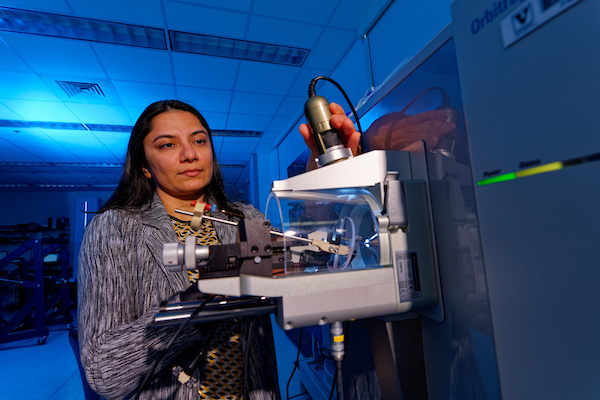
Richard Caprioli Basic Sciences Research Award for Technology Education Fund established, now accepting applications
To honor and continue the legacy of Richard Caprioli, Ph.D., Stanford Moore Chair in Biochemistry and Director Emeritus of the Mass Spectrometry Research Center, the Richard Caprioli Basic Sciences Research Award for Technology Education Fund was established to allow Vanderbilt University Ph.D. students in the School of Medicine to pursue an opportunity to obtain hands-on training and education in one or more new technologies outside of those obtained in their graduate research training. The scholarship will be awarded to a Ph.D. student to enhance the approach to their research program. Read MoreNovember 11, 2025
-

Spraggins awarded $4M NSF grant to develop next-generation molecular imaging platform
In addition to fueling cutting-edge research, a new molecular imaging system will serve as a cornerstone resource at the Mass Spectrometry Research Center, which is recognized nationally as a hub for molecular imaging and technology development. It will be made accessible to collaborators across academia, national labs, and industry, ensuring broad impact. Read MoreSeptember 30, 2025
-
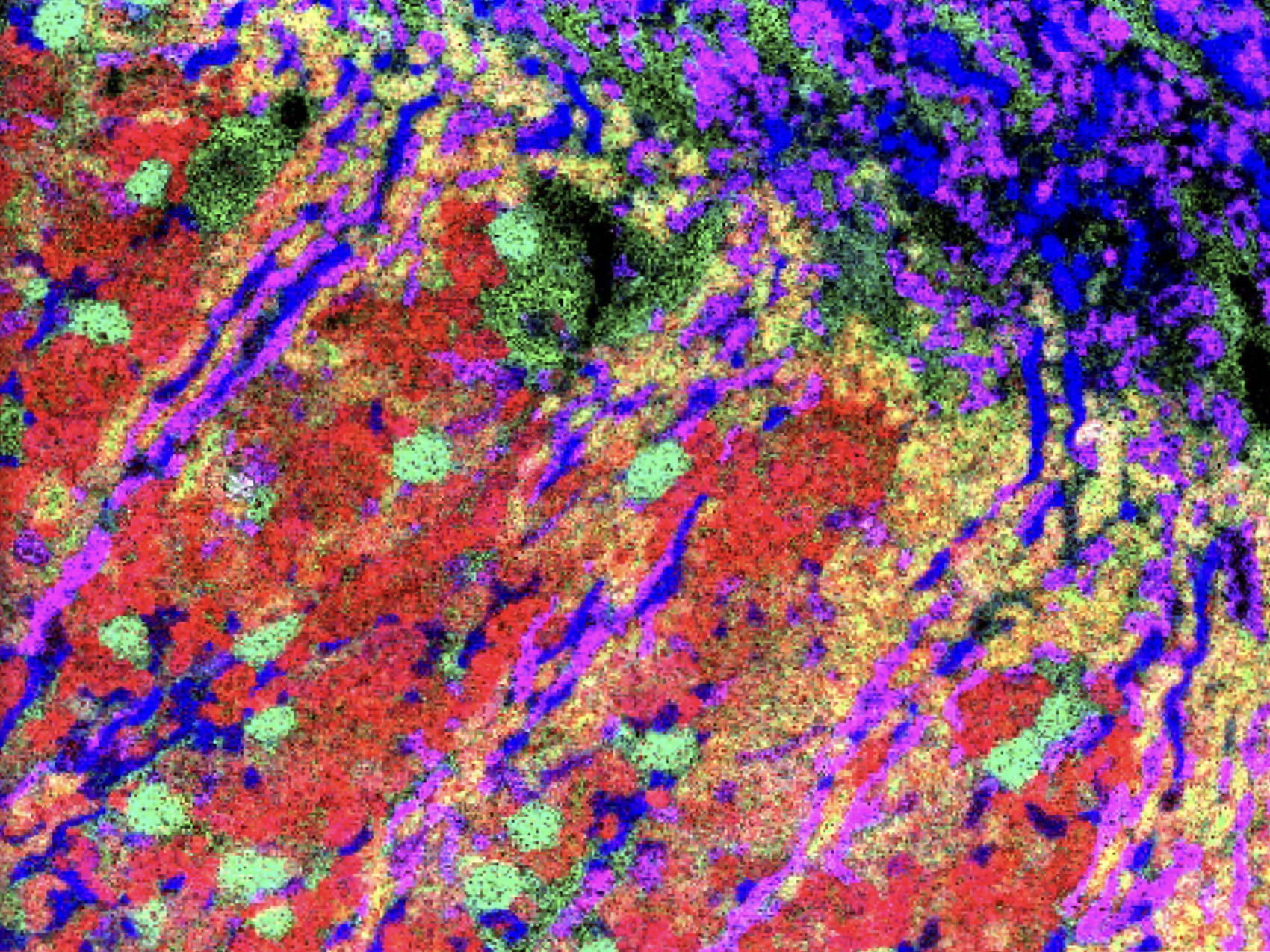
Kidney atlas maps molecular landscape, unlocking clues to renal health and disease
In a landmark study published in Science Advances, Vanderbilt researchers have created the first high-resolution lipid atlas of the human kidney, mapping over 100,000 functional tissue units across 29 donors. By integrating advanced imaging mass spectrometry with microscopy using machine learning, the team identified distinct lipid signatures that could transform diagnostics and precision treatments for kidney disease. Read MoreJune 17, 2025
-
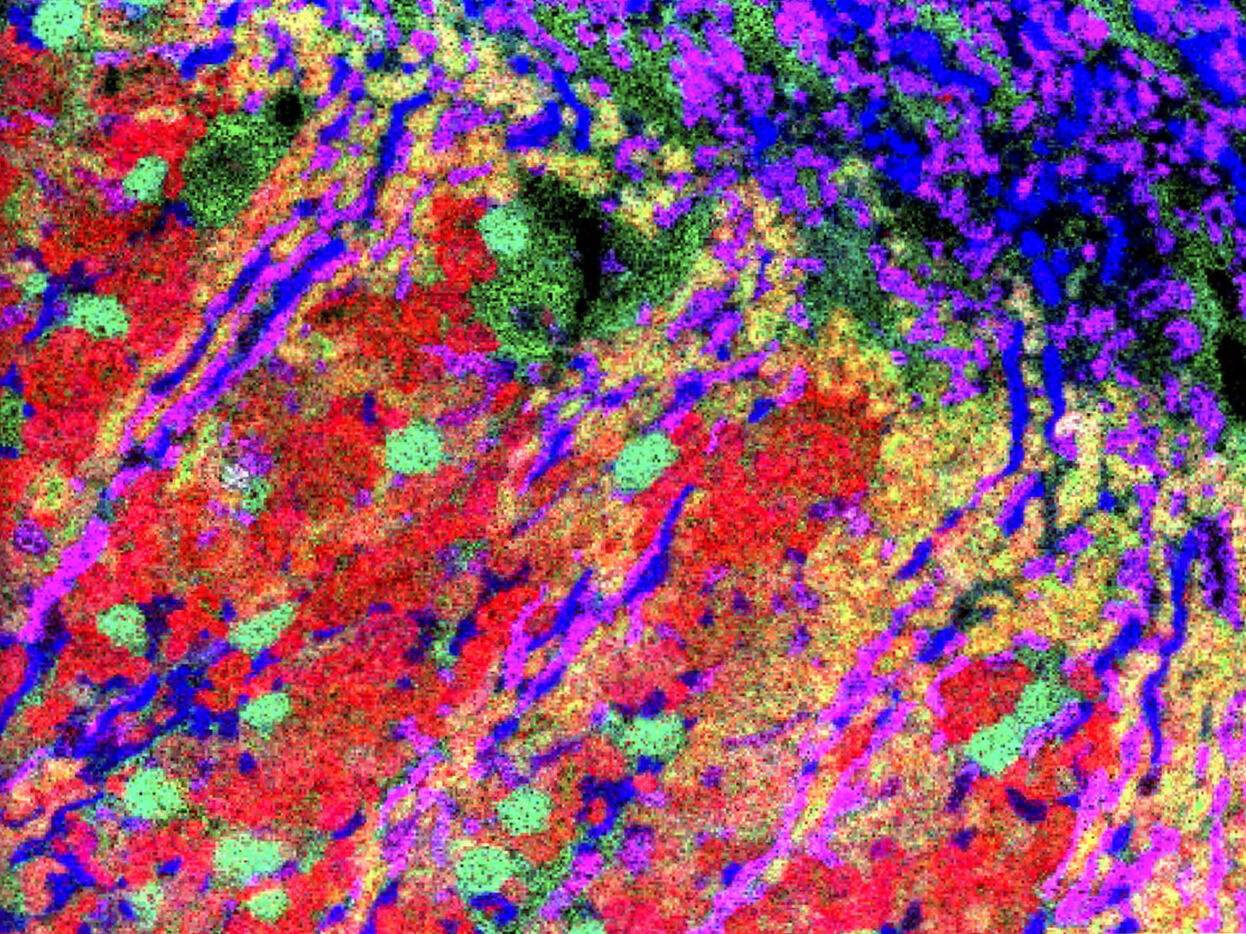
Kidney atlas maps molecular landscape, unlocking clues to renal health and disease
In a landmark study published in Science Advances, Vanderbilt researchers have created the first high-resolution lipid atlas of the human kidney, mapping over 100,000 functional tissue units across 29 donors. By integrating advanced imaging mass spectrometry with microscopy using machine learning, the team identified distinct lipid signatures that could transform diagnostics and precision treatments for kidney disease. Read MoreJune 17, 2025
-

Exploring a new frontier in cell communication: A Q&A with the Burnette lab on blebbisomes
Since its publication on February 21, 2025, the Burnette Lab’s article detailing the discovery of blebbisomes—a newly identified class of extracellular vesicles—has received over 44,000 Article Accesses, a remarkable benchmark for scientific reach and engagement. This visibility is due in part to Vanderbilt University’s new open access agreement with… Read MoreJune 13, 2025
-
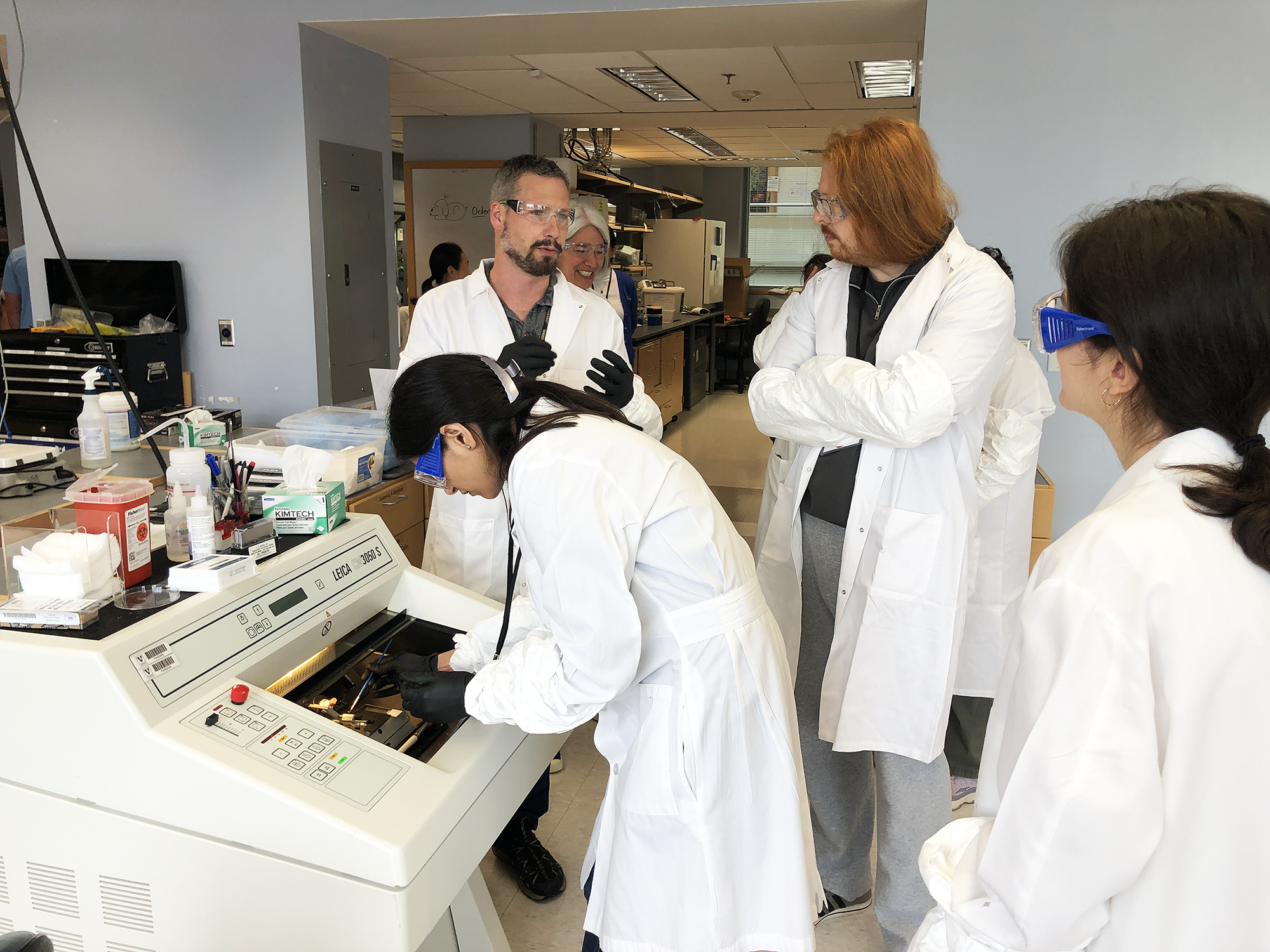
MALDI magic: AIMS empowers scientists through transformative learning
Just as swallows journey to San Juan Capistrano, California, and monarch butterflies migrate to Michoacan, Mexico, each spring, so mass spectrometrists from across the globe converge on Vanderbilt University for the annual, four-day Advanced Imaging Mass Spectrometry workshop. Read MoreJune 10, 2025
-
MALDI magic: AIMS empowers scientists through transformative learning
Just as swallows journey to San Juan Capistrano, California, and monarch butterflies migrate to Michoacan, Mexico, each spring, so mass spectrometrists from across the globe converge on Vanderbilt University for the annual, four-day Advanced Imaging Mass Spectrometry workshop. Read MoreJune 9, 2025
-
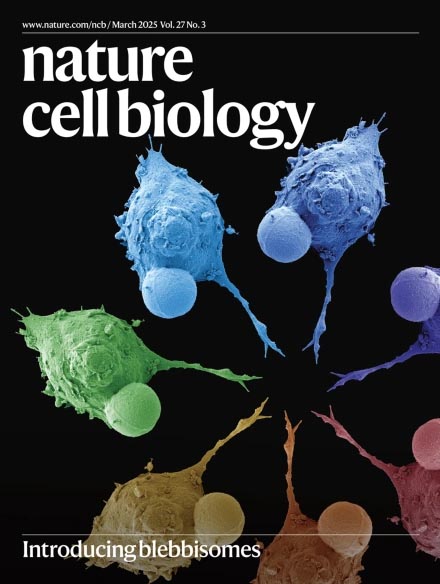
Exploring a New Frontier in Cell Communication: A Q&A with the Burnette Lab on Blebbisomes
Since its February 2025 publication in Nature Cell Biology, a groundbreaking study from the Burnette Lab has drawn more than 44,000 Article Accesses—amplified by Vanderbilt’s new open access agreement with Springer Nature. The study reveals the existence of blebbisomes, massive, motile extracellular vesicles that behave almost like mini cells. Packed with organelles and capable of delivering immune-modulating proteins, blebbisomes may one day serve as therapeutic couriers or targets in cancer treatment. Read MoreApril 7, 2025
-
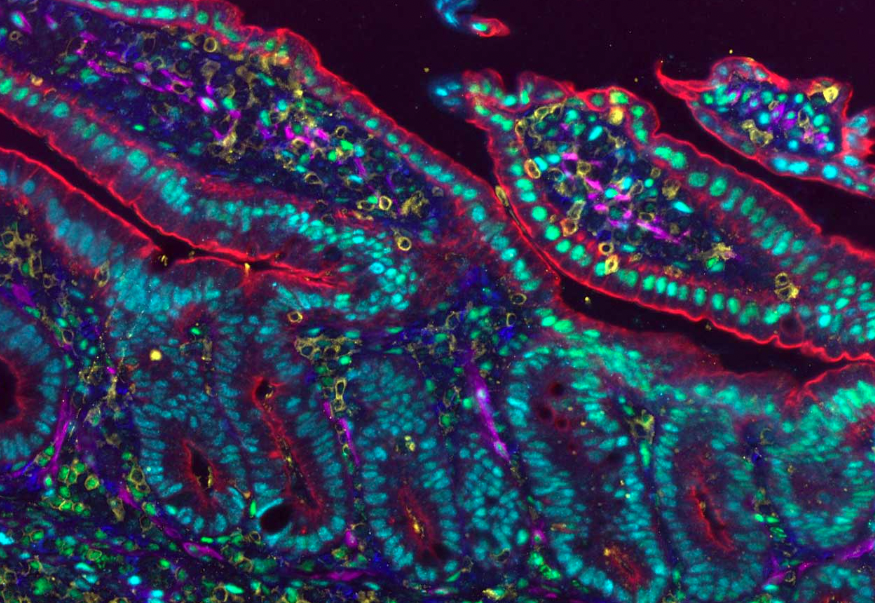
Vanderbilt building molecular atlas of colorectal cancer across different stages of disease onset with $5 million National Cancer Institute grant
Colorectal cancer is the second leading cause of cancer-related deaths in the U.S. Ken Lau and Jeffrey Spraggins are creating the first spatially mapped atlas characterizing the progression trajectories of early-onset colorectal cancer versus average-onset CRC as they transition from precancerous lesions to malignant cancers. Read MoreNovember 20, 2024