Research, Faculty, and Resources
The Vanderbilt University Biomedical Research community is a premier research facility that is internationally recognized for its leadership and innovation in the biomedical and biological sciences. With hundreds of laboratories conducting cutting-edge research, Vanderbilt attracts the best and brightest researchers from all over the world.
The research activities of faculty affiliated with the graduate programs range from fundamental basic science to patient-oriented clinical studies. The extensive interchange of scientific information, techniques, and equipment between investigators reflects the interdisciplinary nature and collaborative spirit of the scientific endeavor at Vanderbilt.
- You can explore faculty research areas here, or though the individual research departments and programs websites.
Between Vanderbilt University and Vanderbilt University Medical Center, there are 40+ core facilities to support researchers.Those affiliated with
- Vanderbilt University are HERE,
and those affiliated with
- Vanderbilt University Medical Center are HERE.
From A (AACRE – Advanced Computing Center for Research and Education) to V (Vanderbilt VICB Chemical Synthesis Core), the Cores are valuable research resources.
Research Centers in the School of Medicine Basic Sciences
Center for AI in Protein Dynamics a Discovery Vanderbilt Center This Center fosters innovation, implementation, and adoption of artificial intelligence systems and machine learning technologies to advance the frontier of biomolecular dynamics, decipher the mechanisms of diseases, and improve human health.
Center for Computational Systems Biology The CCSB is a transinstitutional center between Vanderbilt University Basic Sciences, Vanderbilt University Medical Center, and the Vanderbilt College of Connected Computing that aims to leverage team science and computational biology to turn biomolecular data into actionable insights.
MASS SPECTROMETRY RESEARCH CENTER The mission of the Mass Spectrometry Research Center (MSRC) at Vanderbilt University is to develop and apply cutting-edge mass spectrometry technologies to enhance the understanding of complex biological systems, drive innovation in analytical chemistry, and facilitate collaborative interdisciplinary research.
Vanderbilt Center for Addiction Research (VCAR) Advancements made at the Vanderbilt Center for Addiction Research (VCAR) are instrumental in uncovering the intricate mechanisms underlying the development of addiction and substance use disorder in the brain. Research breakthroughs are actively contributing to the creation of effective treatments for individuals grappling with substance use disorder.
Vanderbilt Center for Stem Cell Biology (VCSCB) brings together investigators interested in stem and/or progenitor cell biology. By stimulating scientific interactions, we strive to broadly propel and elevate the generation of new knowledge related to tissue and organ development with strong emphasis on the cellular and genetic mechanisms that regulate cell fate specification, plasticity and maintenance.
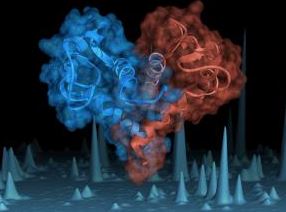
Vanderbilt University Center for Structural Biology (CSB)
The CSB is dedicated to enabling and proliferating research with the goal of determining the 3D structure of biological macromolecules at or near atomic resolution.
Vanderbilt Institute of Chemical Biology (VICB)
The VICB is a trans-institutional initiative between the College of Arts and Science and the School of Medicine. The Institute’s mission is to provide research and training in the application of chemical approaches to the solution of important biomedical problems.
The Vanderbilt Center for Extracellular Vesicle Research aims to catalyze innovative and transformative research with broad impact in the rapidly evolving extracellular vesicle (EV) field by promoting synergistic and interdisciplinary collaborations, enabling access to key technologies, advancing education, and engaging in global outreach to the international extracellular vesicle community.
Vanderbilt University Institute of Imaging Science (VUIIS)
The VUIIS supports advances in physics, engineering, computing, chemistry, and other basic sciences for the development and application of new and enhanced imaging techniques to address problems and stimulate new research directions in biology and medicine in health and disease.
 Vanderbilt Institute for Integrative Biosystems Research and Education (VIIBRE)
VIIBRE, the Vanderbilt Institute for Integrative Biosystems Research and Education, was created in 2001 with a $5 million, five-year grant from the Vanderbilt Academic Venture Capital Fund to foster and enhance interdisciplinary research in innovative systems biology and systems engineering at Vanderbilt, integrated with a strong focus on undergraduate, graduate, and postdoctoral education.
Vanderbilt Brain Institute (VBI)
The Vanderbilt Brain Institute embodies the extensive neuroscience education, research and training carried out across all of the Vanderbilt campuses. We are a trans-institutional entity that oversees, facilitates and fosters excellence in brain-related disciplines.
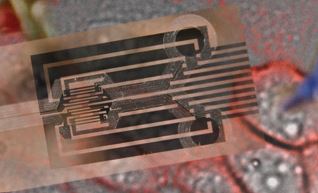 Vanderbilt Institute of Nanoscale Science and Engineering (VINSE)
The Vanderbilt Institute of Nanoscale Science and Engineering (VINSE) is a University institute focused on new science and technology based on nanoscale materials.
Warren Center for Neuroscience Drug Discovery
To translate advances in basic science to novel therapeutics by de-risking innovative approaches for the treatment of serious brain disorders.