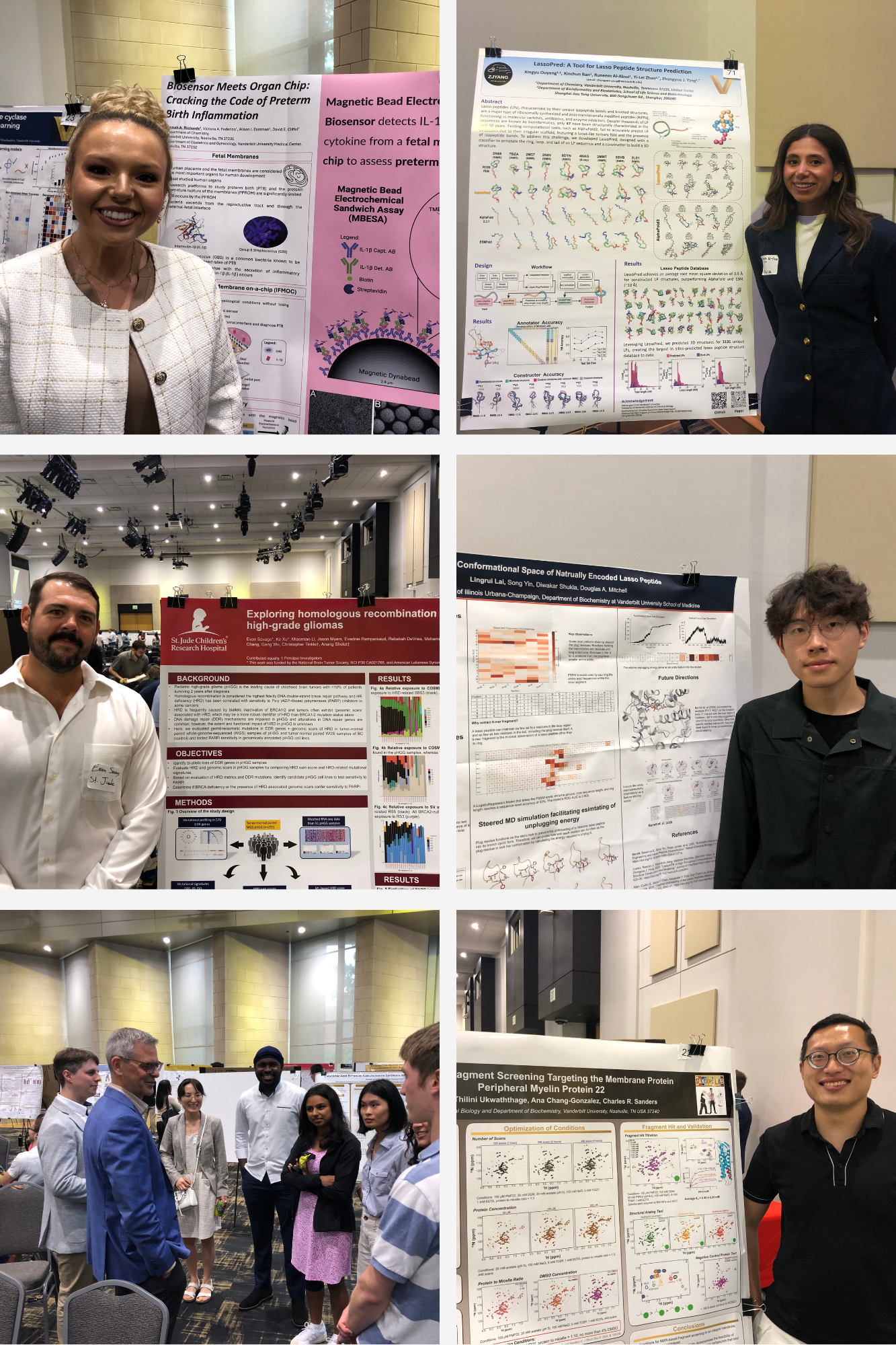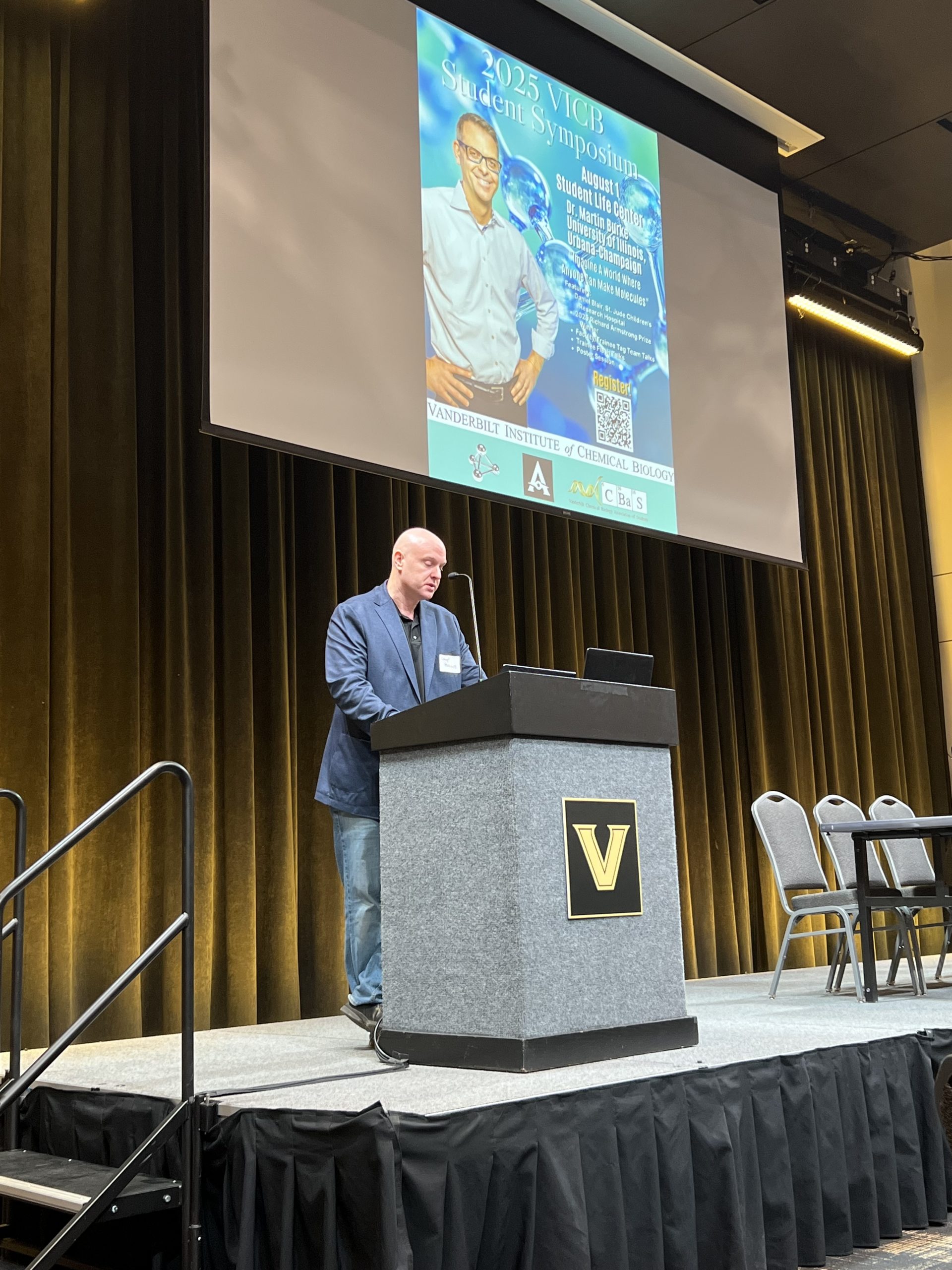
The Vanderbilt Institute of Chemical Biology held its annual Student Research Symposium on Aug. 1, drawing a record number of registrants and poster presenters. Organized by the Chemical Biology Association of Students, the event showcased cutting-edge research, interdisciplinary collaborations, and exceptional contributions from both trainees and faculty.
“The 2025 VICB Student Research Symposium was an inspiring showcase of the depth and breadth of chemical biology at Vanderbilt. The trainee presentations were of exceptional quality, spanning fundamental discovery to translational innovation,” said Doug Mitchell, VICB director and holder of the William Kelly Warren Sr. chair in Biochemistry. “The Faculty/Trainee Tag Team presentations were a highlight, underscoring our collaborative spirit. With record participation this year, the momentum is undeniable, and I look forward to seeing our community expanding its impact in the year ahead.”
Democratizing molecular discovery
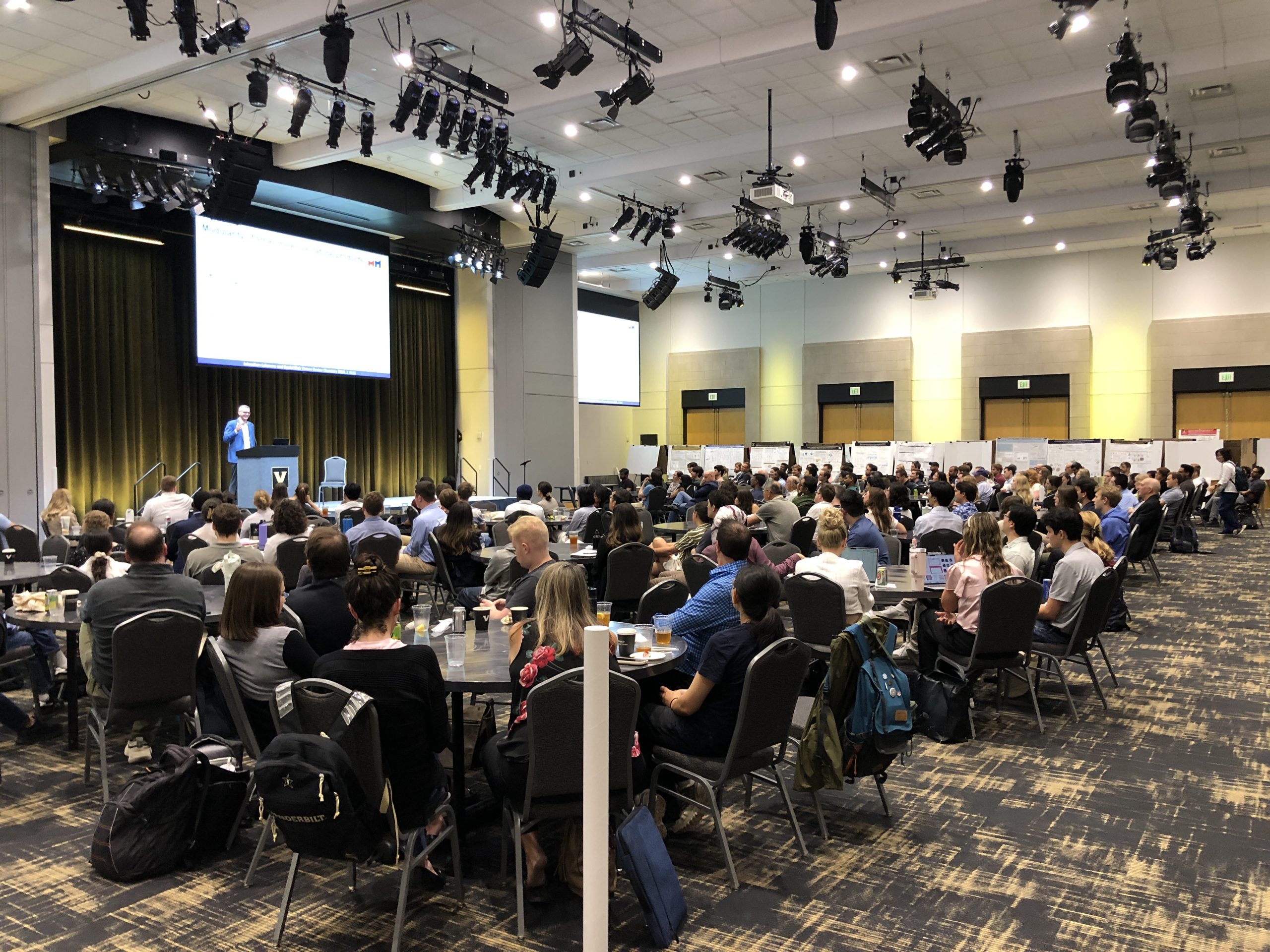
The symposium featured a captivating keynote by Martin Burke, the May and Ving Lee Professor for Chemical Innovation at the University of Illinois at Urbana-Champaign. In his visionary talk, “Imagine a World Where Anyone Can Make Molecules,” Burke highlighted his pioneering modular chemistry platform, emphasizing its transformative potential in fields ranging from drug discovery to AI-driven materials innovation. His approach aims to empower non-specialists and accelerate the pace of scientific breakthroughs, which set an inspirational tone for the day’s events.
Armstrong prize celebrates exceptional trainee research
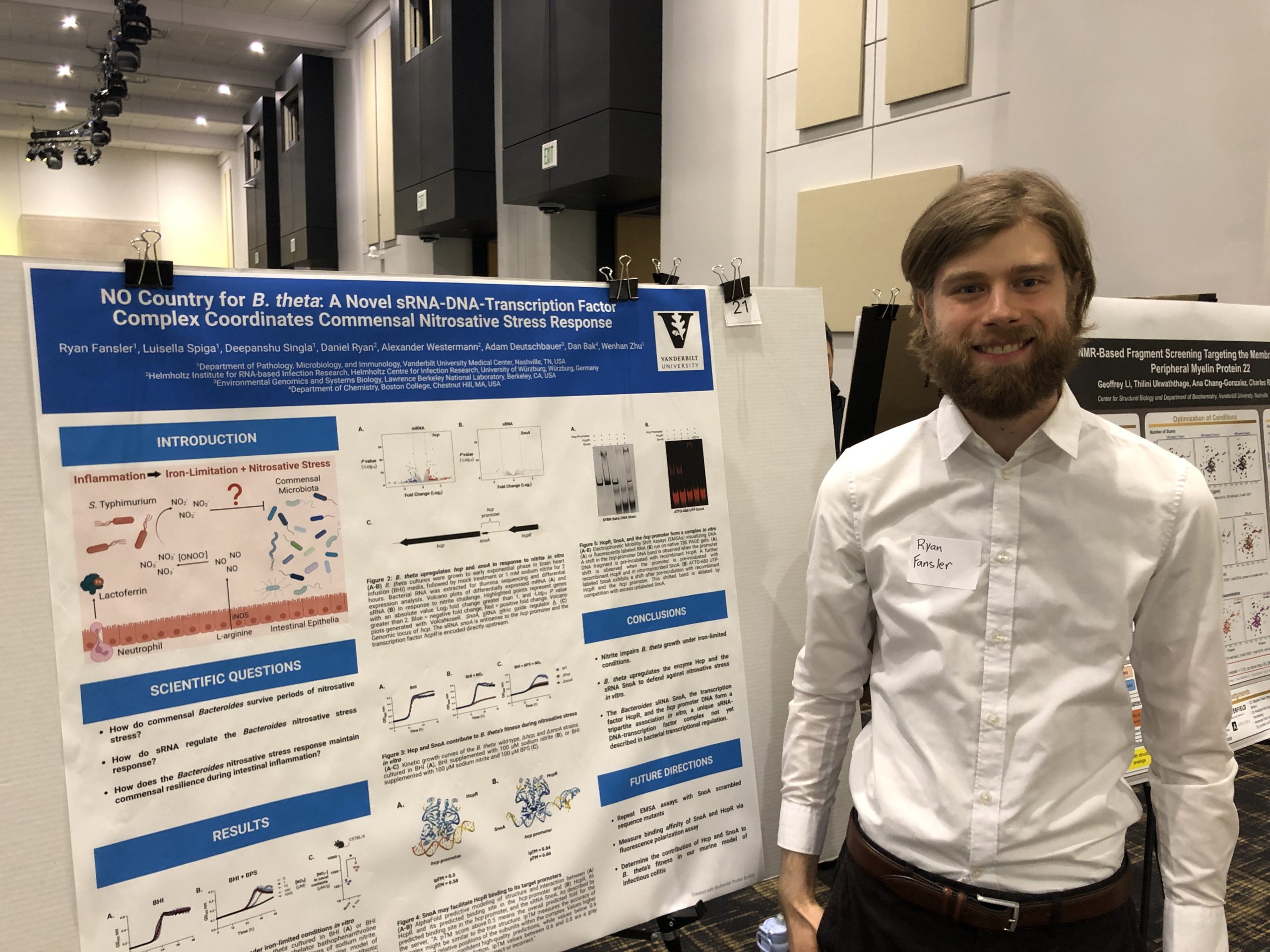
The 2025 recipient of the Richard Armstrong Prize for Research Excellence was Ryan Fansler, a Ph.D. candidate in Wenhan Zhu’s lab. Fansler’s presentation, “NO Country for B. theta,” detailed the discovery of a novel sRNA-DNA-protein complex that enables the gut commensal bacterium Bacteroides thetaiotaomicron to withstand nitrosative stress during inflammation. His work holds significant implications for microbiome resilience and therapeutic strategies.
The Richard Armstrong Prize for Research Excellence honors the legacy of Richard N. Armstrong, a distinguished professor of biochemistry and chemistry who passed away in 2017. A revered scientist, mentor, and founding member of the Vanderbilt Institute of Chemical Biology, Armstrong was internationally recognized for his pioneering work in enzymology and chemical biology and left behind a profound impact on the scientific community and generations of trainees who continue to build upon his contributions.
Dynamic faculty-trainee collaborations
A defining element of the symposium, the Faculty/Trainee Tag Team Talks demonstrated the power of mentorship and interdisciplinary teamwork:
- John Wilson and Jake Schulman presented on engineered polymeric STING agonist delivery platforms aimed at enhancing cancer immunotherapy.
- Allison Walker and Emilee Patterson discussed AI-driven methods for predicting regulator pairs to boost the discovery of secondary metabolites.
- Brian Bachmann and Kathryn Penton shared insights into novel spirocyclic β-lactone polyketides and their potential to modulate RNA splicing in cancer.
- Sarah Zelle and co-mentors Kevin Schey and Hassane Mchaourab explored oxidative stress responses in zebrafish lenses, offering new perspectives on age-related cataracts through proteomic analysis.
These collaborative talks highlighted the VICB’s ongoing commitment to nurturing scientific leaders through meaningful mentorship.
Rapid-fire trainee flash talks
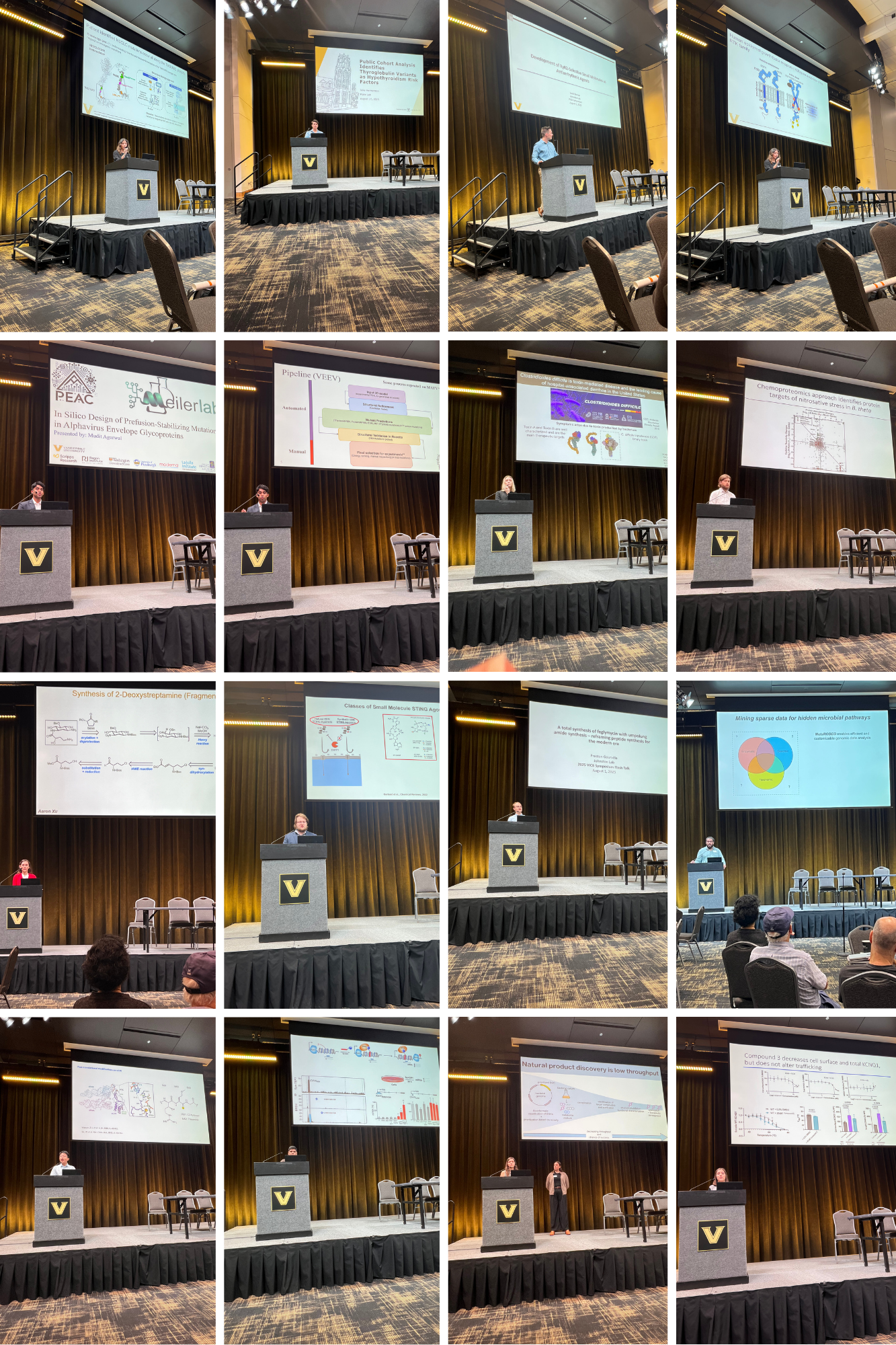
More than 15 trainees delivered compelling Flash Talks across three vibrant sessions, covering topics from advanced computational methods for vaccine design and antimicrobial synthesis to novel therapies for neurological diseases and cardiac arrhythmias. These concise presentations demonstrated the depth, breadth, and innovation that define Vanderbilt’s trainee community.
Strong industry and translational engagement
In true reflection of the VICB’s focus on real-world applications, the symposium was sponsored by Deerfield Managementand had additional participation from industry partners, including Ancora Innovation.
St. Jude Children’s Research Hospital was represented for the second consecutive year, contributing a featured talk by Daniel Blair, assistant member of chemical biology and therapeutics, and trainee flash talks and poster presentations. Together, VICB and St. Jude continue to strengthen research networks, support trainee development, and pursue shared scientific goals.
Poster session and networking reception
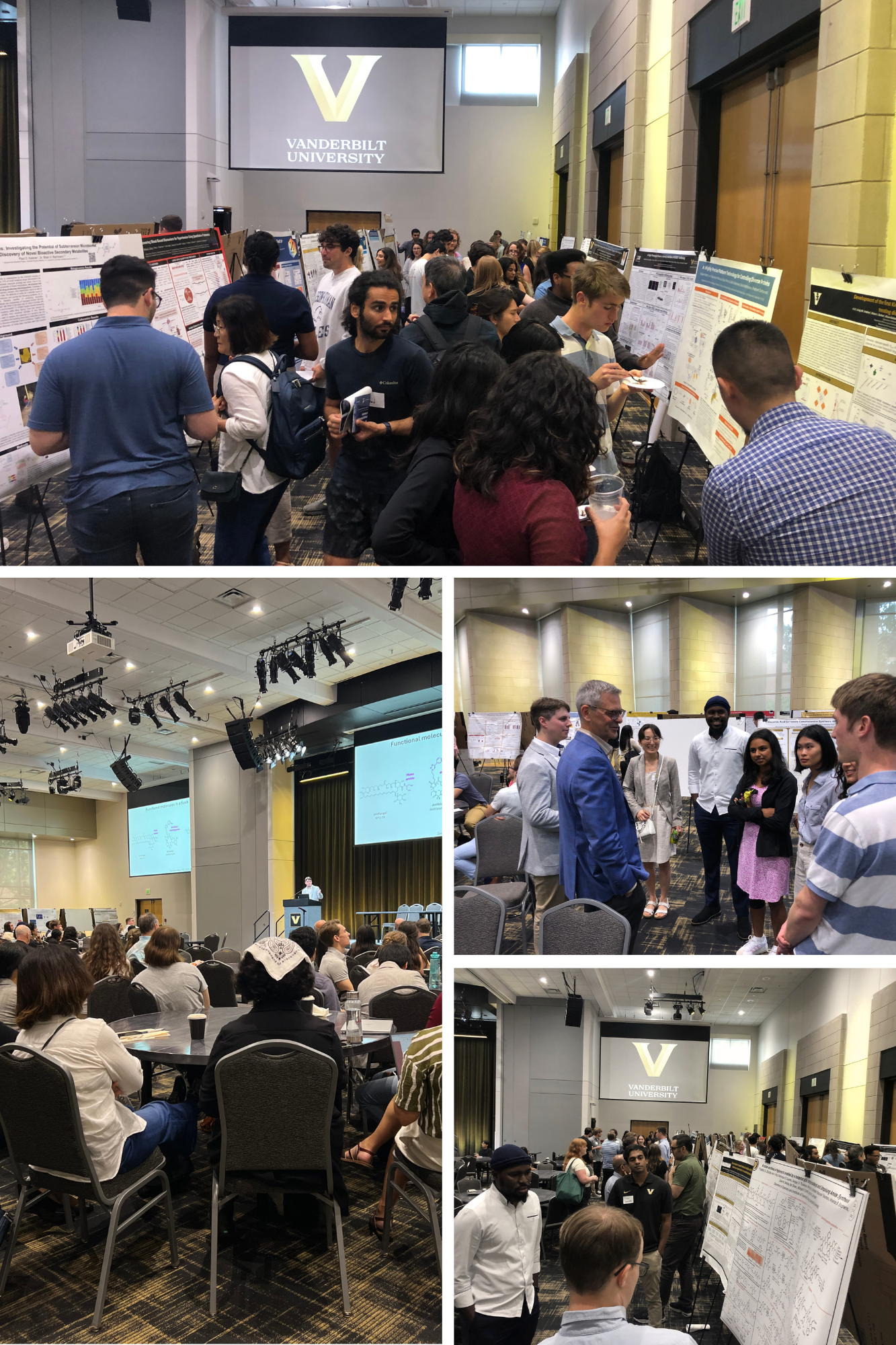
The day concluded with a bustling reception and record-setting poster session featuring over 80 poster presentations from Vanderbilt trainees and collaborators. Topics ranged broadly from synthetic chemistry and metabolic engineering to drug discovery and novel computational approaches, fostering energetic discussions and meaningful connections that promise to inspire future collaborations.
In celebrating scientific rigor, interdisciplinary collaboration, and the record-breaking engagement of the Vanderbilt chemical biology community, the 2025 VICB Student Research Symposium underscored the institute’s role at the forefront of transformative research and innovation.