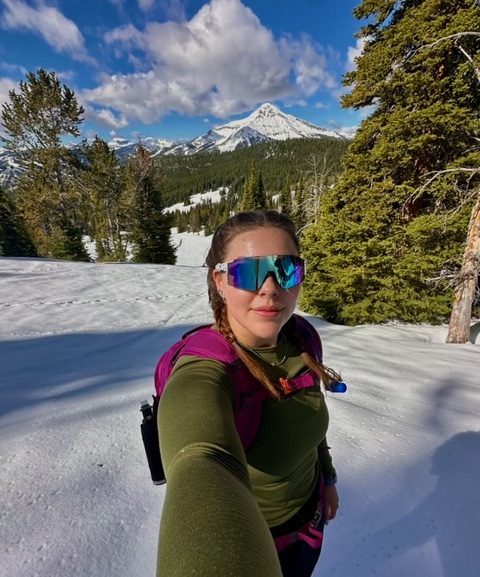
 Meet Hannah Waterman, a trainee in the Department of Molecular Physiology and Biophysics who is studying morning insulin exposure and how it can be optimized to enhance the liver’s glucose uptake and glycogen storage during a subsequent meal. She is mentored by Alan Cherrington, the Jacquelyn A. Turner and Dr. Dorothy J. Turner Professor of Diabetes Research and professor of molecular physiology and biophysics. We sat down with Waterman to talk about her experience as a trainee at Vanderbilt, the mentorship and education that have shaped her journey, and what makes her unique both in and outside of the lab.
What graduate program are you in?
I am in the Molecular Physiology and Biophysics Ph.D. program.
Besides your PI, who are your other mentors at Vanderbilt?
Alan Cherrington is my PI, but Dale Edgerton, research professor of molecular physiology and biophysics, is my second thesis mentor, and Justin Gregory, associate professor of pediatrics, is my clinical mentor.
What drew you to Vanderbilt?
I was drawn to Vanderbilt for several reasons. The rigor and quality of research here, combined with the academic prestige, really stood out. I was also impressed by the strong culture of collaboration within the community and the access to excellent core facilities.
On a personal level, Nashville is a wonderful city, and having extended family in Tennessee made the move from Washington State feel more manageable. Above all, I’ve been inspired by how genuinely faculty care about student growth and development. It’s clear that trainees are valued here not just as researchers, but as people.
What is your current area of research and what is exciting about it?
My current research focuses on the physiologic and molecular mechanisms underlying the second-meal phenomenon. In Dr. Cherrington’s lab, I research how morning insulin exposure, including its timing, amount, and route of delivery, can be optimized to enhance hepatic glucose uptake and glycogen storage during a subsequent meal using a canine model.
What excites me most is how this work bridges multiple disciplines, including physiology, metabolism, endocrinology, and nutritional science. It allows me to understand how these systems work together across a variety of tissues in the body, including the liver, muscle, adipose tissue, and brain. The goal of my research is to improve glycemic regulation, specifically in the postprandial setting (after eating) to reduce hyperglycemia and prevent reactive hypoglycemia. It also provides insights that could improve dietary strategies and insulin treatment for people with diabetes.
What inspired your interest in your research area?
My interest in metabolic health and glucose regulation stems from both personal experiences and academic curiosity. My best friend and freshman-year undergrad roommate, Shannon, is a type 1 diabetic. Plus, obesity and type 2 diabetes run in my family.
I have been a lifelong athlete, participating in soccer, volleyball, track and field, and now boxing, which has given me a firsthand appreciation for the impact of lifestyle on health. I have long been fascinated by metabolic disease and how everyday habits, including diet and activity levels, influence health outcomes. I am particularly interested in understanding how pharmacologic tools can be integrated with lifestyle strategies that are within our control, rather than relying solely on medication, to optimize metabolic health.
What is the hardest part about being a trainee and how is it helping you be a better scientist?
The hardest part of being a trainee is managing the many demands on my time and energy. Over the past few years, I have had to balance multiple research projects at once, each in a different stage, while also mentoring students and coordinating with collaborators. Learning to manage people, timelines, and unexpected challenges has been difficult but invaluable. Experiments often do not go as planned, and navigating these setbacks has taught me to approach problems more creatively and think critically about my work. Juggling all of these responsibilities has forced me to reflect on how I work, how I communicate, and how I prioritize, which has made me more intentional and thoughtful as a scientist. The process is not easy, but it has strengthened my resilience, sharpened my organizational skills, and given me confidence in handling complex, multifaceted projects.
How has the community at Vanderbilt supported your growth as a scientist and person?
The community at Vanderbilt has been incredibly supportive in shaping my growth. One of my favorite aspects of Vanderbilt is being able to reach out to principal investigators and mentors when I have questions about techniques, need guidance on experiments, or want feedback on my ideas. Many of my mentors have open-door policies and are fully enveloped in my personal life, always willing to grab a cup of coffee, draw on whiteboards, or review my data with me.
Collaborating with colleagues across labs and disciplines has exposed me to new approaches and perspectives, helping me think more creatively and critically. Vanderbilt also offers a variety of programs and events for graduate students that create a healthy mix of personal and professional life. These opportunities ensure that I never feel isolated and foster a sense of community, connection, and support. This culture of accessibility and engagement has strengthened not only my scientific skills but also my confidence, curiosity, and approach to collaboration.
What’s one skill or lesson you’ve learned at Vanderbilt that you think will stay with you throughout your career?
The importance of integrating curiosity with careful observation. I’ve discovered that asking the right questions is just as important as designing the experiments to answer them, and that subtle patterns in data or unexpected results often reveal the most meaningful insights. This skill has taught me to approach research thoughtfully, to remain attentive to detail without losing sight of the bigger picture, and to value patience and reflection as much as action. I know this mindset will guide me throughout my career, whether in the lab, in clinical research, or while mentoring others.
What advice would you give to your younger self if you were just starting out your Ph.D./postdoc again?
If I could give advice to my younger self, I would tell myself to focus on progress rather than perfection and to not let the pressure of multiple projects feel overwhelming. I would remind myself that it is okay to ask for guidance from mentors, lean on colleagues, and trust that collaboration makes research stronger. I would also emphasize the importance of managing time and energy, balancing experiments, mentoring, and presentations—and making space for personal life. Take time to go see loved ones, explore the world, and read a good book. I would caution myself against chasing perfection, because striving for flawless results in every experiment or presentation can quickly lead to burnout. Most importantly, I would remind myself to be patient with setbacks and mistakes, because they are part of the process, and learning to navigate challenges builds resilience, creativity, and confidence as a scientist.
What are your future goals after completing your training?
After completing my Ph.D., I will transition from translational models into human research at the Molecular Physiology Institute at Duke University with Jonathan Campbell and David D’Alessio. During my postdoc, I will lead human metabolic clamp studies in healthy individuals and people with type 1 and type 2 diabetes to investigate the coordinated effects of insulin and glucagon on glucose metabolism and hepatic insulin sensitivity.
This training will give me hands-on experience across the clinical research pipeline, preparing me to design, execute, and translate studies in human physiology and diabetes. On the long term, I hope to continue in clinical research, potentially in a leadership role, while also pursuing my passion for science communication through a company or podcast to share scientific discoveries with broader audiences.
What do you do for fun when you are not in the lab?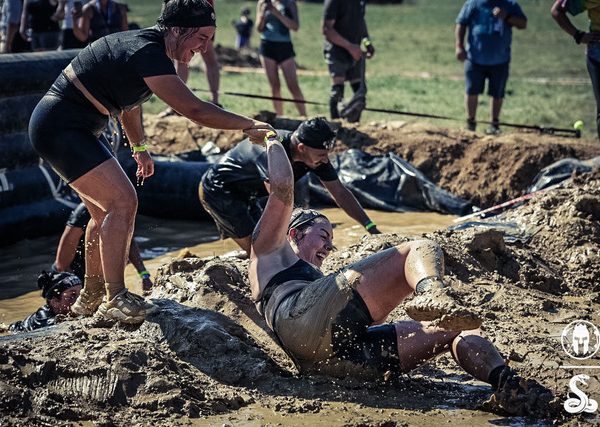
I love staying active and exploring. I enjoy working out, hiking, and horseback riding, and I’m always on the lookout for scenic views. I also love exploring small towns across the U.S., trying new coffee shops, and painting pottery. Reading is another favorite pastime, and I value spending quality time with friends and family. These activities help me recharge, stay creative, and maintain balance alongside the demands of research.
What are you reading, listening, or watching right now?
Right now, I’m reading Mere Christianity by C.S. Lewis and 101 Essays That Will Change the Way You Think. I love podcasts and often listen to the Dr. Layne Norton Podcast, The Peter Attia Drive, and The Nick Bare Podcast. Music is also a big part of my downtime, and I gravitate toward folk and indie artists like The Lumineers, Lord Huron, Gregory Alan Isakov, and Mumford & Sons.