Stephen Doster
-
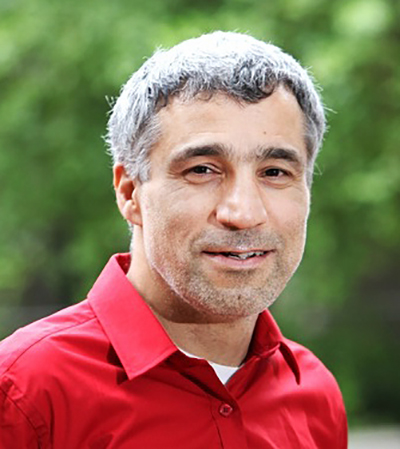
Hunger signals, including those from cannabinoids, mapped in the brain
Cannabis is well-known for having an effect on eating behaviors. However, how the natural cannabinoid molecules found in the body regulate feeding and eating is not well researched. Masoud Ghamari-Langroudi, research assistant professor of molecular physiology and biophysics, research assistant professor of pharmacology and faculty affiliate… Read MoreMar. 25, 2022
-
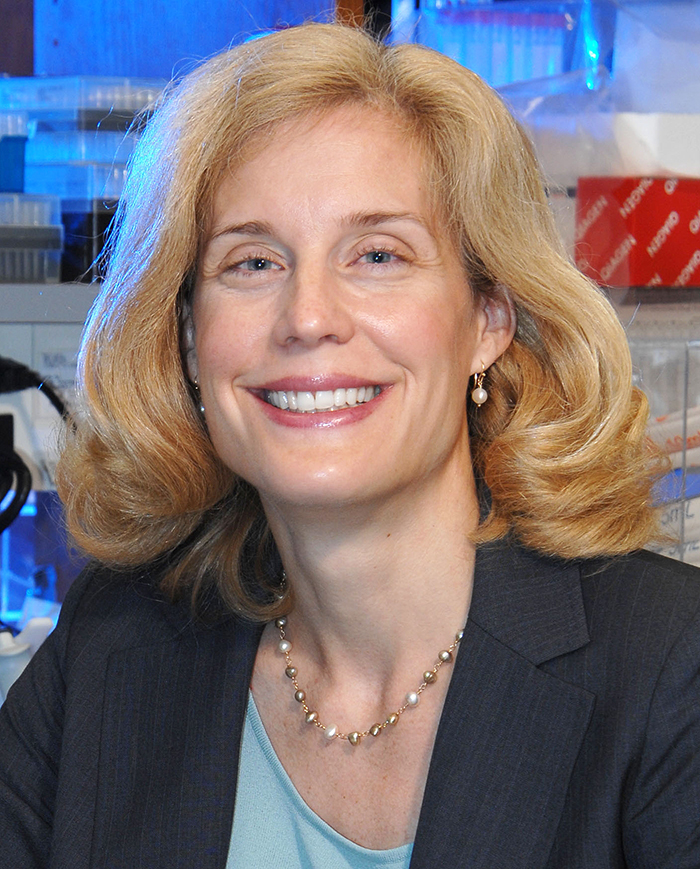
Pietenpol named AACR Fellow
The American Association for Cancer Research (AACR) has inducted Jennifer Pietenpol, PhD, and Yu Shyr, PhD, into the 2022 class of Fellows of the AACR Academy. The mission of the AACR Academy is to recognize and honor distinguished scientists whose scientific contributions have propelled significant innovation and progress against cancer. Read MoreMar. 24, 2022
-
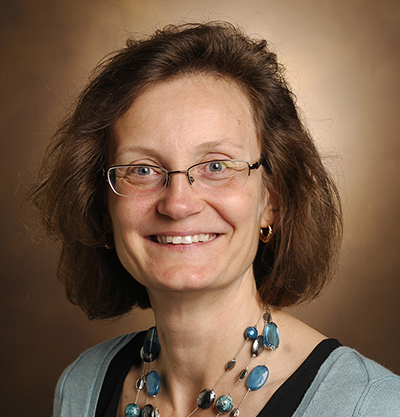
Improving insulin sensitivity
By Wendy Bindeman Ambra Pozzi Ambra Pozzi, professor of medicine and of molecular physiology and biophysics, first author Kakali Ghoshal (a postdoc in the Pozzi lab), and colleagues recently published a study showing that supplementation with an analog of a lipid metabolite called epoxyeicosatrienoic acid, which is involved in insulin… Read MoreMar. 15, 2022
-
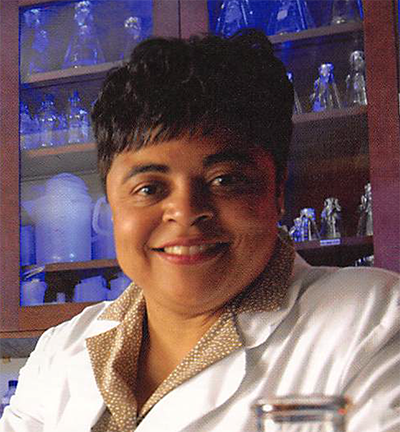
Kimberly Newsom in Pietenpol lab honored with Research Staff Award
Laboratory and administrative personnel at Vanderbilt University Medical Center were honored March 4 for research excellence during the 18th annual Research Staff Awards Ceremony at the Aertson Hotel in Nashville. Jennifer Pietenpol, PhD, director of the Vanderbilt-Ingram Cancer Center and VUMC’s Executive Vice President for Research, and Lawrence Marnett, PhD,… Read MoreMar. 10, 2022
-
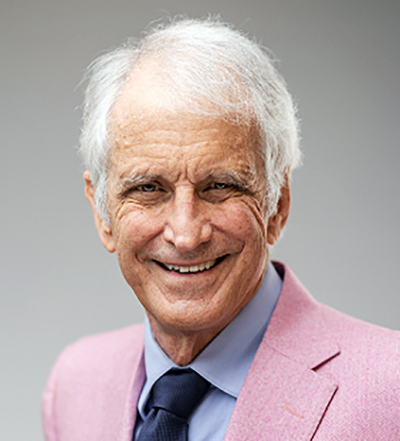
Wikswo and VIIBRE team on track to build third-generation ‘self-driving lab’ with $1M from National Science Foundation
John Wikswo, founder and director of the Vanderbilt Institute for Integrative Biosystems Research and Education and Gordon A. Cain University Professor, is the principal investigator of a $1 million award from the National Science Foundation. The object is to build a pathbreaking… Read MoreMar. 10, 2022
-
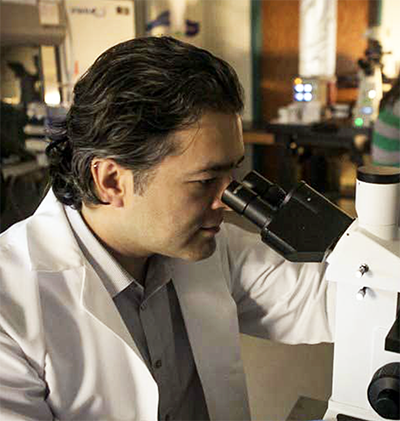
Probing cancer cell invasion
Cancer cells metastasize, or spread to different parts of the body, by escaping from a primary tumor and invading neighboring tissues. To penetrate normal tissue barriers, migrating cancer cells form membrane protrusions called invadopodia that degrade the surrounding extracellular matrix (ECM). Aron Parekh, PhD, and colleagues… Read MoreMar. 3, 2022
-
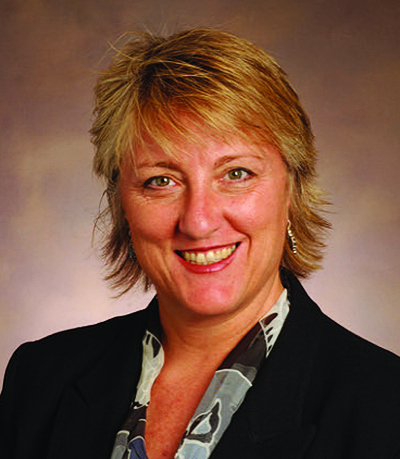
Mass spectrometry analysis reveals massive insight into neuronal signaling
Heidi Hamm, Yun Young Yim By Emily Overway Researchers in the lab of Heidi Hamm, a professor of pharmacology who also holds the Aileen M. Lange and Annie Mary Lyle Chair in Cardiovascular Research, recently published a paper exploring the G protein subunits that interact with the SNARE complex. The… Read MoreMar. 3, 2022
-
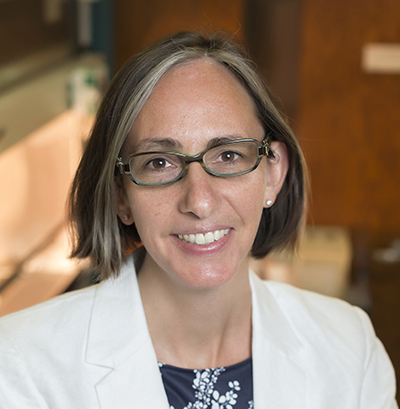
Bachmann, Cortez, Rathmell among faculty honored with endowed chairs
Vanderbilt Chancellor Daniel Diermeier and Provost and Vice Chancellor for Academic Affairs C. Cybele Raver honored faculty from across the university at an endowed chair investiture ceremony on campus Feb. 24, conferring the university’s highest scholastic rank on those who had received the designation during the COVID-19 pandemic in 2020… Read MoreMar. 2, 2022
-
CD40 expression correlates with response to immunotherapy in melanoma patients
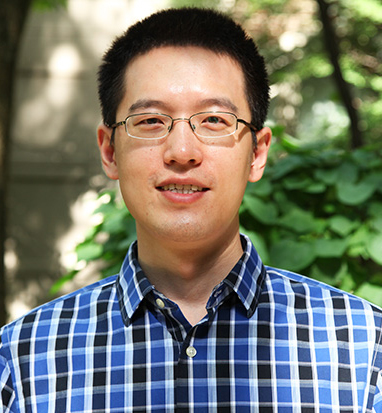
L-R: Ann Richmond, Chi Yan By Wendy Bindeman Ann Richmond, professor of pharmacology, and Chi Yan, a research assistant professor in the Richmond lab, recently published a study showing that expression of a protein called CD40 can be used to predict response to immunotherapy in malignant melanoma. Read MoreMar. 1, 2022
-

Vanderbilt team discovers potential explanation for treatment resistance in skin cancer
Many melanoma patients are treated with drugs called BRAF or MEK inhibitors that specifically target the mutant proteins created in cancerous tumors. These inhibitors can block the tumors’ ability to grow and spread. According to Ann Richmond, Ingram Professor of Cancer Research and professor of pharmacology… Read MoreFeb. 28, 2022