Stephen Doster
-
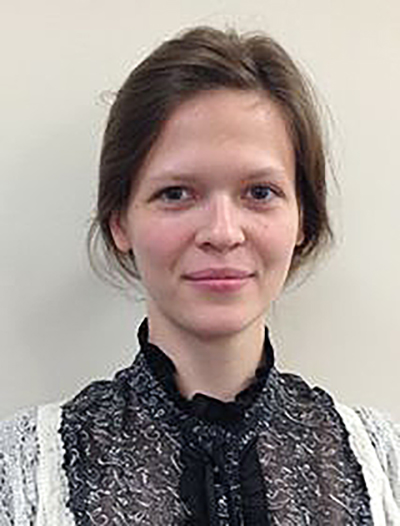
New CRISPR screening technique developed at Vanderbilt leads to discovery of pathway that may be linked to cancer initiation
by Marissa Shapiro Mar. 10, 2021, 9:00 AM A new genome-wide CRISPR screening technique conducted by researchers at Vanderbilt University is offering new insights about how tumors in 80 to 90 percent of all cancers grow. Maria Fomicheva Ian Macara (Vanderbilt University) This novel… Read MoreMar. 10, 2021
-

Monoclonal antibody “cocktail” blocks COVID-19 variants: study
Mar. 4, 2021, 11:19 AM by Bill Snyder A monoclonal antibody “cocktail” developed at Vanderbilt University Medical Center to neutralize the COVID-19 virus is effective against all known strains, or variants, of the virus, according to a report published today in the journal Nature Medicine. That was one… Read MoreMar. 5, 2021
-
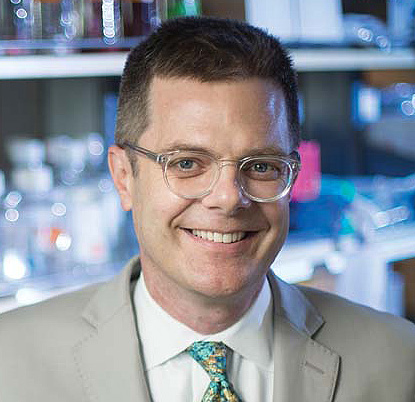
Chikungunya antibody identified by Crowe lab moves forward
Mar. 4, 2021, 8:54 AM by Bill Snyder Evotec, a drug company headquartered in Hamburg, Germany, has begun a phase 1 clinical trial of a monoclonal antibody against the chikungunya virus that was identified at Vanderbilt University Medical Center. This is the second monoclonal antibody against the debilitating tropical… Read MoreMar. 4, 2021
-

Bordenstein elected to American Academy of Microbiology
by Ann Marie Deer Owens Mar. 2, 2021, 5:30 PM Seth Bordenstein (Vanderbilt University) Seth Bordenstein, Centennial Professor of Biological Sciences, has been elected to fellowship in the American Academy of Microbiology, the honorific leadership group within one of the… Read MoreMar. 3, 2021
-
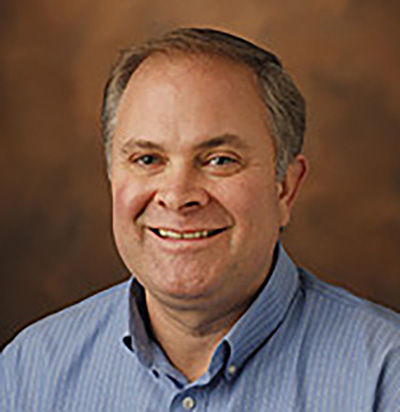
Vanderbilt-developed obesity treatments will be advanced through collaboration with Soleno Therapeutics
by Marissa Shapiro Feb. 25, 2021, 8:00 AM A new partnership between Vanderbilt University’s Warren Center for Neuroscience Drug Discovery and clinical stage biopharmaceutical company Soleno Therapeutics will further research into new clinical treatments for multiple obesity syndromes. Jerod Denton Craig Lindsley… Read MoreFeb. 26, 2021
-

Despite limitations of pandemic, research continues in Basic Sciences
Feb. 24, 2021, 8:00 AM By Jenna Somers Vanderbilt researchers are prolific and resolute in their pursuit of transformative research and innovation. During the Research Ramp-up process, more than 3,000 Vanderbilt research personnel have returned to in-person research activities, while many others have continued remotely through perseverance and ingenuity. On… Read MoreFeb. 24, 2021
-
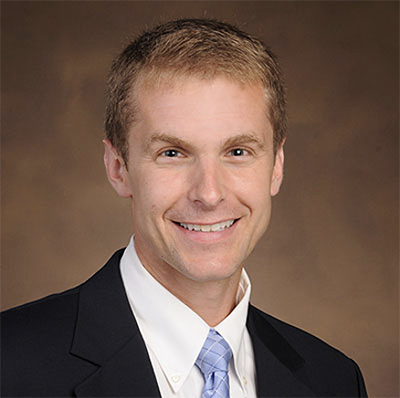
Calcification after severe injury
Feb. 23, 2021, 8:00 AM by Emily Stembridge Patients with severe injuries, such as level 1 trauma or burns, face many complications of calcification during recovery. One is loss of bone, or osteoporosis. Another is calcification of soft tissue, resulting in heterotopic… Read MoreFeb. 23, 2021
-
Christov & Westover Receive Research Staff Awards
Research Staff Awards honor those who help drive engines of discovery Feb. 18, 2021, 9:57 AM by Bill Snyder Laboratory and administrative personnel at Vanderbilt University Medical Center were honored last week for research excellence during the 17th annual Research Staff Awards, held virtually this year because of the… Read MoreFeb. 22, 2021
-
Genetic clues in eye birth defect
Feb. 18, 2021, 11:00 AM by Leigh MacMillan Uveal coloboma can affect the iris — the colored part of the eye — giving it a keyhole appearance. (iStock) Uveal coloboma — a birth defect that causes a malformation of the eye — accounts for up to 10% of childhood blindness. Read MoreFeb. 18, 2021
-
Dean’s Faculty Fellows program recognizes Neuert, Ren
By Lorena Infante Lara, February 15, 2021 Assistant Professor of Biochemistry Yi Ren and Assistant Professor of Molecular Physiology and Biophysics Gregor Neuert have been recognized as School of Medicine Basic Sciences Dean’s Faculty Fellows. Established in 2020, the Dean’s Faculty Fellows program in Basic Sciences is designed to recognize… Read MoreFeb. 17, 2021