Marissa Shapiro
-

Ege Kavalali elected fellow of the American Association for the Advancement of Science
Kavalali’s team identified spontaneous neurotransmission–dependent signaling mechanisms that help explain how certain antidepressants can act rapidly in the brain. Read MoreMar. 27, 2026
-
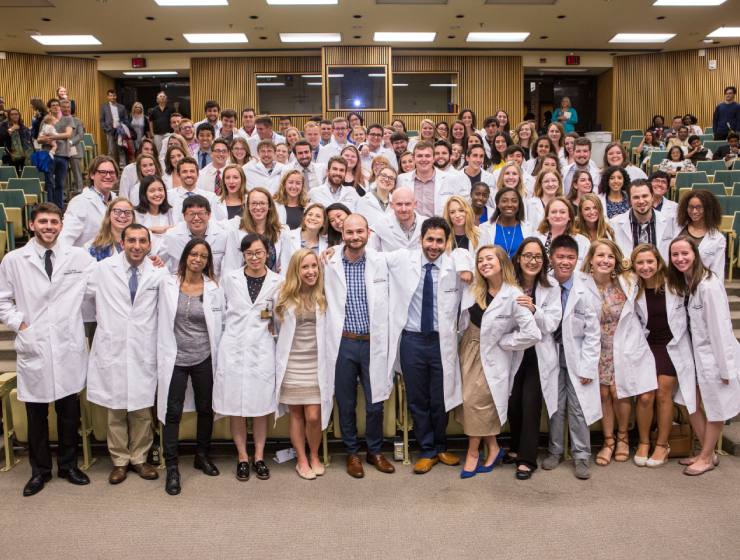
Roger Chalkley, Ph.D. Critical Need Fund supports trainees when life’s unexpected challenges arise
As Vanderbilt prepares for Giving Day, the Roger Chalkley, Ph.D. Critical Need Fund highlights the powerful impact that philanthropic support can have on trainees navigating the unpredictable realities of life during graduate school. Read MoreMar. 17, 2026
-

Anti-Marburg antibody from Vanderbilt Health sent to Ethiopia during outbreak
MBP091, an investigational, anti-Marburg virus antibody identified by Vanderbilt Health researchers and under development by San Diego-based Mapp Biopharmaceutical Inc., was provided to Ethiopian health officials during that country’s first outbreak of the deadly viral infection late last year. Read MoreFeb. 19, 2026
-

Katrin Karbstein named vice chair of biochemistry
Katrin Karbstein, the co-leader of the Cancer Cell Biology Research Program in the Vanderbilt-Ingram Cancer Center, will now expand her focus to support her department’s mission across research, service, and education, with a special focus on faculty affairs. Read MoreFeb. 19, 2026
-

Novel vaccine protects against C. diff disease and recurrence
New study from Borden Lacy and Audrey Thomas represents a major step forward for vaccine development for C. diff, the leading cause of health care- and antibiotic-associated infection. Read MoreFeb. 18, 2026
-

Neuroscientist Shan Meltzer named 2026 Sloan Research Fellow
Shan Meltzer was named a Sloan Research Fellow, one of the most competitive honors available to young investigators, for her research into how the neural circuits responsible for touch and pain processing are built and organized. Read MoreFeb. 17, 2026
-

Targeting immune suppression to overcome melanoma resistance
Ann Richmond outlines a promising therapeutic strategy that may re-sensitize treatment-resistant tumors to immunotherapy. The research introduces a three-drug combination that enhances immune activity and suppresses tumor-promoting immune cells. Read MoreFeb. 16, 2026
-
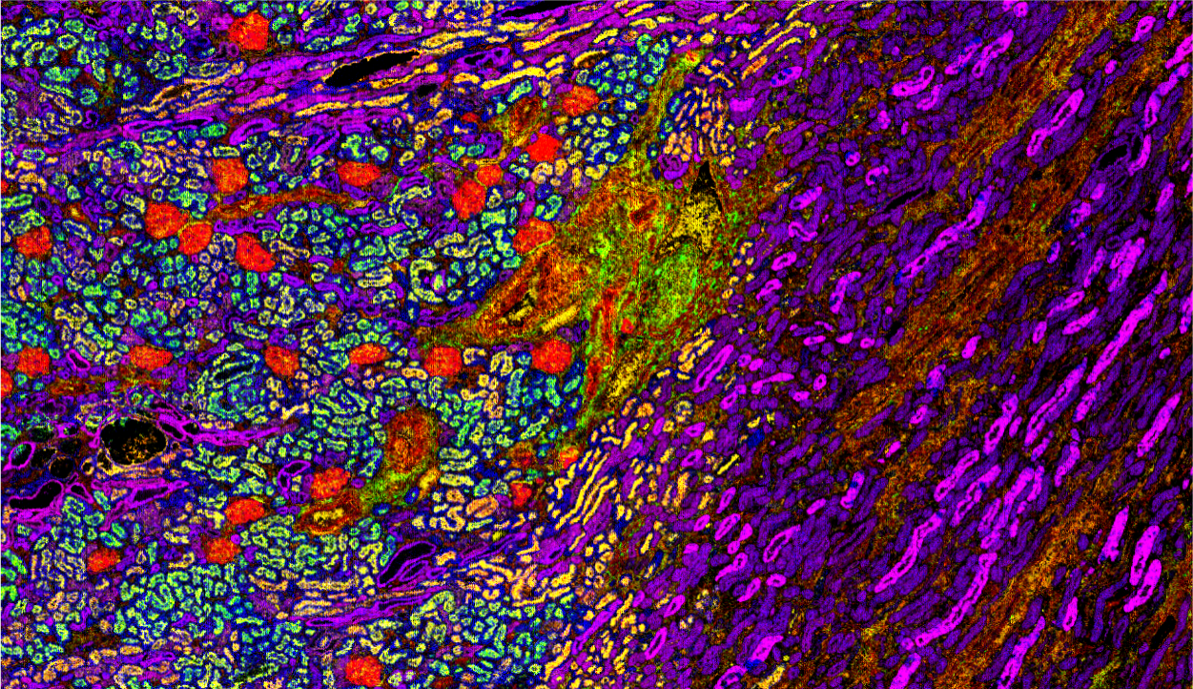
Protein plays dual roles in repairing damaged kidney
In a new study, Vanderbilt researchers found that by promoting the formation of actin cytoskeleton inside the epithelial cells lining the proximal tubules, Rac1 facilitates removal and replacement of mitochondria damaged by ischemia. Read MoreDec. 11, 2025
-
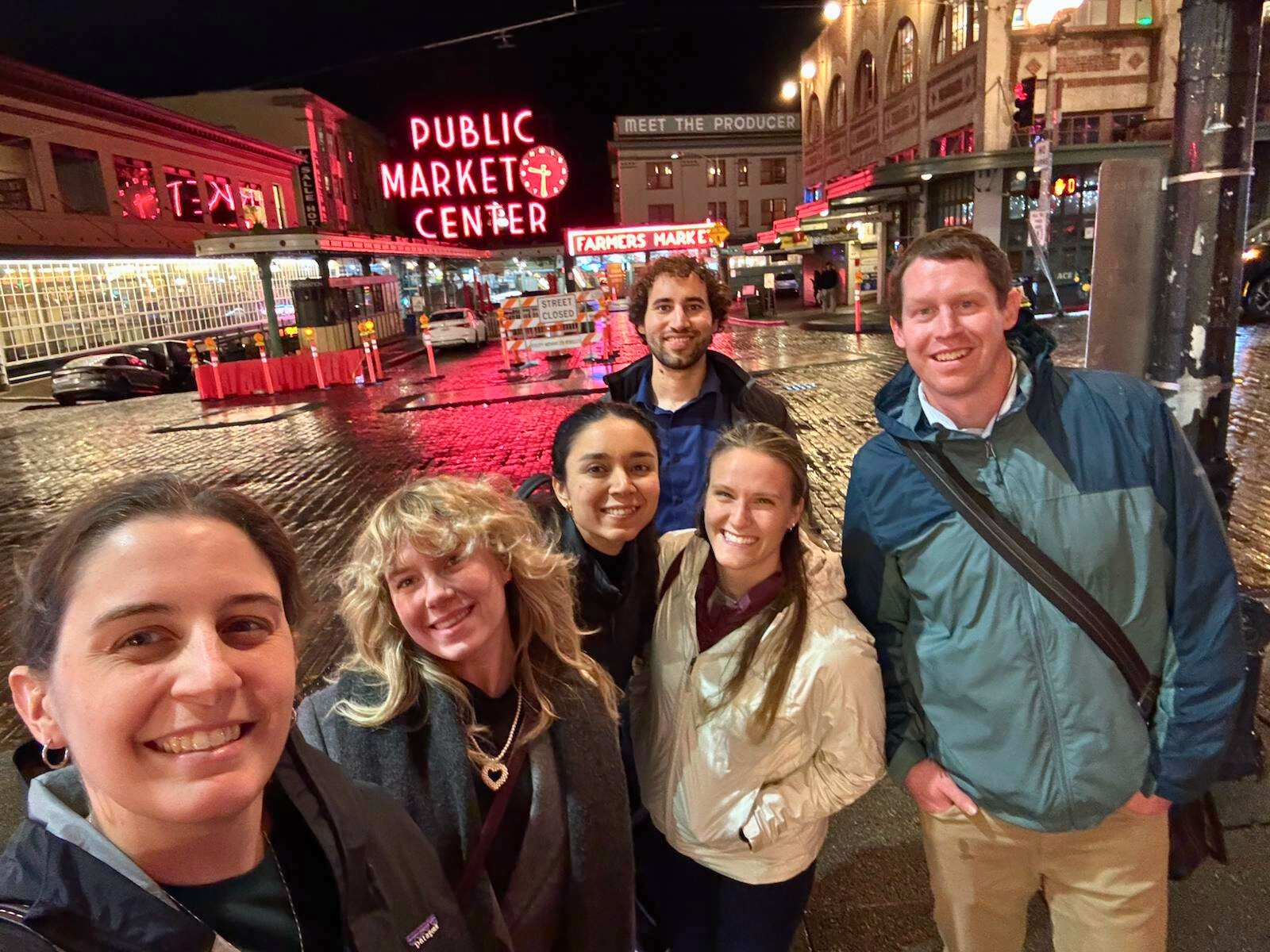
Seeing Seattle: ASPIRE on the Road visits the Pacific Northwest
“After this trip, I now see the job search, networking, and application process as an exciting journey—a journey to meet great people, to better understand myself, to identify work cultures where I can belong and thrive, and to develop professional skills beyond my Ph.D. training,” Zhengyi Chen, a Ph.D. candidate in chemical and physical biology said. Read MoreDec. 2, 2025
-

Erin Calipari receives ACNP’s Daniel H. Efron Research Award
With novel insights in understanding and treating substance use disorder that have redirected neuropsychopharmacological dogma, Erin Calipari receives award from the American College of Neuropsychopharmacology. Read MoreDec. 1, 2025