Breast Cancer
-

Getting more bang for your buck
Ever wonder what about the ROI on biomedical research looks like? At the Vanderbilt University School of Medicine Basic Sciences, scientists are delivering answers—by driving discoveries that are already improving human health and paving the way for tomorrow’s treatments. This 2025–26 roundup highlights some of the year’s most exciting advances, showing the extraordinary value of sustained support for biomedical science. Read MoreApril 14, 2026
-

Breast Cancer Research
Breast Cancer Breast cancer occurs when cells in the breast mutate and grow uncontrollably, forming tumors in ducts or lobules. It is the second most common cancer in U.S. women, with a 90% five-year survival rate due to advances in treatment. .story-list .story-list__topper { display: flex; justify-content: space-between; align-items: center;… Read MoreJanuary 10, 2026
-
Breast Cancer Research – Original
Breast Cancer research Breast cancer occurs when cells in the breast mutate and grow uncontrollably, forming tumors in ducts or lobules. It is the second most common cancer in U.S. women, with a 90% five-year survival rate due to advances in treatment. School of Medicine Basic Sciences Breast Cancer… Read MoreJanuary 10, 2026
-
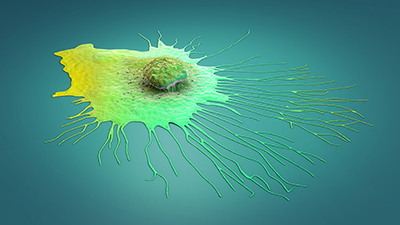
A package deal: Diagnosing and treating breast cancer with a single complex
Vanderbilt researchers have developed a nanoparticle complex that can both visualize and attack cancer cells by targeting the tumor microenvironment. Read MoreMay 7, 2025
-
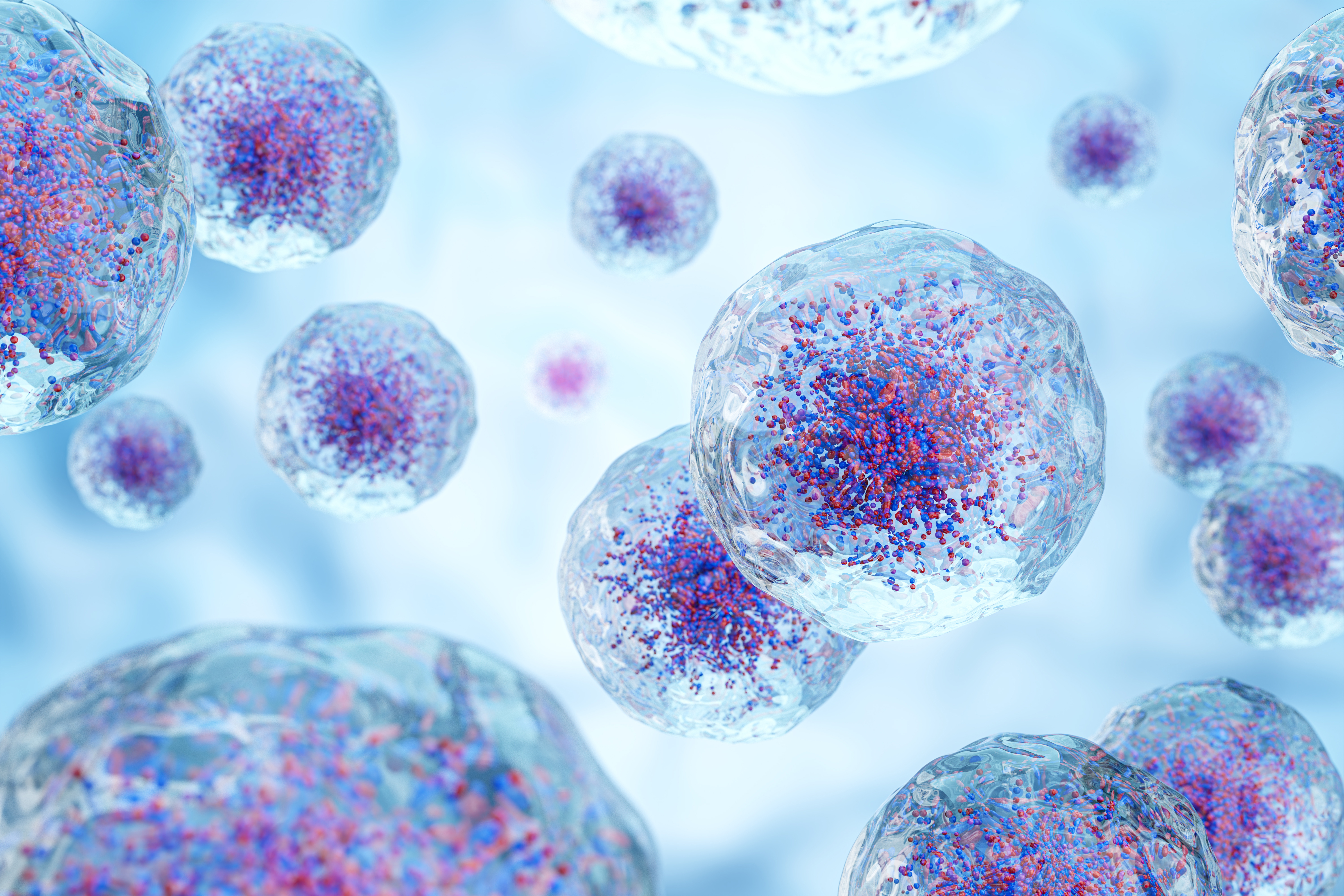
Vanderbilt researchers identify potential drug combinations to improve breast cancer treatment
Triple-negative breast cancer accounts for 10 percent of breast cancer cases in the U.S. annually. As T-cells that normally kill cancer cells often become exhausted and stop, Vanderbilt pharmacologists are seeking chemotherapy or targeted therapy approaches that can enhance the T-cell killing of cancer cells. Read MoreMarch 10, 2025
-

Promising drug-like compounds found to have strong action against blood cancers
For researchers, projects can sometimes feel like babies, and there is nothing more satisfying than seeing your baby grow up. For William Tansey, professor of cell and developmental biology, this baby started 10 years ago when he and Stephen Fesik, Orrin H. Ingram II, Professor of Cancer Research and professor of biochemistry, discovered that a protein called WDR5 is a “partner in crime” to MYC, a transcription factor and oncogene that is often mutated in cancers. In fact, dysregulation of MYC is estimated to be responsible for about a third of all cancer deaths annually. Read MoreSeptember 3, 2024
-

Sugar compounds in breast milk relieve uncomfortable side effects caused by chemotherapy
Two Vanderbilt researchers have isolated sugar compounds in breast milk that can relieve hidden yet life-altering negative side effects of cancer treatment. Traditional chemotherapy destroys cancer by killing rapidly growing cancer cells has several visible, relatively minor side effects—rashes, hair loss and bruising. More severe patient reactions to chemotherapy include… Read MoreOctober 8, 2021
-

Breast cancer cells ‘steal’ nutrients from immune cells: study
Apr. 1, 2021, 9:33 AM Deanna Edwards, PhD, left, Jin Chen, MD, PhD, and colleagues are studying a new therapeutic strategy for triple-negative breast cancer. (photo by Donn Jones) by Leigh MacMillan Triple-negative breast cancer cells engage in a “glutamine steal” — outcompeting T cells for the nutrient glutamine and… Read MoreApril 2, 2021
-
Study reveals new strategy for reducing tumor growth, metastasis
Dec. 17, 2020, 10:05 AM Ann Richmond, MD, Chi Yan, PhD, Jinming Yang, PhD, and colleagues are studying ways to boost antitumor immunity and reduce tumor growth in breast cancer and melanoma. (photo by Donn Jones) by Leigh MacMillan A team of Vanderbilt investigators has discovered that blocking a certain… Read MoreDecember 17, 2020
-

Study explores the role of MYCN in Triple Negative Breast Cancer diagnosis and treatment
By Mary Alice Keller Triple-negative breast cancer is a type of breast cancer that tests negative for the three receptors that are commonly found in breast cancer: estrogen receptors, progesterone receptors, and human epidermal growth factor receptor 2 (HER2) receptors. The oncogene MYCN regulates cancer cell growth, proliferation, metabolism, and… Read MoreSeptember 10, 2020