Cancer
-

Linkous advances lung cancer research with Merck Research Laboratories Scientific Engagement and Emerging Discovery Science program
A research grant to study lung and cerebral organoids will yield insights into the sensitivity of lung and brain tumors to commercially available antibody-drug conjugate payloads. The OVPRI Industry Collaborations group facilitated the collaboration. Read MoreSep. 18, 2024
-

Promising drug-like compounds found to have strong action against blood cancers
For researchers, projects can sometimes feel like babies, and there is nothing more satisfying than seeing your baby grow up. For William Tansey, professor of cell and developmental biology, this baby started 10 years ago when he and Stephen Fesik, Orrin H. Ingram II, Professor of Cancer Research and professor of biochemistry, discovered that a protein called WDR5 is a “partner in crime” to MYC, a transcription factor and oncogene that is often mutated in cancers. In fact, dysregulation of MYC is estimated to be responsible for about a third of all cancer deaths annually. Read MoreSep. 3, 2024
-

Vanderbilt basic science alum Q&A: Randy Perera
Randy Perera, Fellow'24, who worked in the biochemistry department and is now a scientist at the pharmaceutical and biotech company MilliporeSigma (Merck KGaA) sat down with us to discuss his experience studying basic science at Vanderbilt and how it played a role in his career. Read MoreJul. 29, 2024
-
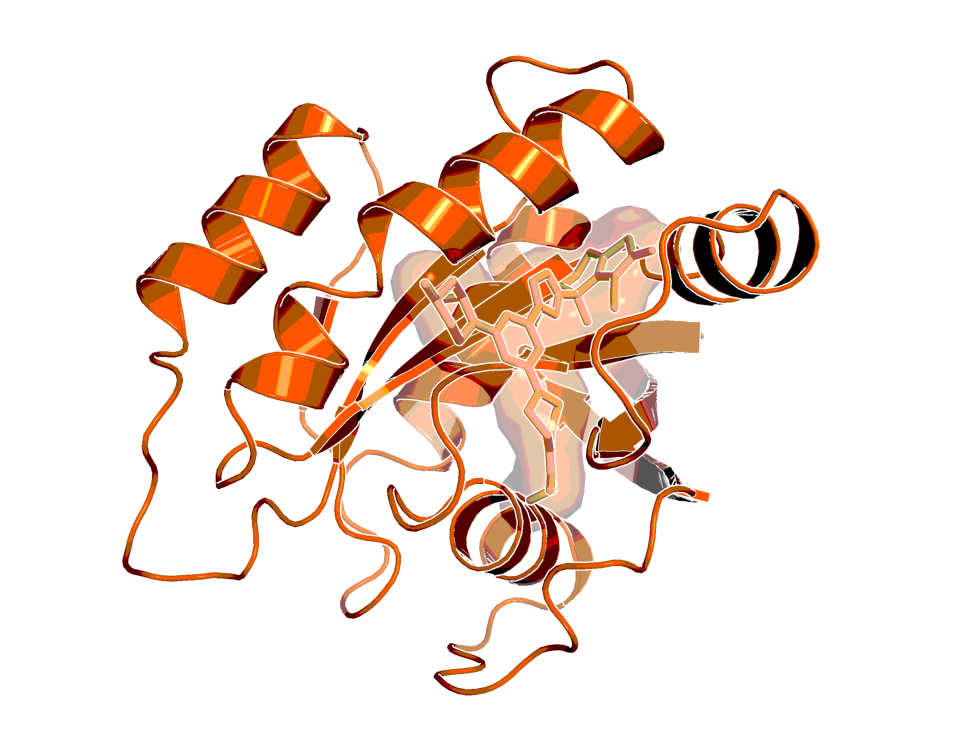
Vanderbilt-discovered cancer killing compound is now available through Boehringer Ingelheim open science portal opnMe
By targeting a notoriously undruggable protein found in many cancers, the discovery of BI-0474 may pave the way for new cancer treatments. Shared on opnMe.com by Boehringer Ingelheim, this innovative molecule is available for global researchers to explore new research avenues. Read MoreMay. 28, 2024
-

Research Snapshot: Understanding protein mutations that affect gene expression
Foundational research from the Hiebert lab reveals genetic targets that can be leveraged to identify therapies that affect lymphoma cell growth. Read MoreMay. 23, 2024
-
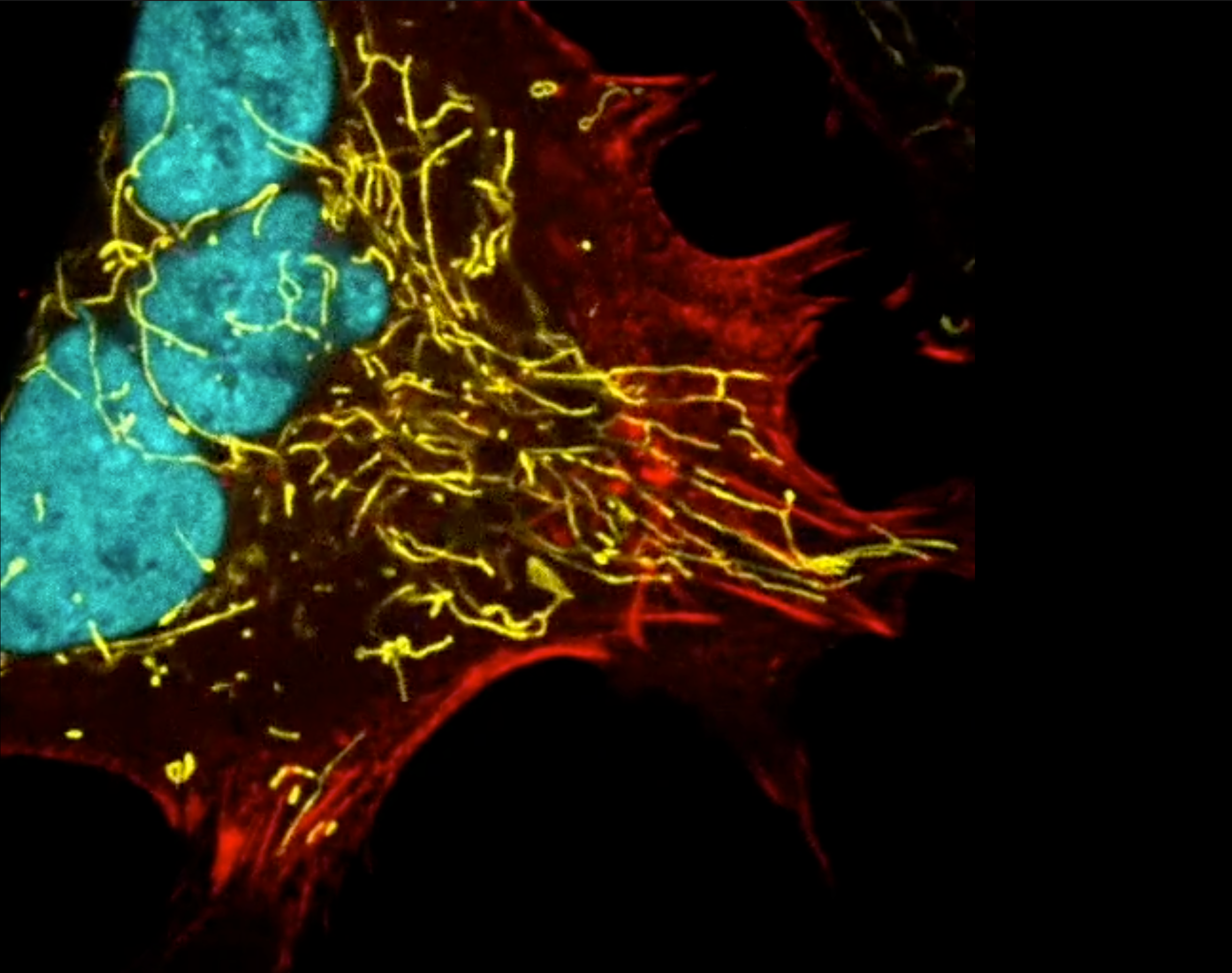
New cancer target could push new drugs into the clinic
New work by Professor of Cell and Developmental Biology Bill Tansey and colleagues has determined that a new type of inhibitor—a WINi—targets cancer cells in a novel way and suggests exploiting this pathway in future anticancer drug development efforts. Read MoreMay. 14, 2024
-
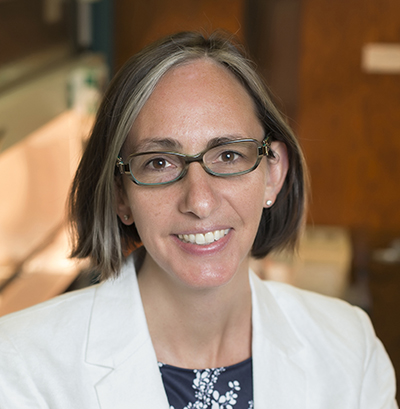
A Nobel-worthy discovery spawns a new field—and new therapies
Cohen was awarded the 1986 Nobel Prize in Physiology or Medicine for his discovery of epidermal growth factor, a protein produced in the body that influences the development of nerve and skin tissues by stimulating cell growth and differentiation. The discovery of EGF launched an entire field of research into growth factor signaling and had major impacts on human health. Read MoreMar. 7, 2024
-
Cell and Developmental Biology pushes the limits of cancer research
If you had visited Vanderbilt nearly a century ago searching for cellular research, you would have found yourself in the Department of Anatomy. Established in 1925, the Department of Anatomy gave way to the Department of Cell Biology before taking on its current moniker—Cell and Developmental Biology—in 2001. Read MoreMar. 7, 2024
-
Study reveals critical first steps to cancer
As cells grow and divide, their DNA needs to be accurately replicated and properly segregated to new cells. Errors during replication or segregation can alter the genome and promote cancer. Now, researchers at Vanderbilt University Medical Center have identified the mechanism by which the enzyme and tumor suppressor SETD2 prevents… Read MoreSep. 28, 2023
-

Neil Dani honored with prestigious 2023 Rita Allen Foundation Scholar award
In a landmark achievement, Neil Dani, an assistant professor in the Department of Cell and Developmental Biology, has been named a 2023 Rita Allen Foundation Scholar. The prestigious grant program supports early-career biomedical scholars who adopt bold and innovative approaches to fundamental… Read MoreAug. 24, 2023