Lorena Infante Lara
-
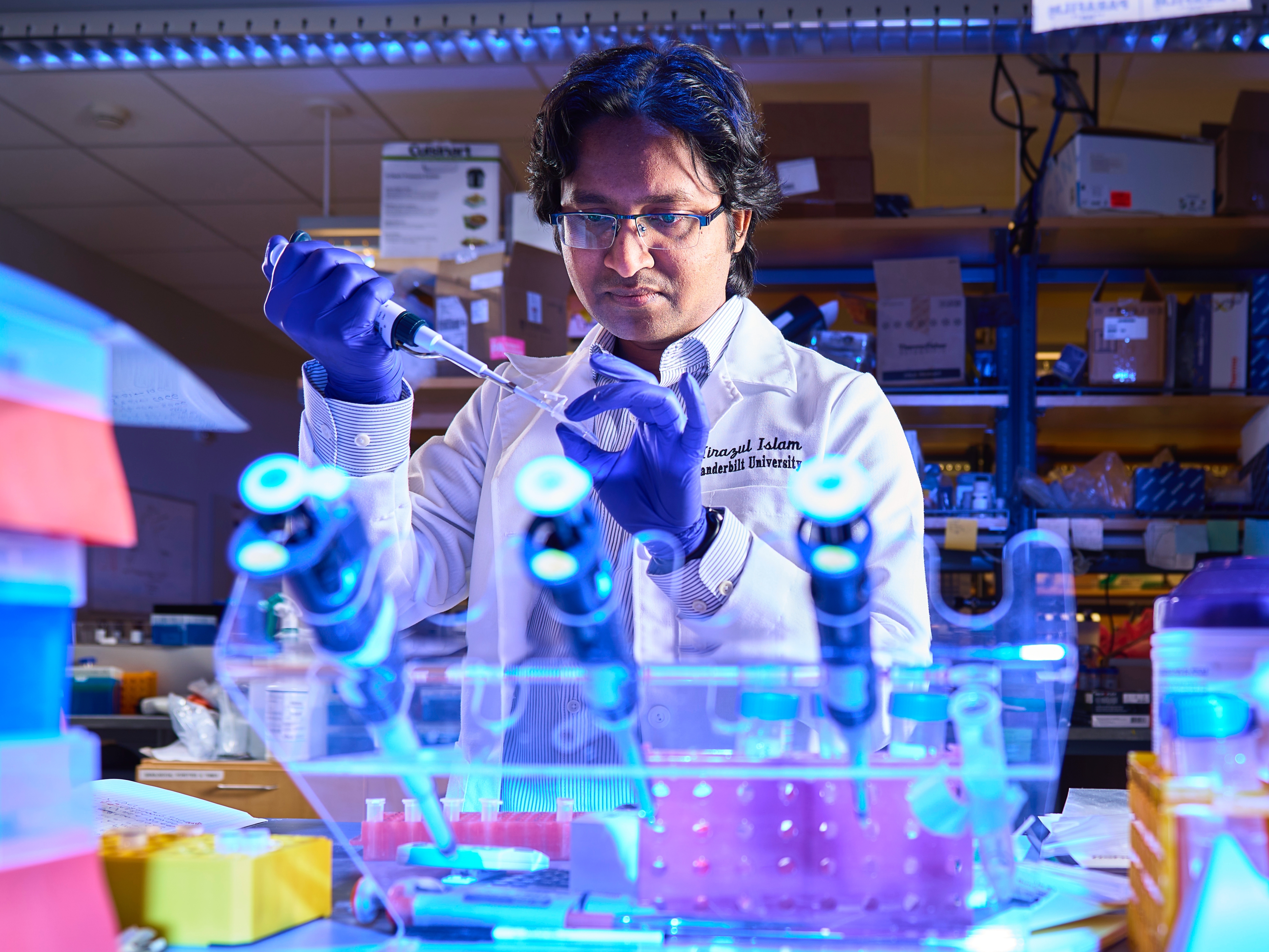
Determining the precise timing of cellular growth to understand the origins of cancer
Mirazul Islam, a graduate student in the lab of Professor Ken Lau, has developed a molecular clock that records the timing of cellular events at a single-cell resolution. Read MoreOct. 31, 2024
-
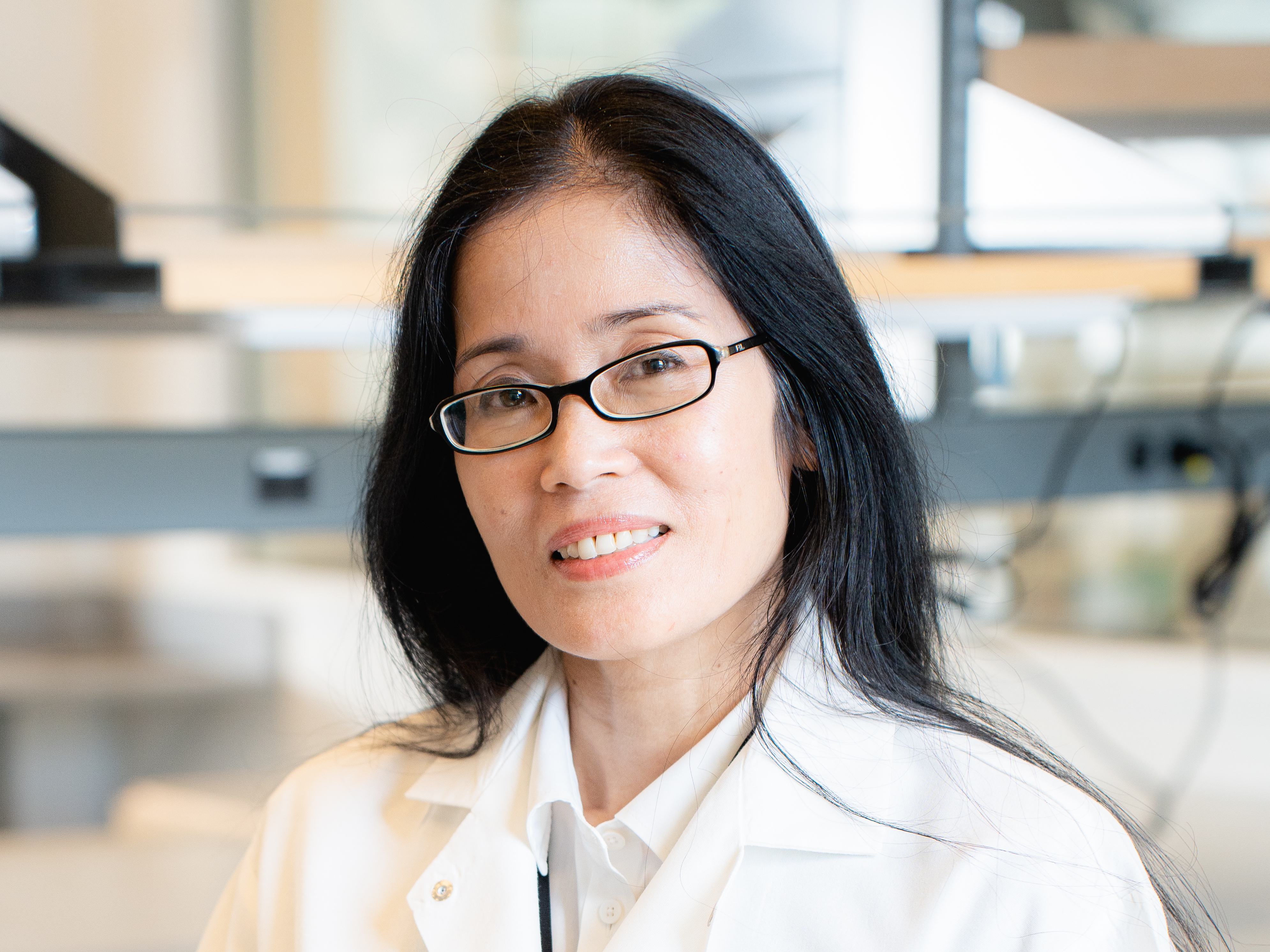
Drug discovery efforts continue in latest chemical chronicle from the Warren Center for Neuroscience Drug Discovery
Led by Craig W. Lindsley, Vanderbilt drug discovery experts set out to develop a backup drug candidate to improve memory loss in people with Alzheimer’s disease. Read MoreOct. 15, 2024
-
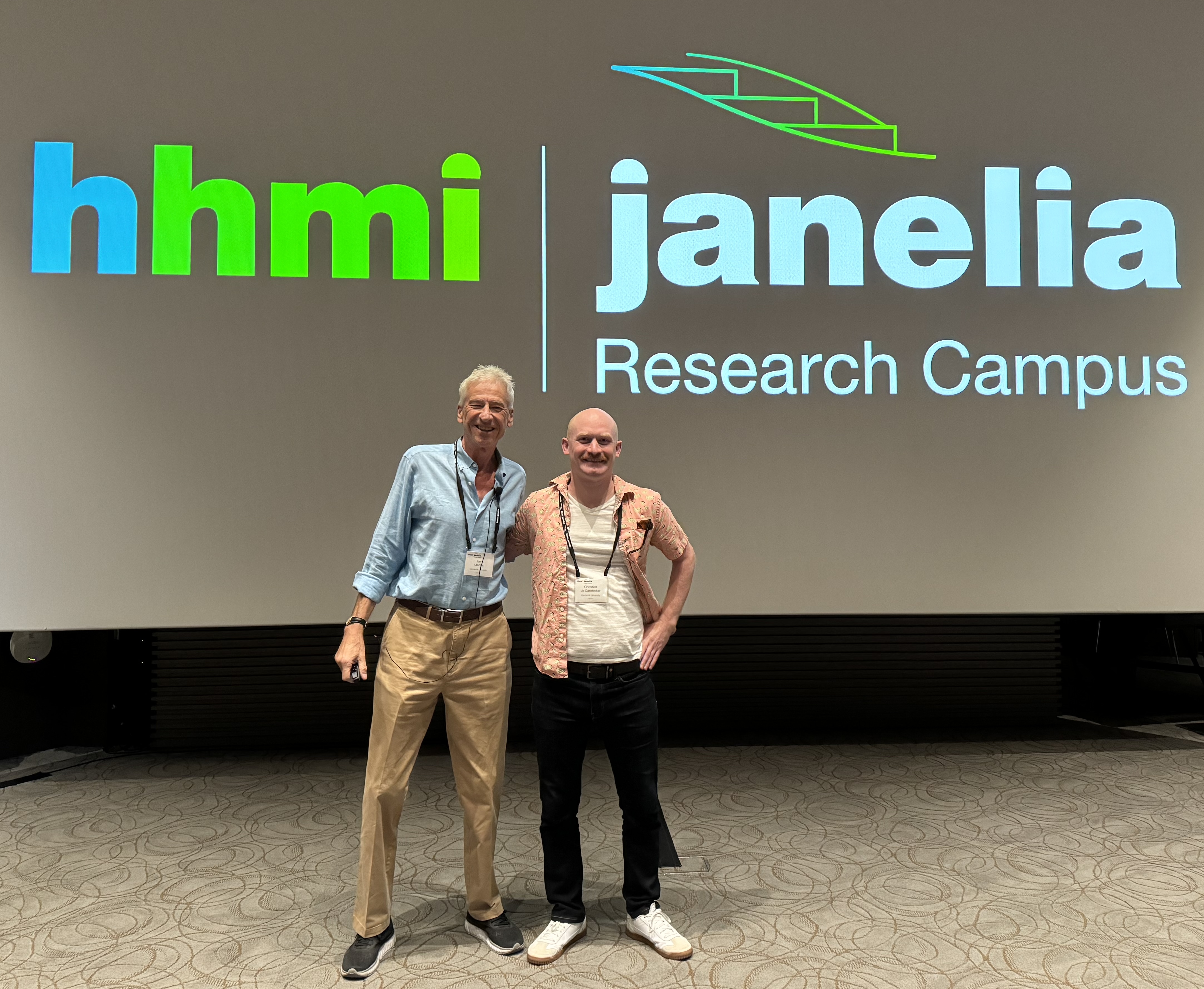
Shedding light on a decades-old protein sorting mystery
Christian de Caestecker, a Ph.D. student in the lab of Ian Macara, Louise B. McGavock Professor and chair of the Department of Cell and Developmental Biology, proposed and validated a mechanism that solved a decades-old mystery: he shed light on the process by which epithelial cells, polarized cells that face the outside world, sort and deliver the specialized proteins they need at each cell’s poles. Read MoreSep. 24, 2024
-
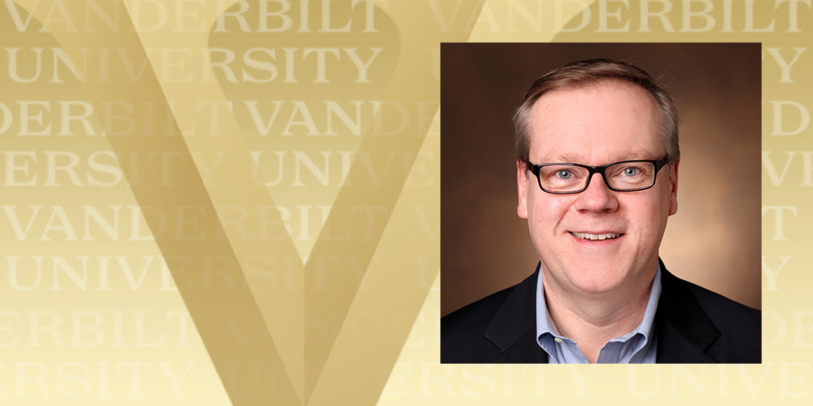
Promising drug-like compounds found to have strong action against blood cancers
For researchers, projects can sometimes feel like babies, and there is nothing more satisfying than seeing your baby grow up. For William Tansey, professor of cell and developmental biology, this baby started 10 years ago when he and Stephen Fesik, Orrin H. Ingram II, Professor of Cancer Research and professor of biochemistry, discovered that a protein called WDR5 is a “partner in crime” to MYC, a transcription factor and oncogene that is often mutated in cancers. In fact, dysregulation of MYC is estimated to be responsible for about a third of all cancer deaths annually. Read MoreSep. 3, 2024
-
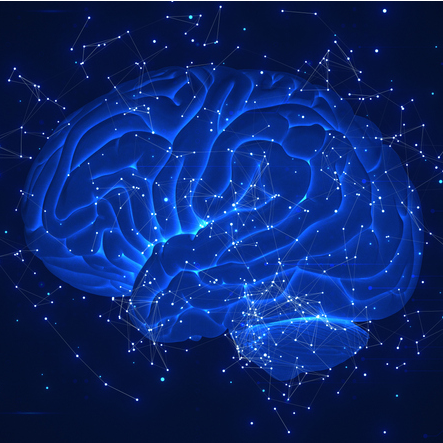
Research Snapshot: Protons can tune synaptic signaling by changing the shape of a protein receptor
Research from Teru Nakagawa, professor of molecular physiology and biophysics, describes intricacies of normal brain function with implications for our understanding of brain injury and recovery: A decrease in pH can modify a neurotransmitter receptor’s structure, thereby modulating its location and kinetics. Read MoreAug. 13, 2024
-
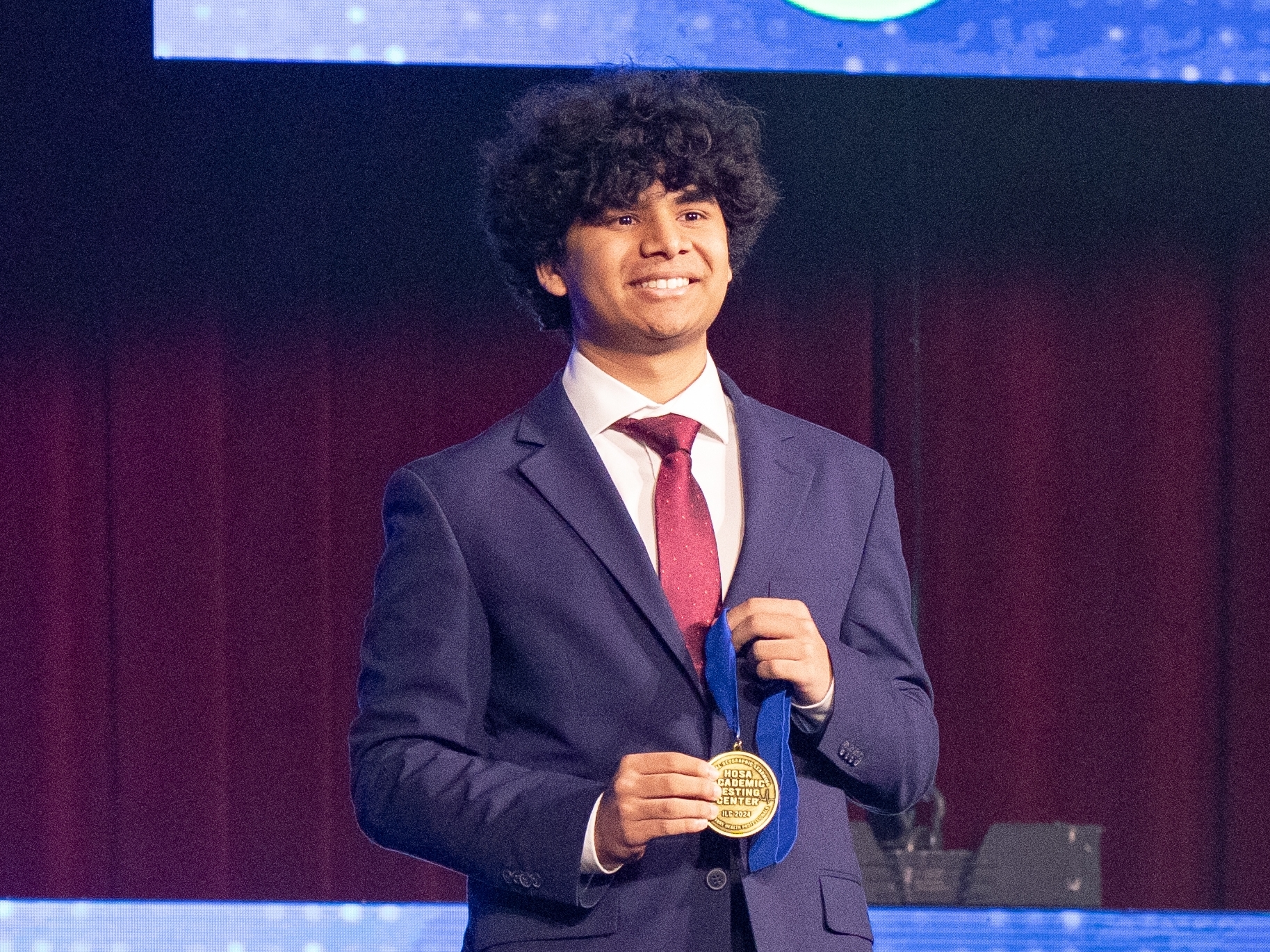
Teebro Paul, Marnett lab intern, wins first and second place at the 2024 Health Occupations Students of America International Leadership Conference
Teebro Paul, a local high school senior interning in the lab of Larry Marnett, won first and second place at two events in HOSA’s recent International Leadership Conference. This year’s event featured over 11,000 contestants. Read MoreAug. 9, 2024
-
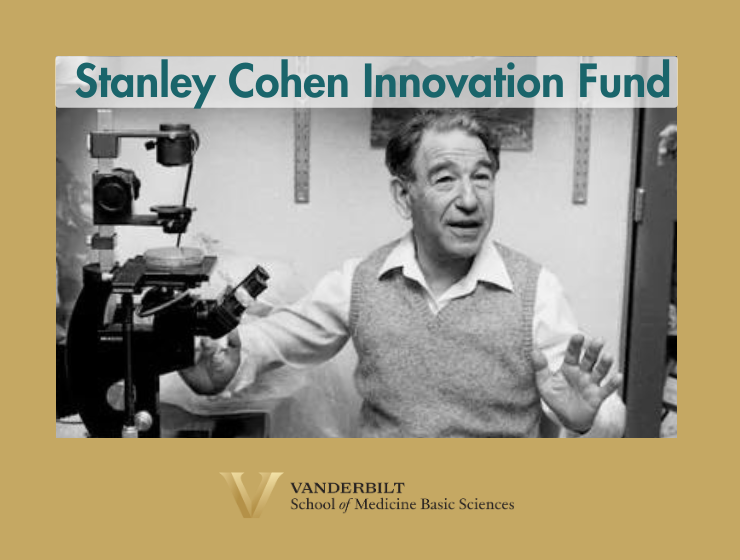
2024 Call for Applications – Stanley Cohen Innovation Fund
The Vanderbilt University School of Medicine Basic Sciences is soliciting 2024 applications for research awards from the Stanley Cohen Innovation Fund. The Cohen fund supports high-risk, ground-breaking research with the potential to open new fields of scientific inquiry and biomedical impact. Read MoreJul. 16, 2024
-
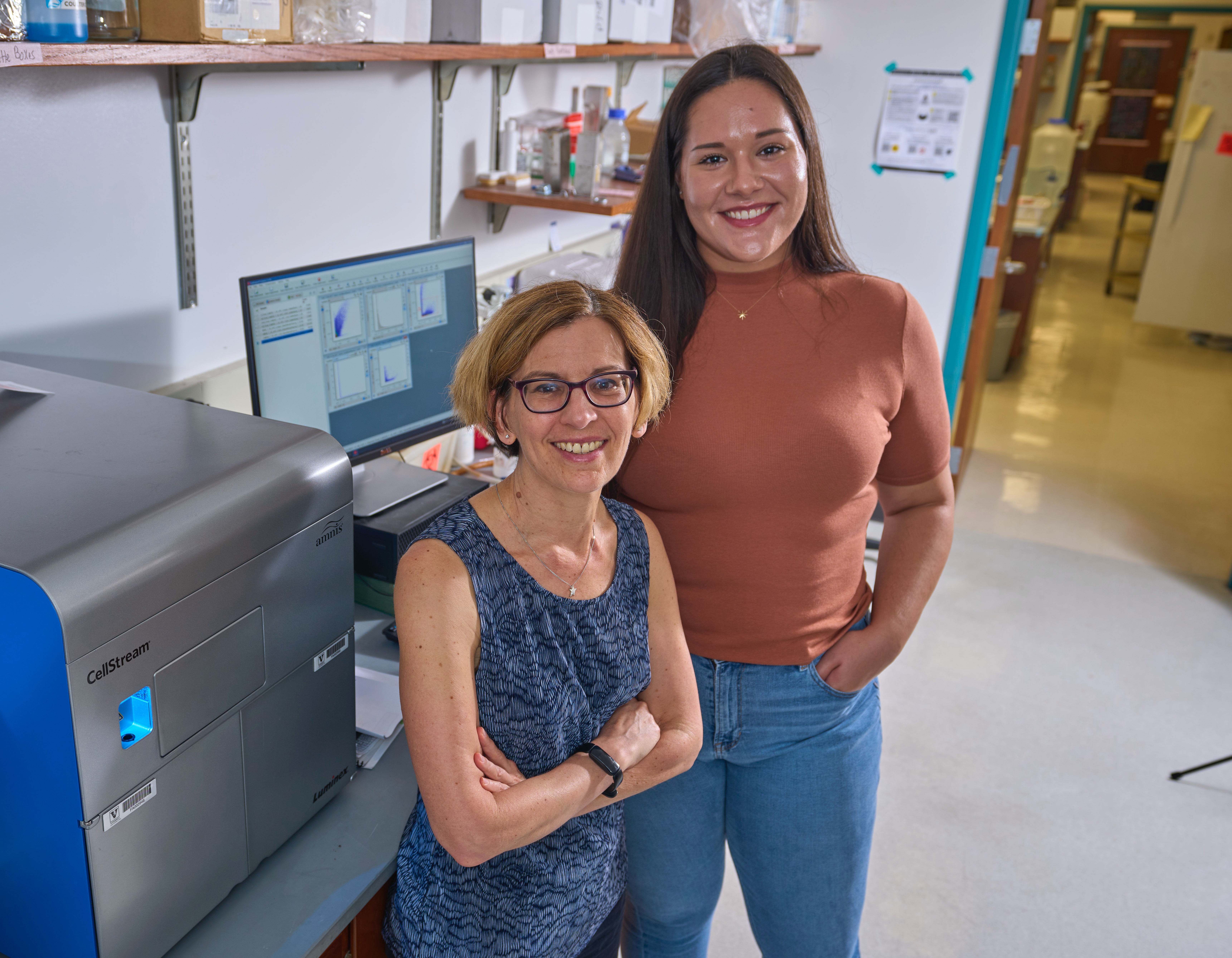
Vanderbilt scientists develop new tool that could lead to noninvasive “liquid biopsies”
Researchers from the School of Medicine Basic Sciences recently developed an analytical tool called EV Fingerprinting that could lead to the use of “liquid biopsies” as a substitute for traditional biopsies for certain patients or diseases. Read MoreJul. 15, 2024
-
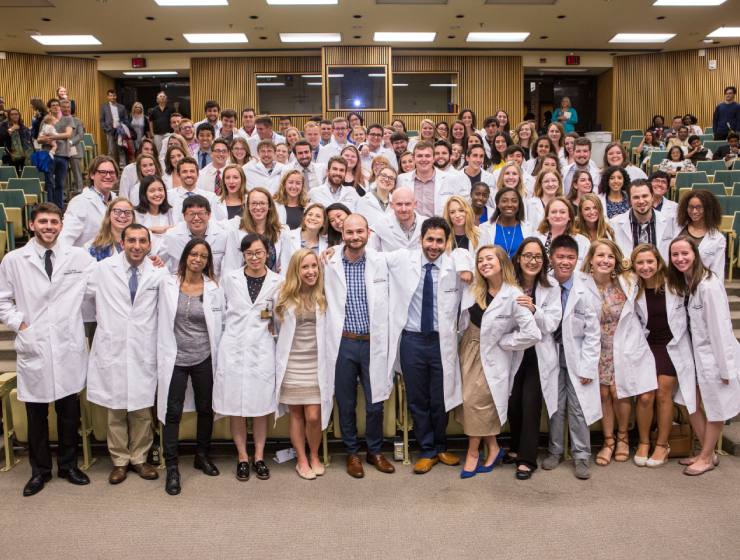
Basic Sciences celebrates its 2023–24 Russell G. Hamilton Graduate Leadership Institute awardees
The Russell G. Hamilton Graduate Leadership Institute, an initiative from the Vanderbilt University Graduate School, recognized over 130 students from the School of Medicine Basic Sciences with awards during the 2023–24 academic year. Read MoreJun. 21, 2024
-
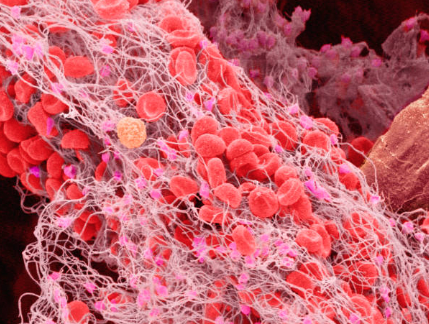
New drug candidates targeting blood clots developed through computer-aided drug design
Using computer-aided drug design, the labs of Heidi Hamm, Jens Meiler, and Craig Lindsley generated a novel series of biologically active compounds that can serve as a basis for anti–blood clot preventative drugs. Read MoreJun. 6, 2024