Discoveries
-
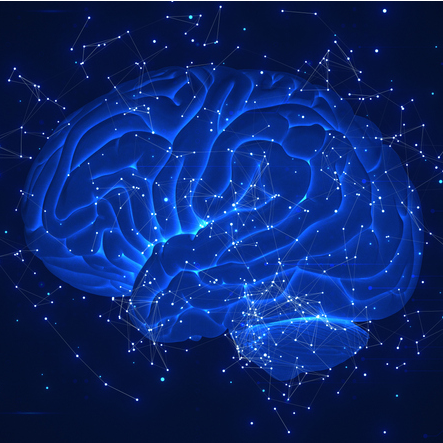
Exploring the basics of neurological disorders: Calcium transport in receptors
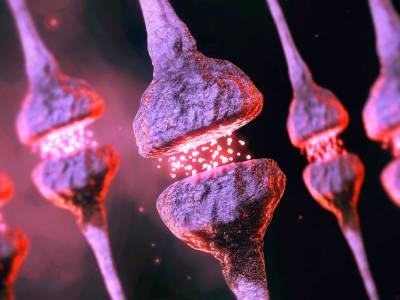
Led by Terunaga Nakagawa, an international collaboration describes for the first time the fundamental mechanism underpinning cellular processes that lead to learning and memory. Read MoreFeb. 26, 2024
-
Three from Vanderbilt community selected to participate in Endocrine Society’s leadership program
A Vanderbilt graduate student and two members of the Meharry-Vanderbilt Alliance joined the Endocrine Society’s leadership program, which provides scientists with leadership development, expanded skills in hands-on training, and networking opportunities with endocrinology leaders. Read MoreFeb. 21, 2024
-

Vanderbilt nanodrug may be a paradigm shift for cancer
A multidisciplinary research team at Vanderbilt University and Vanderbilt University Medical Center has discovered a new way to kill a tumor by disrupting its acidic “microenvironment” without harming normal tissue. The target of this unorthodox approach is hydroxyapatite (HAP), a naturally occurring mineral that is a major component of bone and teeth, but which also is produced by some tumors. Read MoreFeb. 13, 2024
-
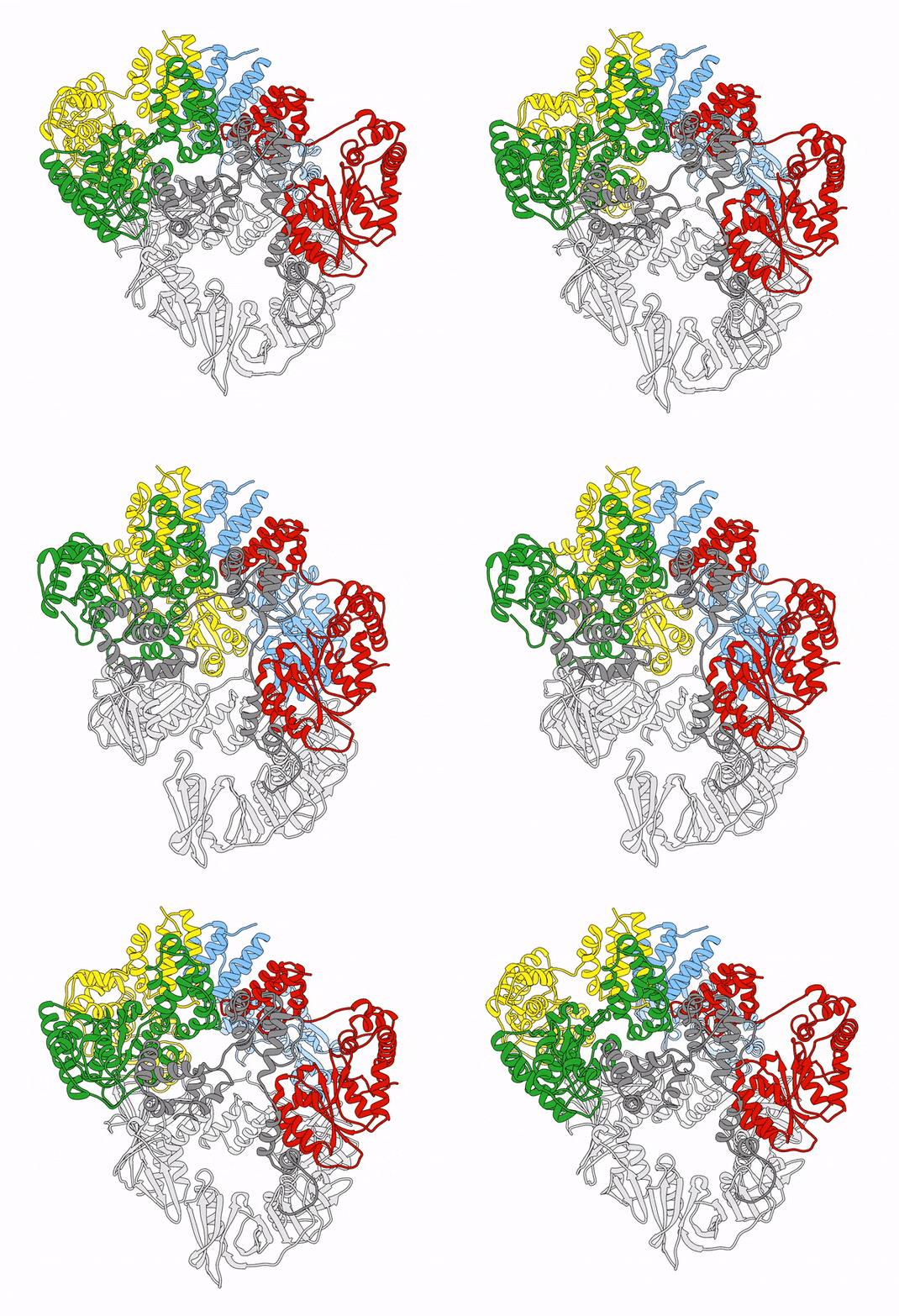
Combining unique methods, Kuriyan lab discovers new protein functions; explores physical space of proteins
Combining deep mutagenesis and cryo-EM reveals new conformational state of a protein responsible for high-speed DNA replication. The research builds on growing theories of molecular evolution. Read MoreFeb. 6, 2024
-
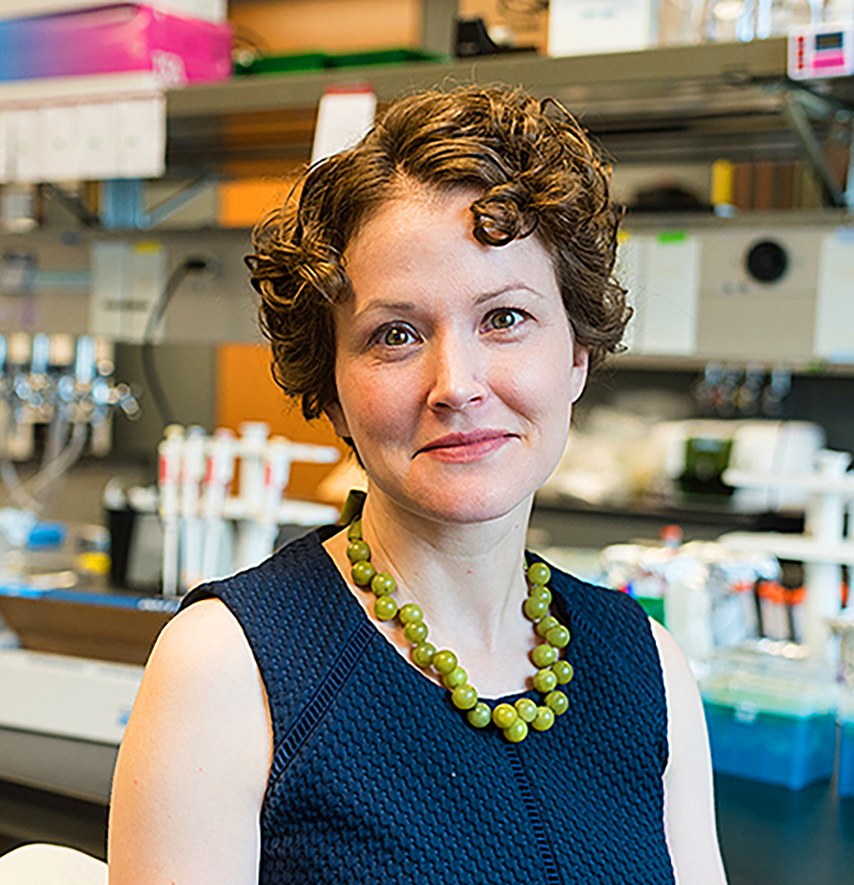
Membrane biophysics authority Jeanne Stachowiak to deliver Apex Lecture on Feb. 13
Stachowiak is recognized for a paradigm-shifting discovery in the field of membrane biophysics, demonstrating that proteins can induce membrane curvature solely through a surface-crowding mechanism. Her lab investigates the biophysical mechanisms that underlie the function of lipid membranes in cells and explores the opportunity of creating bio-inspired materials and systems that borrow these mechanisms. Read MoreFeb. 1, 2024
-
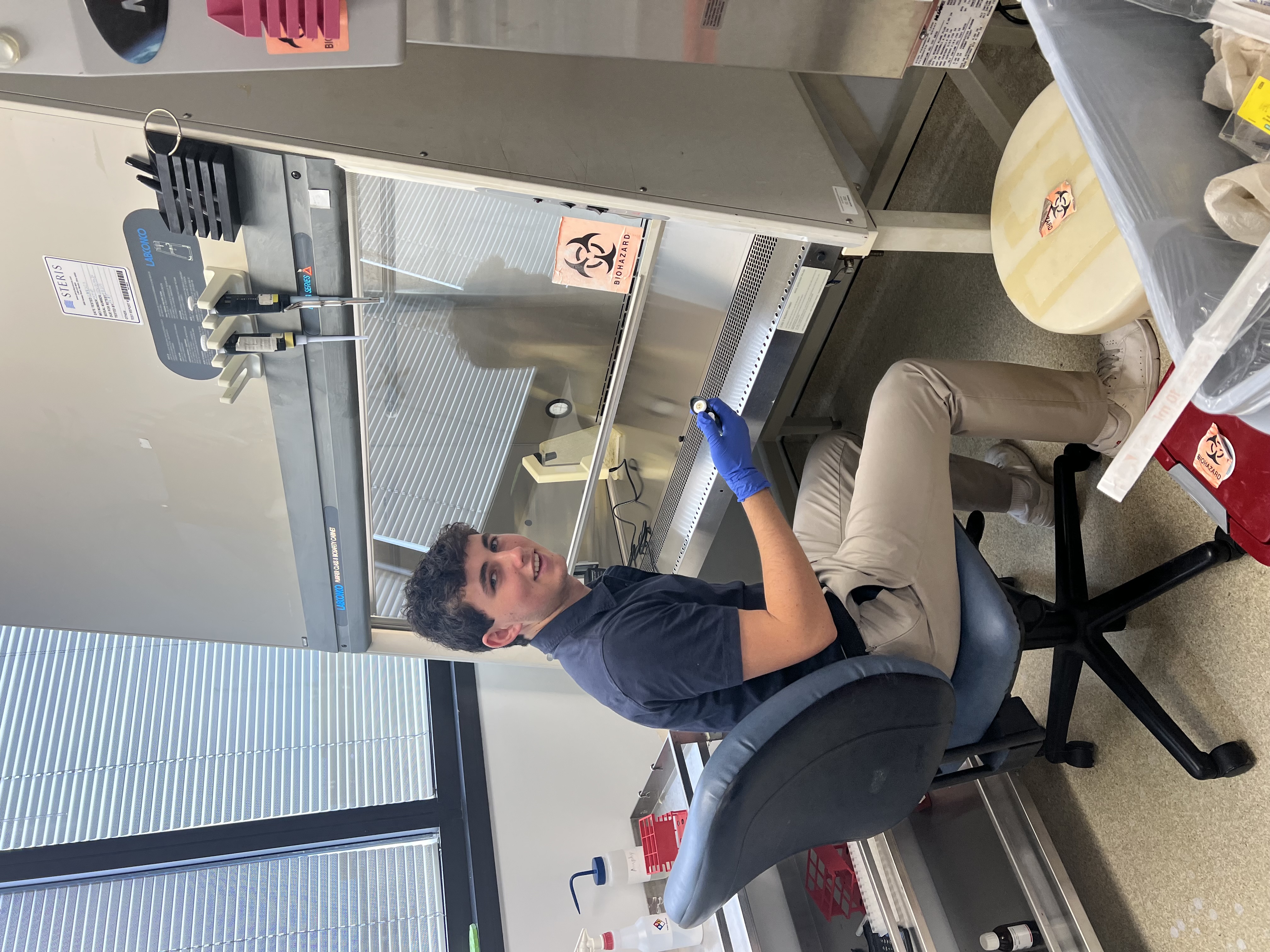
Marnett lab intern selected as top scholar in prestigious Regeneron competition
High school student Benjamin Gordon, former Marnett lab intern, has been named a top scholar in the Regeneron Science Talent Search 2024, the oldest science and math competition for high school seniors in the U.S. Read MoreJan. 25, 2024
-
Study uses new tools, machine learning to investigate major cause of blindness in older adults
An international collaboration led by Vanderbilt researchers has identified a key component in lesions associated with age-related macular degeneration (AMD), a leading cause of blindness in older adults. Read MoreDec. 20, 2023
-
Study links gene network and pancreatic beta cell defects to Type 2 diabetes
In a collaborative effort co-led by teams from Vanderbilt University Medical Center (VUMC) and the University of Michigan, a comprehensive study that integrates multiple analytic approaches has linked a regulatory gene network and functional defects in insulin-producing pancreatic beta cells to Type 2 diabetes. The study, published Dec. 4 in… Read MoreDec. 7, 2023
-

Potential schizophrenia treatment, discovered at Vanderbilt and being developed by Neumora Therapeutics, entering Phase 1 clinical trial
A potential schizophrenia treatment discovered through the Warren Center for Neuroscience Drug Discovery has been cleared by the U.S. Food and Drug Administration for use in phase 1 clinical trials—the third WCNDD therapeutic to reach that benchmark. “Vanderbilt is proud that a discovery by our researchers at the Warren Center… Read MoreDec. 4, 2023
-
Researchers discover key step to kidney fibrosis
Researchers at Vanderbilt University Medical Center for the first time have shown that activation of the epidermal growth factor receptor (EGFR) is essential for the development of kidney fibrosis, tissue scarring following injury that can lead to kidney failure. Their discovery, reported Nov. 14 in the journal Nature Communications,… Read MoreNov. 22, 2023