Biochemistry Department
-
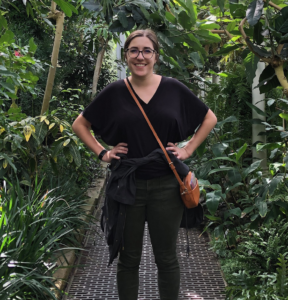
Kate Clowes Moster wins the 2026 Dr. Anne Karpay Award in Structural Biology
Kate is a graduate student in the Biochemistry Graduate Program and a member of the Sanders lab since 2020. Her research focuses on the potassium channel KCNQ1 and mutations that cause a cardiac disorder called type 1 long QT syndrome (LQT1). Sanders lab researchers have determined that mistrafficking is a common cause of KCNQ1 dysfunction in LQT1. Kate’s effort to search for small molecules that might remedy this mistrafficking provides an early foundation for possible drug discovery efforts to treat LQT1 and related cardiac disorders. Read MoreNovember 17, 2025
-

Vanderbilt-Ingram Cancer Center names Tansey, Kojetin to leadership team
Vanderbilt-Ingram names William Tansey associate director for Shared Resources and Douglas Kojetin as co-leader of the Genome Maintenance Research Program. The Genome Maintenance Research Program is focused on understanding how DNA is damaged, repaired, packaged, expressed and replicated. Read MoreSeptember 20, 2025
-
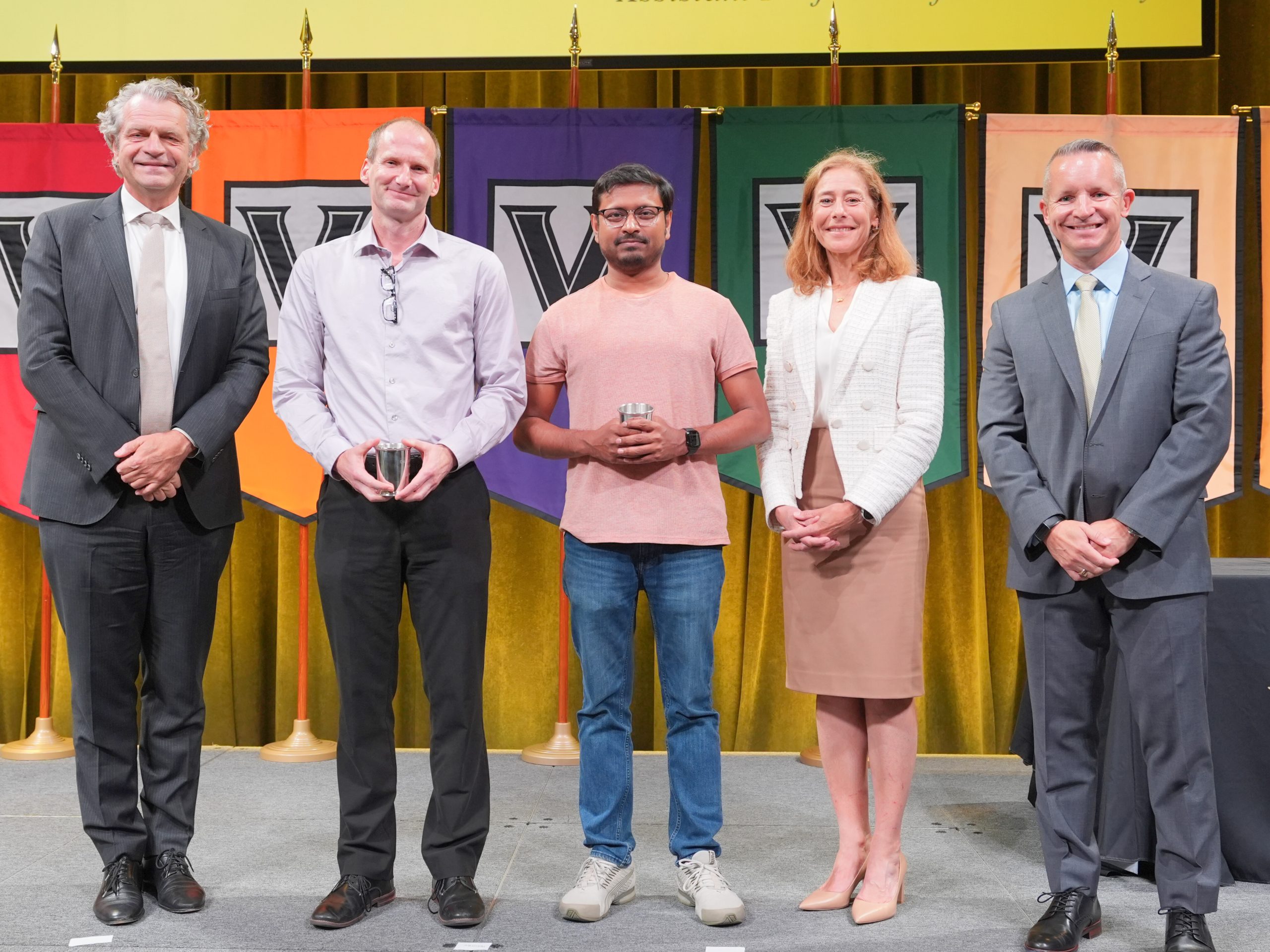
Cortez, Bhowmick win Chancellor’s Award for Research at 2025 Fall Faculty Assembly
David Cortez and Rahul Bhowmick won the Chancellor’s Award for Research for their work, “RAD51 Bypasses the CMG Helicase to Promote Replication Fork Reversal,” which was published in the journal Science. Read MoreSeptember 5, 2025
-

Venkatesh wins Academy for Excellence in Education Early Impact Award
Venkatesh is recognized for educational leadership in curriculum design, implementation and evaluation, as well as grant-funded initiatives and scholarly work including publications and presentations. Read MoreJune 4, 2025
-
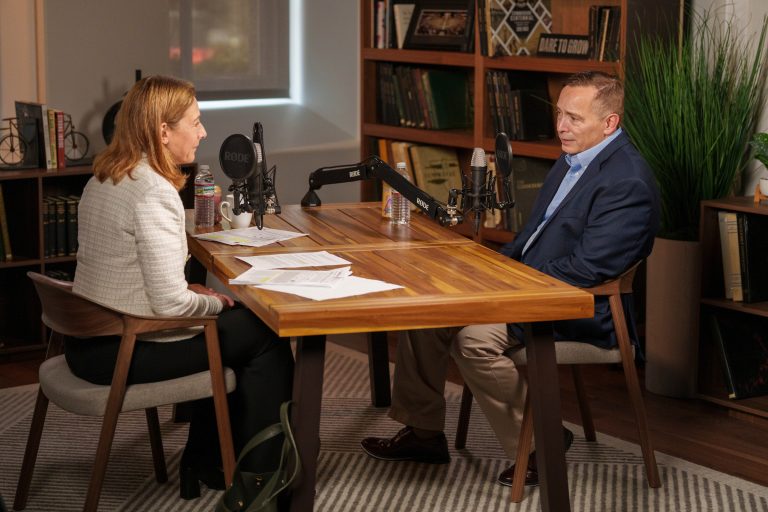
Craig Lindsley on Quantum Potential: Rewiring the Brain and Rethinking Pain
In this episode of Quantum Potential, Craig Lindsley, William K. Warren, Jr. Professor of Medicine, University Distinguished Professor of Biochemistry, Chemistry and Pharmacology and executive director of the Warren Center for Neuroscience Drug Discovery, joins Provost C. Cybele Raver to discuss transformative research exploring how subtle tweaks to brain chemistry could change the way we treat neurodegenerative diseases and chronic pain. Lindsley shares how academic-industry collaborations drive innovation in drug discovery and highlights how Vanderbilt’s scientific workflow is enabling the broader research community to build on its breakthroughs. Read MoreMay 29, 2025
-
School of Medicine Basic Science’s Monteggia and Tyska named fellows by the American Association for the Advancement of Science
Lisa M. Monteggia and Matthew J. Tyska are among the 471 scientists elected as 2024 fellows of the American Association for the Advancement of Science. Dean John Kuriyan was also recently elected a member of the 2025 class of fellows of the American Association for Cancer Research academy. Read MoreMarch 27, 2025
-
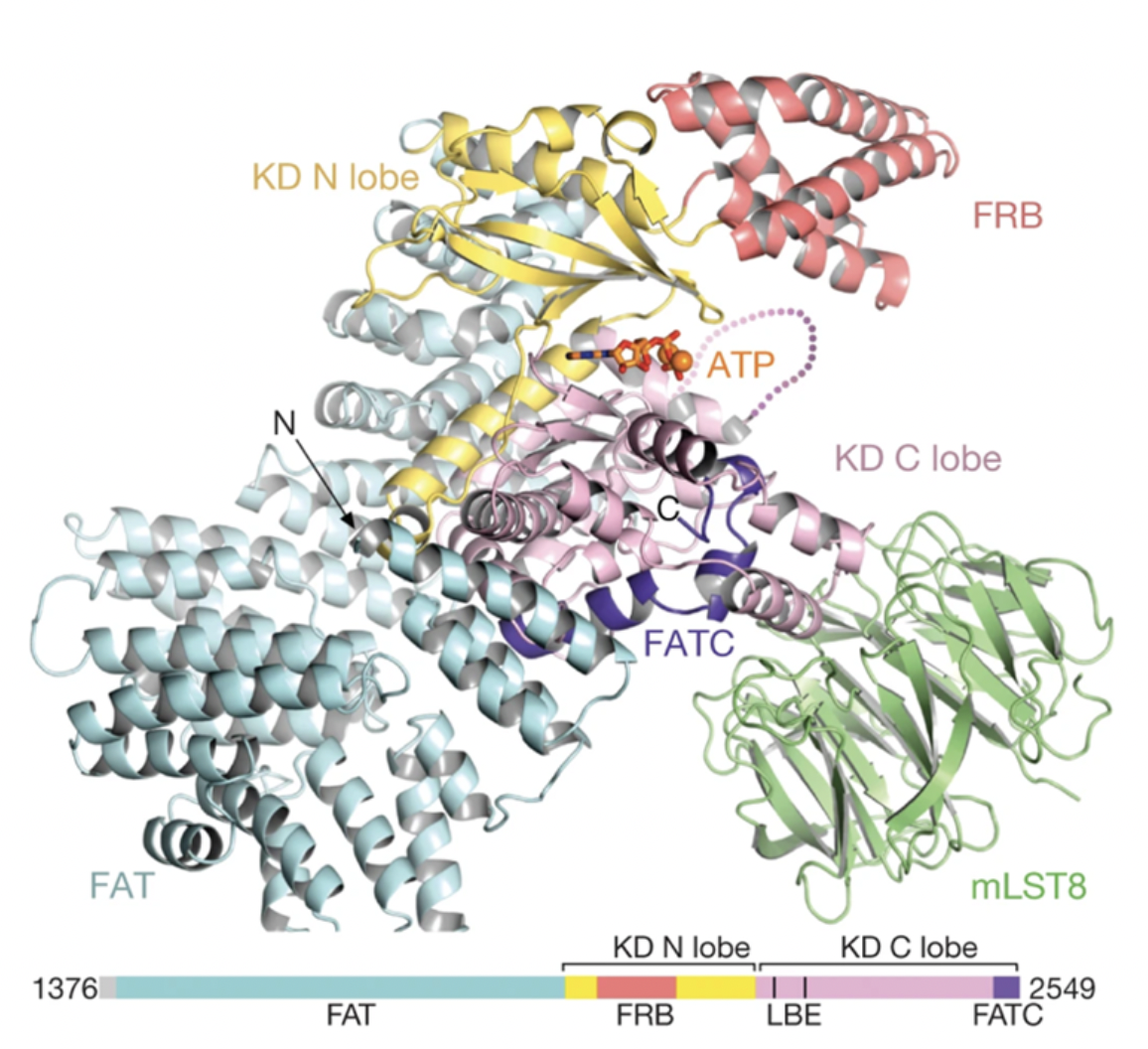
Investigations into inositol phosphates: the mTOR regulators you’ve never heard of!
Recent work from collaborators Ray Blind, Lucia Rameh, and John York has provided the first comprehensive analysis of inositol phosphate regulation of mTOR and mTORC1, increasing our kinetic understanding of mTOR kinase activity and providing a tool to modulate mTOR/mTORC1 in cells. Read MoreFebruary 3, 2025
-
Unmasking antagonists: a deep dive into the structural binding poses of PPARγ ligands
Doug Kojetin, associate professor of biochemistry, and a collaborator from the Guangzhou Laboratory, use NMR and crystallography to elucidate the binding pose of GW9662 and T0070907 cobound with synthetic ligands for the first time. Read MoreDecember 13, 2024
-
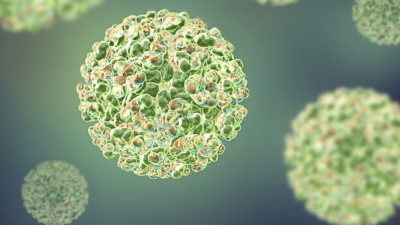
Vanderbilt awarded up to $46M through ARPA-H to develop tools against alphaviruses
Jens Meiler, Distinguished Research Professor of Chemistry and Kevin Schey, Stevenson Chair and professor of biochemistry, are two Vanderbilt collaborators on the project that brings together specialists in virology, structural biology and clinical research to tackle the complex challenge of vaccine development. Read MoreDecember 2, 2024
-
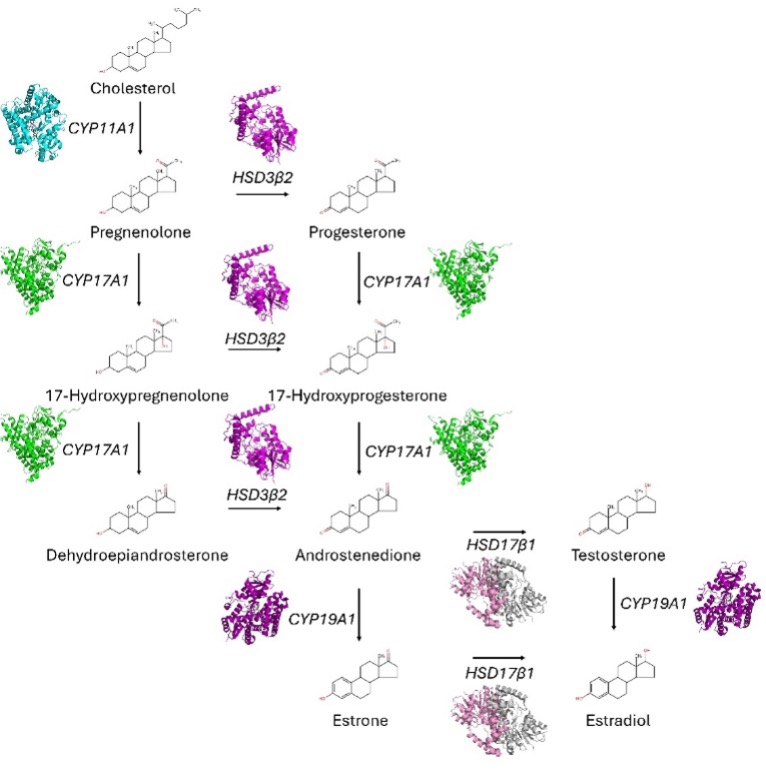
Looking in all directions: Exploring a new horizon for PCOS therapeutics
Polycystic ovarian syndrome is a complex endocrinological disorder with widespread prevalence, affecting approximately one in ten women worldwide. Treatment for PCOS typically involves extensive lifestyle modification and medications to help manage reproductive symptoms and insulin resistance, but there are no treatments that directly target hyperandrogenism. Because of this, women with PCOS often feel unsatisfied with the quality of their care and are belabored by the changes necessary to live out their daily lives. Read MoreNovember 18, 2024