Discoveries
-

Ten-year anniversary: People who shaped the School of Medicine Basic Sciences
Celebrate the 10-year anniversary of the School of Medicine Basic Sciences by honoring 10 individuals and community groups who helped shape the structure and culture of our school. Read MoreMay 10, 2026
-

Ten-year anniversary: Ten decisions that characterize the School of Medicine Basic Sciences
Celebrate the 10-year anniversary of the School of Medicine Basic Sciences by revisiting ten defining moments from our short history. Read MoreMay 3, 2026
-

Getting more bang for your buck
Ever wonder what about the ROI on biomedical research looks like? At the Vanderbilt University School of Medicine Basic Sciences, scientists are delivering answers—by driving discoveries that are already improving human health and paving the way for tomorrow’s treatments. This 2025–26 roundup highlights some of the year’s most exciting advances, showing the extraordinary value of sustained support for biomedical science. Read MoreApril 14, 2026
-

Discovery of mosquito survival tactics leaves room for new disease vector control tactics
The appendages that protrude from a mosquito’s head hold the sensory systems that account for nearly all of its ability to detect and respond to a wide range of chemical signals that are critical for its reproduction and its survival. At the molecular level, these systems rely on genes that… Read MoreJune 1, 2022
-

A potential new approach for the treatment of schizophrenia
THE IDEA Jeffrey Conn (John Russell/Vanderbilt University) James Maksymetz A new study led by Jeff Conn, Lee E. Limbird Chair in Pharmacology, James Maksymetz, a former graduate student in the Conn laboratory, and other collaborators at the Warren Center for… Read MoreDecember 8, 2021
-

Discovery of a pathway that regulates heart muscle regeneration
Research led by Dylan Burnette, associate professor of cell and developmental biology, and first-author Abigail Neininger, a graduate student in the Burnette lab, identified the Hippo pathway as a key regulator of heart muscle cell division, which has large translational implications for treatments after a heart attack. Their article was… Read MoreSeptember 9, 2021
-
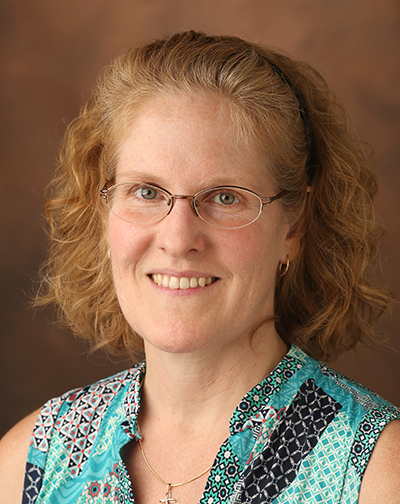
Researchers create molecular ‘atlas’ of GI tract neurons
Oct. 8, 2020, 10:28 AM Michelle Southard-Smith, PhD, Aaron May-Zhang, PhD, and colleagues have created a molecular ‘atlas’ of genes expressed by the neuronal cells within the intestine that coordinate the functions of the gastrointestinal (GI) tract. (photo by Susan Urmy) by Bill Snyder Researchers at Vanderbilt University Medical Center… Read MoreOctober 9, 2020
-
NSF seed grant supports biomanufacturing of new drug delivery technologies
Vanderbilt researchers awarded one of NSF’s 24 new projects to drive future manufacturing One of the challenges of drug delivery systems is to optimize their targeting properties so therapeutic compounds used in smaller amounts reach only a specific area of the body and result in little or no side effects. Read MoreOctober 8, 2020
-
Vanderbilt researchers develop publicly available COVID-19 animal susceptibility prediction tool
by Marissa Shapiro Oct. 6, 2020, 9:00 AM A Vanderbilt team of experts in virology, genetics, structural biology, chemistry, physiology, medicine, immunology and pharmacology have together developed technology to understand and predict animal susceptibility to SARS-CoV-2, the scientific name for the strain of coronavirus… Read MoreOctober 8, 2020
-
Clue to diabetic kidney disease
Oct. 5, 2020, 8:00 AM by Sarah Glass Diabetic patients can develop kidney disease since high levels of glucose damage blood vessels, prompting accumulation of scarred tissue with reduced kidney function. Recent studies have suggested that progressive interstitial fibrosis in the renal proximal tubule is an important mediator in the… Read MoreOctober 8, 2020