Stephen Doster
-
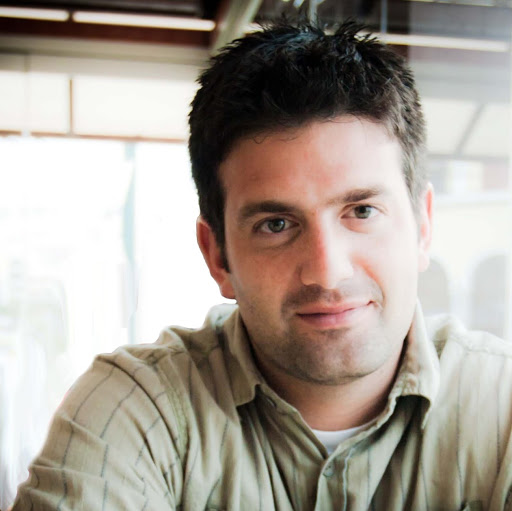
Molecular imaging of C. diff infection
Disruption of the gut microbiota, for example by antibiotics, allows the bacterium Clostridioides difficile (C. diff) to colonize and cause disease. C. diff is the leading cause of hospital-associated intestinal infections in the U.S., but the mechanisms of colonization are unclear. Eric Skaar, PhD,… Read MoreSep. 30, 2021
-

Jeffrey Conn, founding director of Warren Center for Neuroscience Drug Discovery, named 2021 fellow of American Society for Pharmacology and Experimental Therapeutics
Jeffrey Conn, Lee E. Limbird Chair and professor of pharmacology, is among 16 scientists named 2021 fellows of the American Society for Pharmacology and Experimental Therapeutics. Selection as a fellow of ASPET is an honor bestowed on members who have demonstrated excellence… Read MoreSep. 27, 2021
-
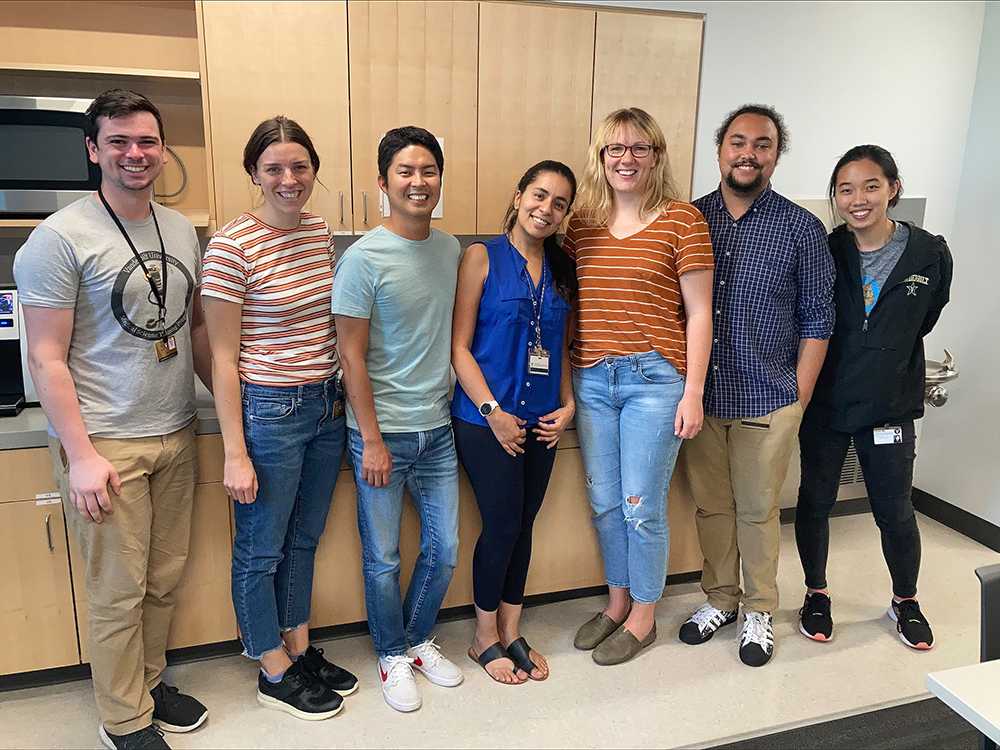
In memory of Zach Jones
By Mariana Byndloss If I could define Zach in one word, it would be LIGHT. Zach brought LIGHT to the world around him with his kindness, open mind and his way of accepting others and always seeing the good in people. And the funniest thing about it is that… Read MoreSep. 24, 2021
-

The role of polarity in early cancer
Sep. 21, 2021, 8:00 AM by Shivani Sharma Loss of polarity, the orientation of apical and basolateral surfaces of the epithelial cells that line most internal organs and body cavities, usually occurs early in cancer and is considered a consequence of malignant… Read MoreSep. 24, 2021
-
Vanderbilt 14th among nation’s top universities in latest ‘U.S. News’ rankings
Vanderbilt is ranked 14th among national universities for a second consecutive year in U.S. News & World Report’s 2022 Best Colleges rankings. The university also was recognized as a best value and for the quality of its undergraduate teaching. Vanderbilt ranked eighth on the publication’s list of Best Value Schools,… Read MoreSep. 24, 2021
-

Cynthia Reinhart-King named Biomedical Engineering Society president-elect
Two outstanding women scholars in the same Vanderbilt engineering department have been elected presidents of prestigious national academic societies. Anita Mahadevan-Jansen is president-elect of SPIE, the international society for optics and photonics that serves 257,000 constituents from 173 countries. Cynthia Reinhart-King is president-elect of the Biomedical Engineering Society,… Read MoreSep. 22, 2021
-
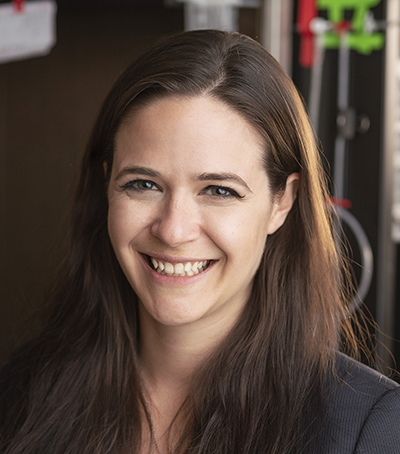
True behavior of the ‘pleasure molecule’ will reshape how we treat psychiatric diseases and addiction
By Aaron Conley “This work clearly demonstrates a much more sophisticated role for this neurotransmitter than was previously appreciated, and it means we need to rethink models of addiction that depend on the dopamine/drug reward mentality.” THE IDEA Pioneering research shows that dopamine levels increase in response to stressful stimuli,… Read MoreSep. 20, 2021
-
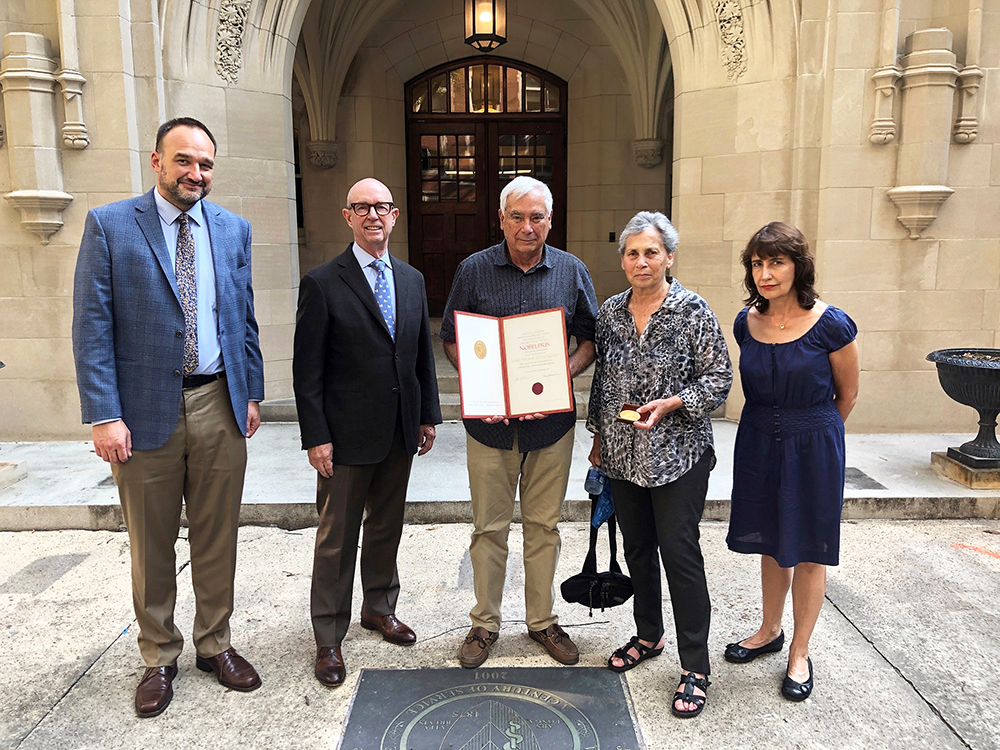
Donation of Awards and Scrapbooks Will Lead to New Understanding of the Life and Work of Nobel Laureate Dr. Earl Sutherland
In late August of this year, Dr. Bill Sutherland visited the Vanderbilt University School of Medicine Basic Sciences dean, Larry Marnett, and Dr. Nancy Carrasco, professor and chair of the Department of Molecular Physiology and Biophysics, to donate materials from the life of his father, Nobel laureate Dr. Earl Sutherland. Read MoreSep. 19, 2021
-
Discovery of a pathway that regulates heart muscle regeneration
Research led by Dylan Burnette, associate professor of cell and developmental biology, and first-author Abigail Neininger, a graduate student in the Burnette lab, identified the Hippo pathway as a key regulator of heart muscle cell division, which has large translational implications for treatments after a heart attack. Their article was… Read MoreSep. 18, 2021
-

Unveiling the life cycle of a microvillus
By Colbie Chinowsky The surface of the intestinal tract is the sole site of nutrient absorption—a life-sustaining process—and disturbances to this tissue have the potential for deadly consequences. The small intestine has evolved a variety of structures that maximize the surface area available for nutrient uptake, including microvilli, fingerlike projections… Read MoreSep. 18, 2021