Pharmacology
-

Prashant Donthamsetti wins prestigious NIH pioneer award to advance addiction research
Prashant Donthamsetti has received a prestigious NIH Director’s Pioneer Award from the National Institute on Drug Abuse. His project will use a new platform called Tag-Guided Drug to uncover how specific dopamine signaling proteins contribute to addiction. This work paves the way for more precise and effective addiction therapies. Read MoreSep. 25, 2025
-

Hayes, Nagarajan, and Costanzo win 2025 Cell Imaging Shared Resource Life Is Beautiful Image Contest
James Hayes, Rekha Nagarajan, and James Costanzo are the winners of the 2025 Cell Imaging Shared Resource Life Is Beautiful image contest. CISR provides researchers with access to state-of-the-art imaging equipment and expert technical support for sophisticated microscopy and analysis of tissue and cellular anatomy and physiology. Read MoreAug. 7, 2025
-

Vanderbilt basic science alum Q&A: Richard Gustin
Richard Gustin, PhD’10, sat down with us to discuss his experience studying basic science and pharmacology at Vanderbilt and how it played a role in his career. Gustin is now a senior director of innovation and strategic initiatives at Neurelis, Inc. Read MoreAug. 5, 2025
-

Celebrating appointments and promotions in the School of Medicine Basic Sciences: April–June 2025
Congratulations to our School of Medicine Basic Sciences members who were promoted or received new appointments between April and June 2025. These individuals significantly enrich our pursuit of pathbreaking research and contribute to the growth and success of our school. Read MoreJul. 16, 2025
-

Quynh Anh Nguyen awarded prestigious Klingenstein Fellowship to study mechanisms of epilepsy
Quynh Anh Nguyen has been awarded the highly competitive Klingenstein Fellowship in Neuroscience, a national honor that recognizes promising early-career investigators pursuing high-risk, high-reward research in the neurosciences. The fellowship will support Nguyen’s pioneering investigations into the brain’s inhibitory circuitry and its role in the development and control of epilepsy. Read MoreJul. 1, 2025
-
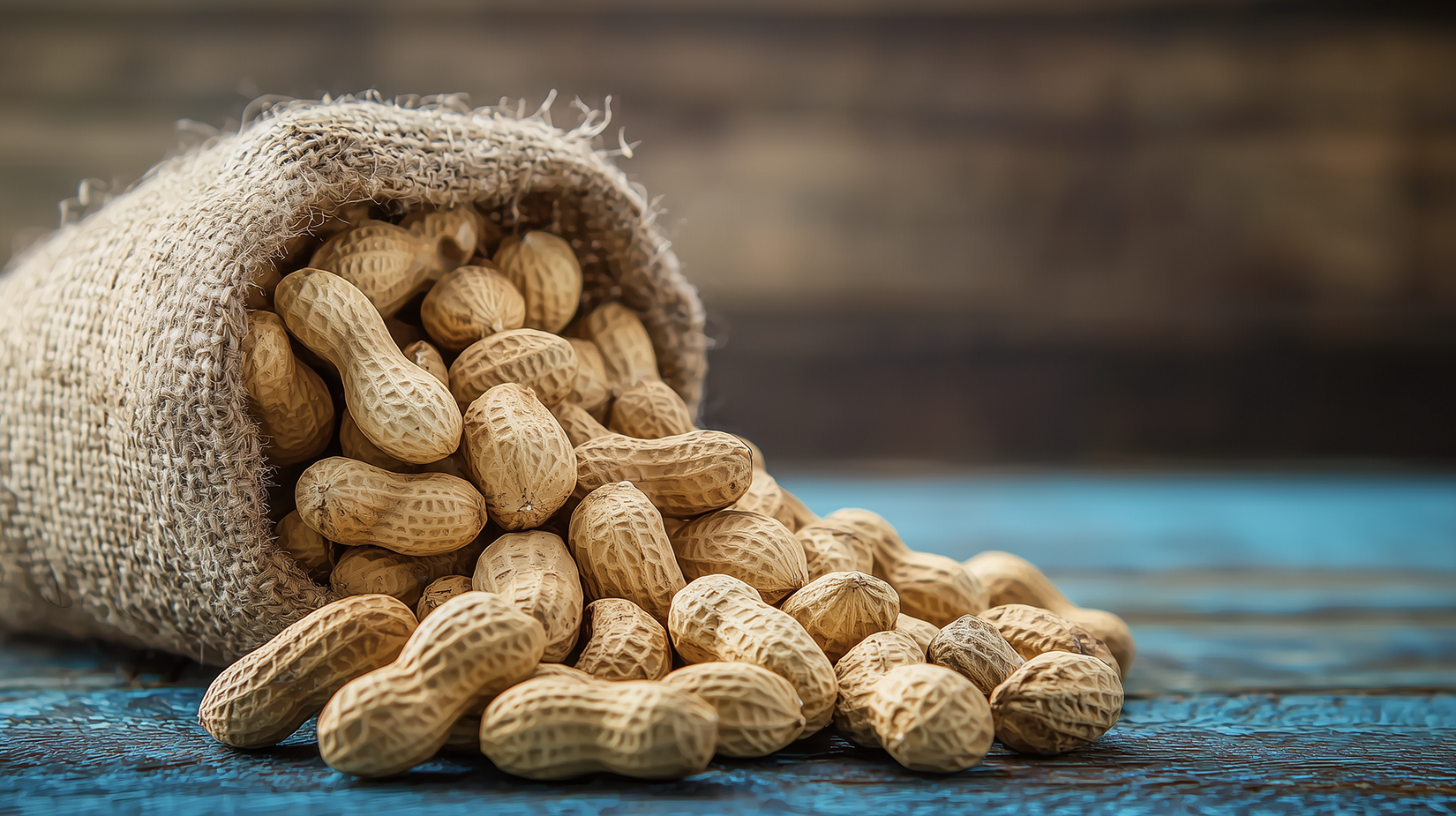
Vanderbilt biomedical research paves the way for ‘hypoallergen’ treatments against peanut allergies
By Lorena Infante Lara Food-related allergies and their effects are insidiously common in the United States: over seven percent of children and over 10 percent of adults are affected. Although a quarter of people with food allergies have an epinephrine pen, they are expensive and have to be replaced… Read MoreJun. 18, 2025
-

Unlocking the secrets of spinal cord regeneration
A recent review from the pharmacology lab of Valentina Cigliola explores the remarkable regenerative capabilities of zebrafish and neonatal mice and how insights into these mechanisms could pave the way for innovative and regenerative therapies in humans suffering from spinal cord injuries or neurodegenerative diseases. Read MoreJun. 18, 2025
-

New Warren Center TREK channel compounds reveal power of academic-industry partnerships in drug discovery
What makes these results exceptional isn’t just the compounds themselves, it’s what they represent: the value of translational research grounded in real-world therapeutic goals. The partners chose to release these best-in-class tool compounds to the scientific community to accelerate further discovery. Read MoreJun. 16, 2025
-

New ketamine study promises extended relief for depression
Major depression is one of the most common mental disorders in the U.S. Approximately 7% (17.3 million) of American adults had at least one major depressive episode in 2017. Roughly 10 percent of the U.S. population is afflicted with major depressive disorder at any… Read MoreJun. 13, 2025
-

New research offers promise for treatment-resistant cystic fibrosis patients
Driven by personal loss, a graduate student and his mentors unveil the mysteries of CFTR mutations, seeking to unlock new treatments for cystic fibrosis patients who currently resist available drugs. Read MoreJun. 9, 2025