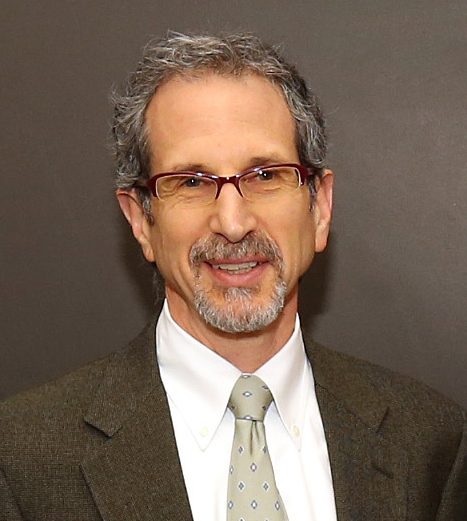
Walter J. Chazin, Ph.D.
Chancellor's Chair in Medicine
Senior Associate Dean, Biomedical Research Education & Training (BRET)
Professor of Biochemistry & Chemistry
Director, Molecular Biophysics Training Program
- : walter.j.chazin@vanderbilt.edu
- : 615-936-2210
- :
5140 BioSci MRB III
465 21st Avenue South
Nashville, - 37232
Structural cell biology
Name: Chazin, Walter J.
Title: Professor of Biochemistry, Chancellor’s Chair in Medicine
Department: Biochemistry
Office Address: 5140 BIOSCI/MRBIII
Phone Number: 615-936-2210
E-mail: walter.j.chazin@vanderbilt.edu
Lab URL: http://structbio.vanderbilt.edu/chazin
Research Keywords: DNA replication, DNA recombination, DNA repair, cancer, signal transduction, ubiquitination, structural biology, cell biology, protein structure, proteomics, NMR, biochemistry
Research Specialty: Structural Cell Biology- DNA replication, recombination and repair, ubiquitination, calcium signal transduction
Research Description:
1. DNA REPLICATION, RECOMBINATION AND REPAIR. Our program in structural cell biology includes research to understand the mechanisms of action of multi-protein assemblies that process DNA. Current efforts are focused on establishing and understanding the various functional roles of replication protein A (RPA), a heterotrimeric protein of 70, 32 and 14 kDa subunits. RPA is the major single-strand DNA binding protein in the cell and has been shown to form an integral part of most DNA processing assemblies. Our studies involve proteomic mapping of interactions with other DNA processing proteins and 3D structure determination of protein and protein-DNA complexes. These studies are providing novel insights into the structural basis for mutational defects leading to cancer and the essential foundation for the development of anticancer therapies.
2. PROTEIN UBIQUITINATION. Signalling via protein ubiquitination plays an essential role in an increasing number of cellular processes. A series of ligases catalyze the activation and subsequent covalent attachment of ubiquitin to substrate proteins. The E3 class of ubiquitin ligases typically involves the coordinated activity of a group of proteins that form a multi-protein complex of substrate and E2 ligase recognition elements, scaffolds, and molecular bridges. Our reseach involves the study of a newly discovered ubiquitin ligase activity associated with the RNA spliceosome and of a novel calcium-regulated ubiquitination process that is required for proper embryogenesis and development. Our studies involve proteomic strategies to determine which members of the complex interact with eachother and 3D structure determination of the corresponding protein complexes. These results are revealing information about how protein ubiquitination functions as a signaling mechanism and how defects in E3 ligase proteins lead to malfunction in fundamental cellular processes.
3. CALCIUM SIGNAL TRANSDUCTION. Calcium and calcium-binding proteins (CaBPs) play a central role in intracellular signal transduction pathways and are associated with a wide-range of effects on health and disease. Our research is directed towards understanding the molecular basis for the cellular activities of CaBPs, particularly the transduction of calcium signals to cellular targets. The primary experimental approach involves the determination of 3D structures of specific CaBPs in the presence and absence of calcium and cellular targets, using NMR, X-ray crystallography and computational methods. These are complemented by protein engineering and small molecule design. Ultimately, we seek the ability to control binding properties and interactions with target proteins, thereby enabling the design of specific biological activities and therapeutic strategies relevant to CaBP-mediated disease.
Postdoctoral Position Availability and Details: One is for accomplished structural biologist to work on the assembly and function of multi-protein E3 ubiquitin ligases. A second position is for US citizen or green card holder for work on DNA replication and repair proteins. Please apply by e-mail to walter.chazin@vanderbilt.edu sending CV and names of three references.